
Liverpool's tourist map has a magnetic north, and it pulls almost everyone toward the same four faces. Spend a weekend resisting it and you find a different city entirely: two cathedrals staring each other down across a Georgian street, a converted brewery quarter that has quietly become the best night out in the city, and a Nigerian food scene that most guidebooks never mention at all. This is that weekend.
Hope Street: Two Cathedrals and the Pub Between Them
Start at either end — it doesn't matter which, because the point is the walk between them. Liverpool Cathedral, in the Georgian Quarter at the southern end of Hope Street, is the largest cathedral in Britain and one of the largest in the world, a sandstone cliff of a building that took the best part of the twentieth century to finish. It costs nothing to walk in, no booking required, and the scale does the work — you don't need a guide to feel small under that vault. If you want to go up, the tower experience runs about £5.50 per person; groups should email ahead for tower slots or a guided visit, since it isn't a walk-up ticket during busy periods.
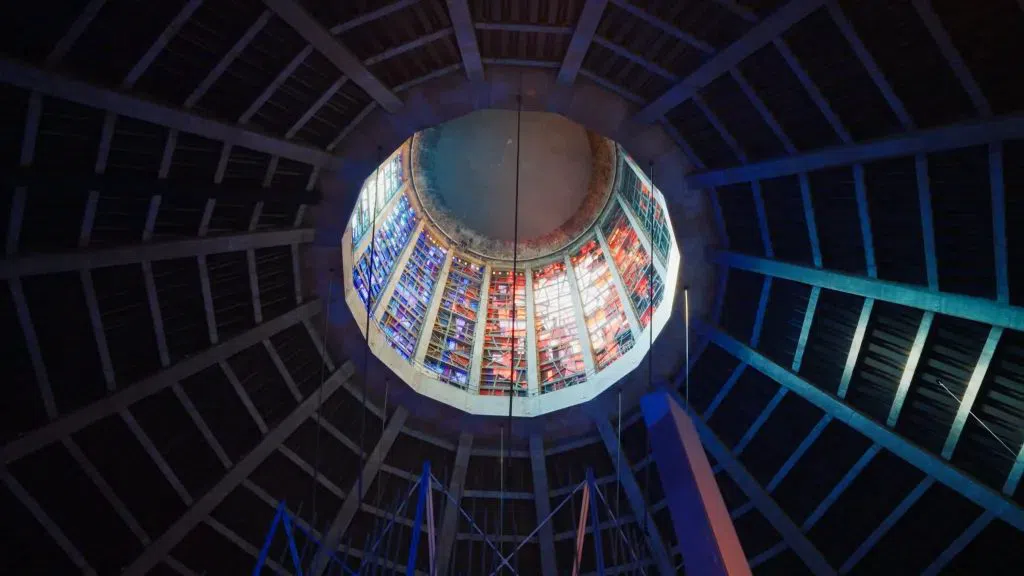
Walk the full length of Hope Street — fifteen, twenty minutes at a wander — and you arrive at Liverpool Metropolitan Cathedral, the Catholic cathedral known locally as "Paddy's Wigwam" for its cone-shaped roof and stained-glass lantern. Where the Anglican cathedral argues its case with mass and stone, the Metropolitan Cathedral argues it with light — a circular nave under a crown of blue and gold glass that changes with the weather outside. It's free, open daily from 7:30am to 6pm, and if you're bringing a group or a coach, email [email protected] ahead of time to arrange parking and a visit; donations are welcome but nothing is required at the door.
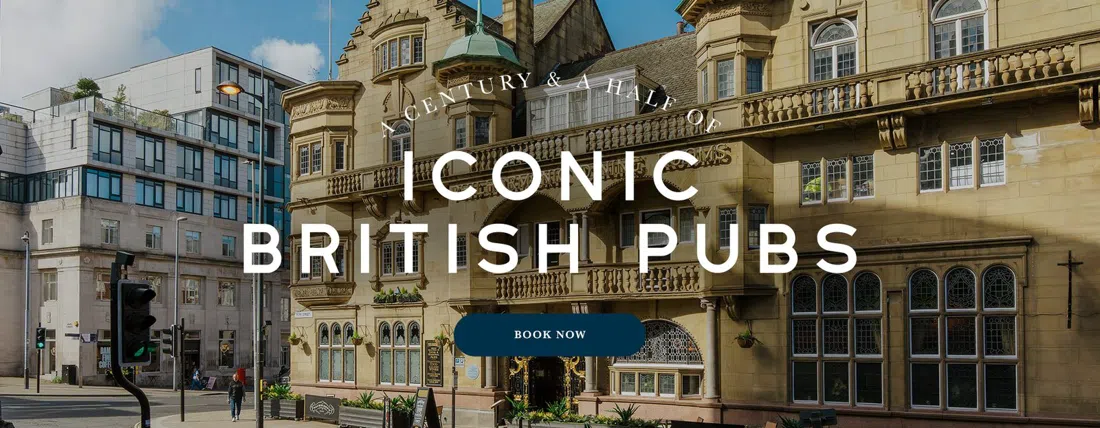
Halfway between the two, and impossible to walk past without stopping, is The Philharmonic Dining Rooms. This is a proper pub — ornate Victorian tilework, a genuinely famous set of marble urinals that even non-drinkers get invited in to look at — and it reopened in September 2025 after a £500,000 heritage refurbishment, so what you're walking into now is freshly restored rather than the slightly tired room some older write-ups describe. It's walk-in only, no booking, and groups are entirely welcome; food and drink run £5–£15. Do the cathedral-to-cathedral walk with a stop here in the middle and you've done Hope Street properly, in an afternoon, without a single Beatles reference.
The Georgian Quarter That Time Skipped
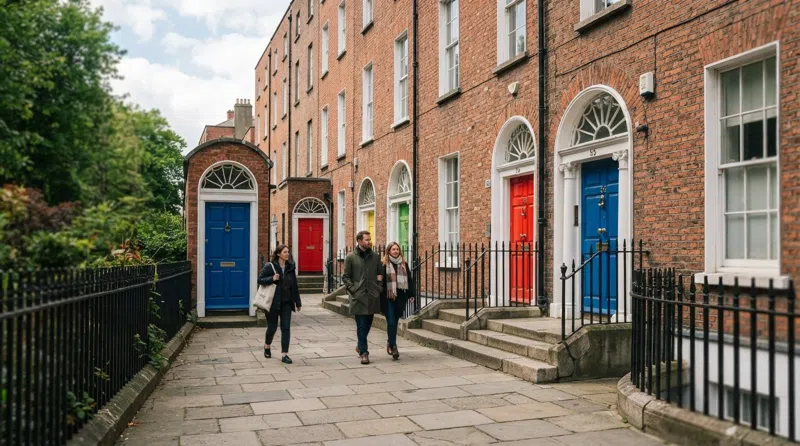
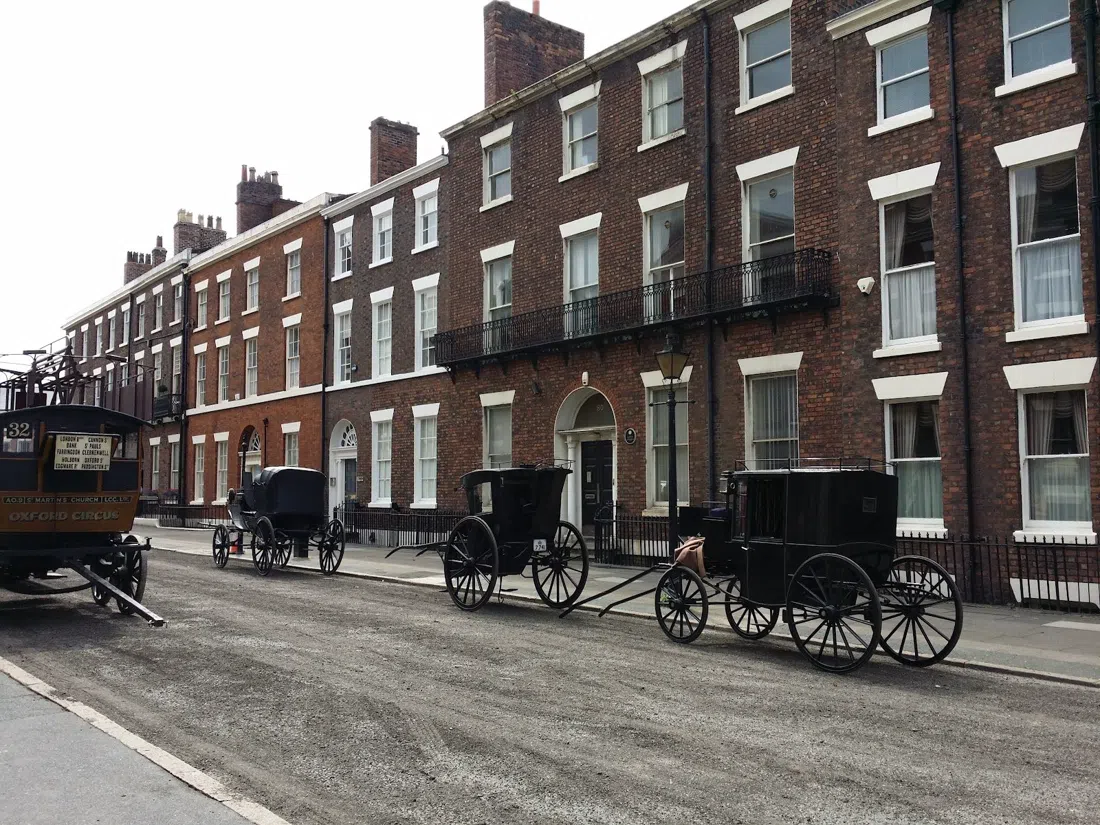
One street back from Hope Street runs Rodney Street & the Georgian Quarter, a spine of listed Georgian townhouses that most visitors photograph from a passing bus and never actually walk. It's a public street, free to wander at any hour, and it's easy with a group — there's no door, no ticket, no reason not to simply turn off the main drag and slow down. The doorways alone are worth the detour: fanlights, brass, the occasional blue plaque for a doctor or writer who once lived behind one of these black-brick façades.
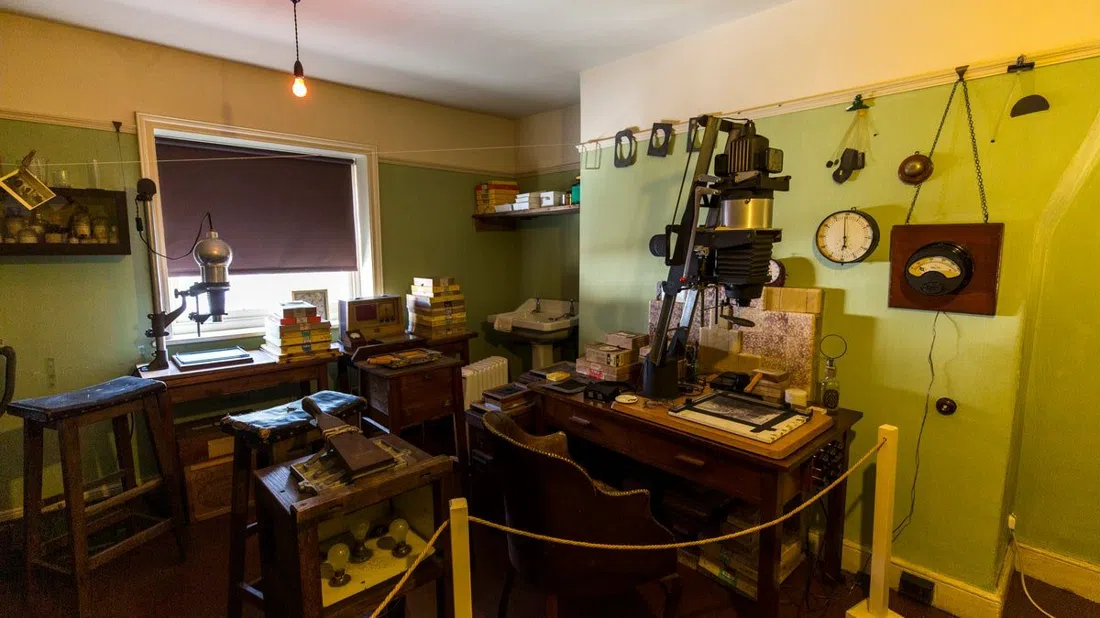
Don't just walk past it, though — anchor the visit with The Hardmans' House, a National Trust property that was once the home and studio of society photographers Edward and Margaret Chambré Hardman. It's the best single interior in the quarter, kept largely as the Hardmans left it, but it's pre-booked guided tours only, in small groups, so you can't simply knock and hope. It runs a seasonal schedule — March to October, Wednesday to Saturday — so check dates before you build a day around it. Entry is around £6.50 for adults, free for National Trust members.
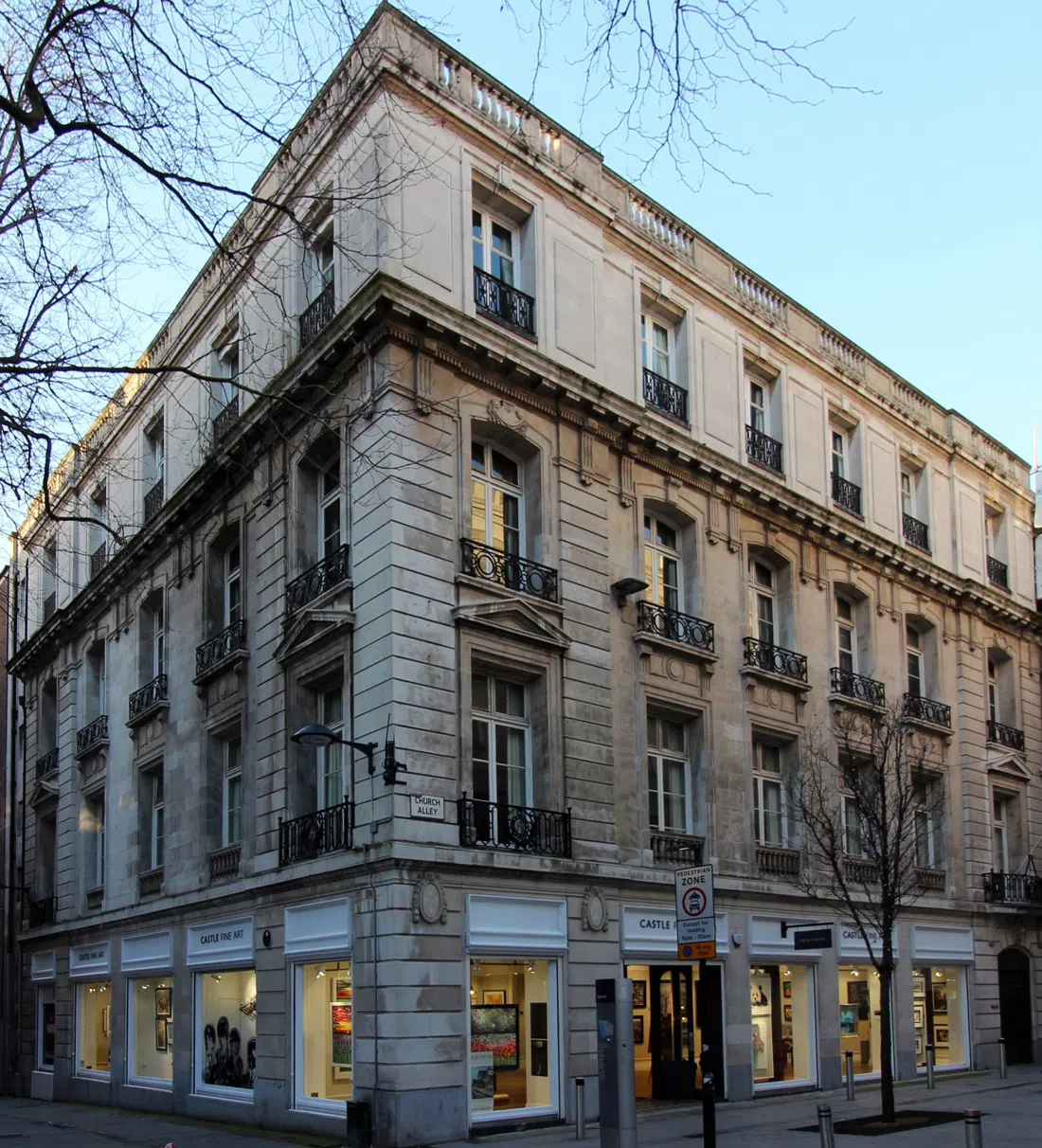
For the genuinely curious, there's a stranger stop still: The Athenaeum, a private members' library founded in the Georgian period and still functioning as one — you cannot simply walk in. The only way in as a visitor is on one of the occasional guided tours run by the Merseyside Civic Society, which are free when they happen but need watching for on the Society's own listings; there's no walk-up access and no substitute for checking ahead. Include it if you're the kind of traveller who wants the contrarian footnote to the contrarian guide, but be honest with yourself about the odds of catching a tour date that lines up with your weekend.
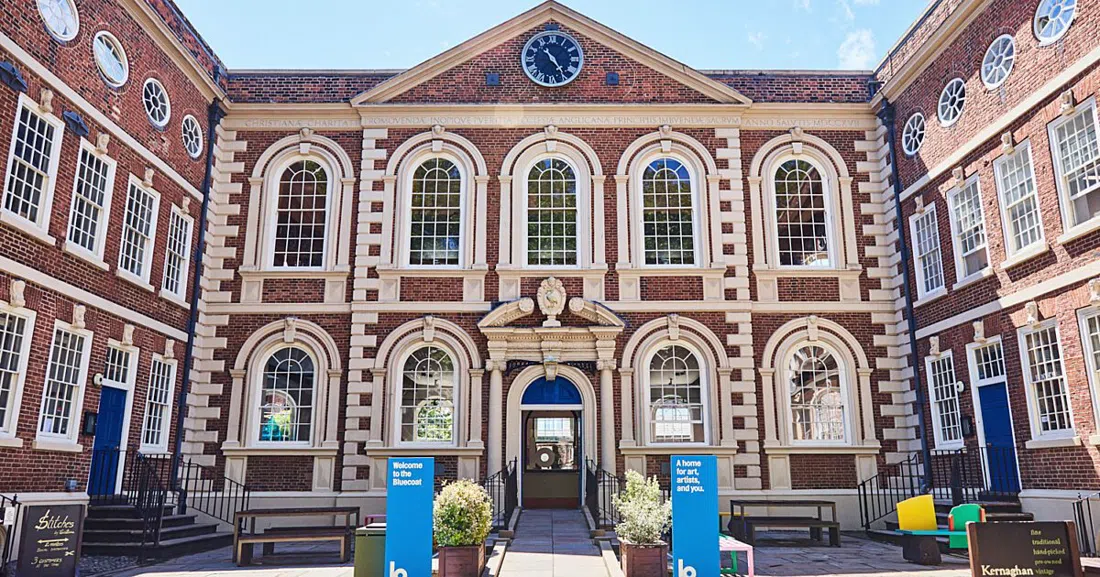
While you're in this end of the city, The Bluecoat is worth folding in — it's the UK's first arts centre, a handsome Queen Anne building around a leafy courtyard, and it bridges the Georgian half of this weekend with the contemporary-arts half neatly. The gallery is free, welcomes groups without fuss, and runs print workshops and family activities alongside its exhibition programme — prices for those vary by session, so check what's on before you turn up expecting a drop-in class.
Baltic Triangle: Where the City Actually Parties Now
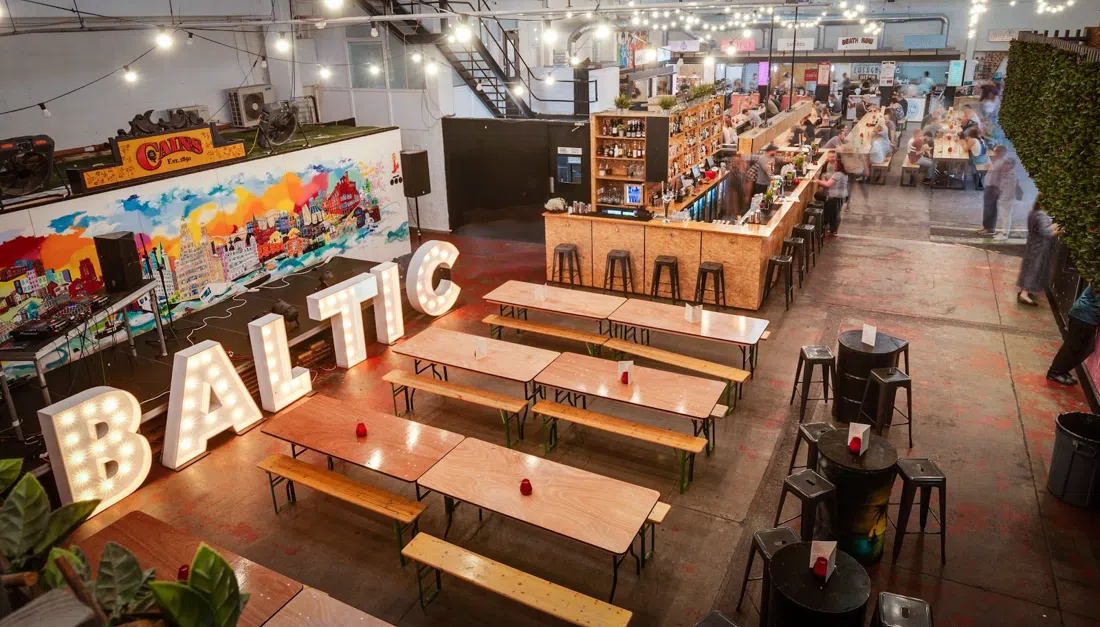
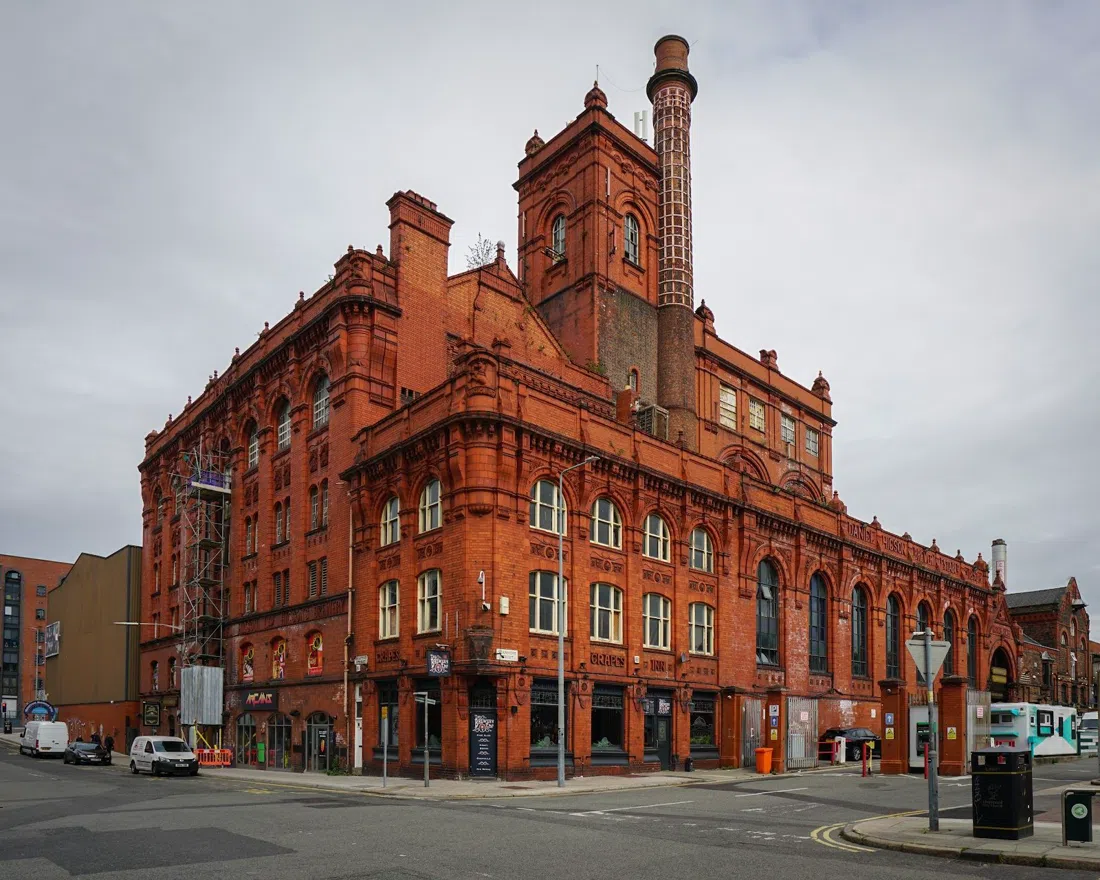
Cross south from the cathedrals and the terraces give way to old warehouses and brick courtyards — the Baltic Triangle, and it is, unambiguously, where Liverpool's nightlife energy has moved. Start hungry at Baltic Market, the city's first proper street food hall, a converted warehouse with a rotating cast of vendors under one roof. It's walk-ins welcome with no time limit at the tables, a handful of which can be booked ahead if you want a guaranteed spot for a group, and dishes run £8–£15 — cheap enough to try three stalls in a night without the bill turning into an argument.
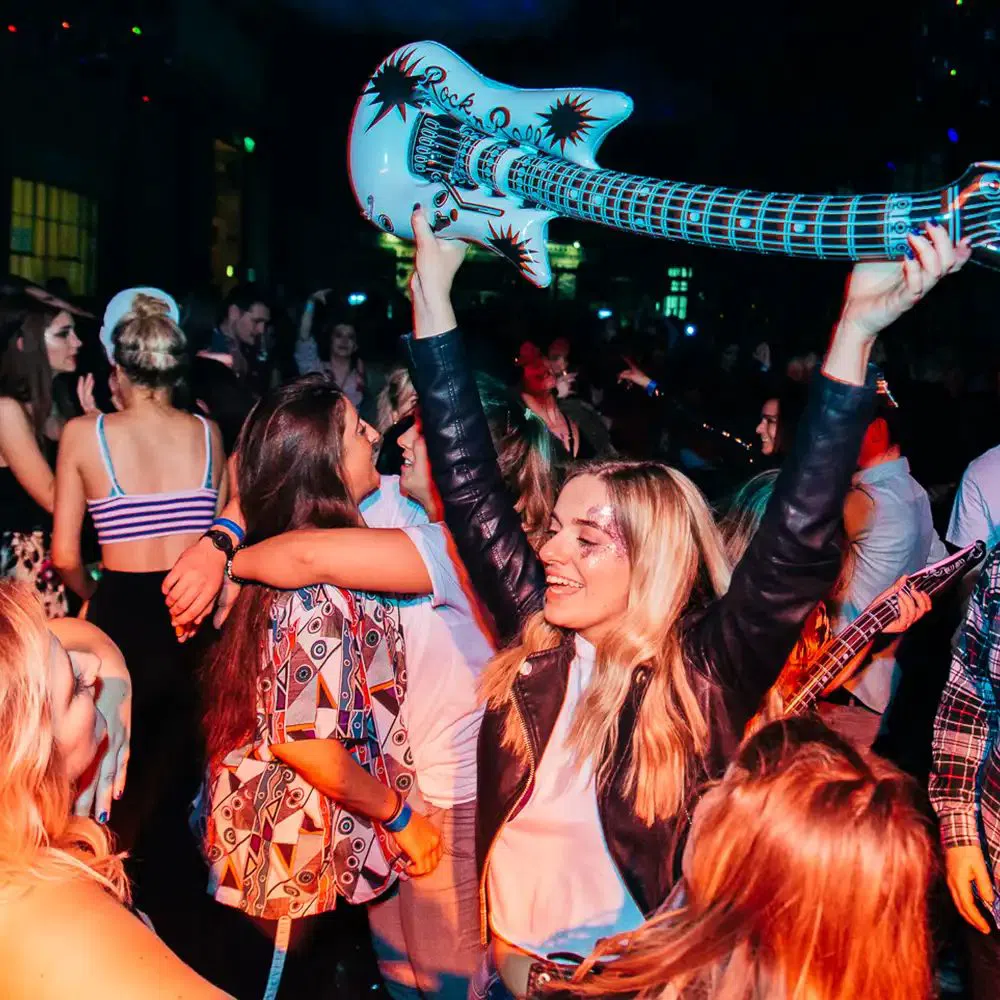
For music, the neighbourhood has two real anchors and it's worth knowing both rather than defaulting to whichever one you've heard of. Camp and Furnace is the longer-running of the two, a genuine industrial space that still hosts big group events, markets, and gigs through 2026 — entry pricing varies by event, and some nights are free in. District is the alternative worth naming alongside it: it's wheelchair accessible via the Yard entrance, does private hire and group bookings, and gigs run £5–£15 while the Yard bar itself is free to drink in without a ticket. Between the two you get most of what the Baltic Triangle's music scene actually is, without leaning the whole night on one operator.
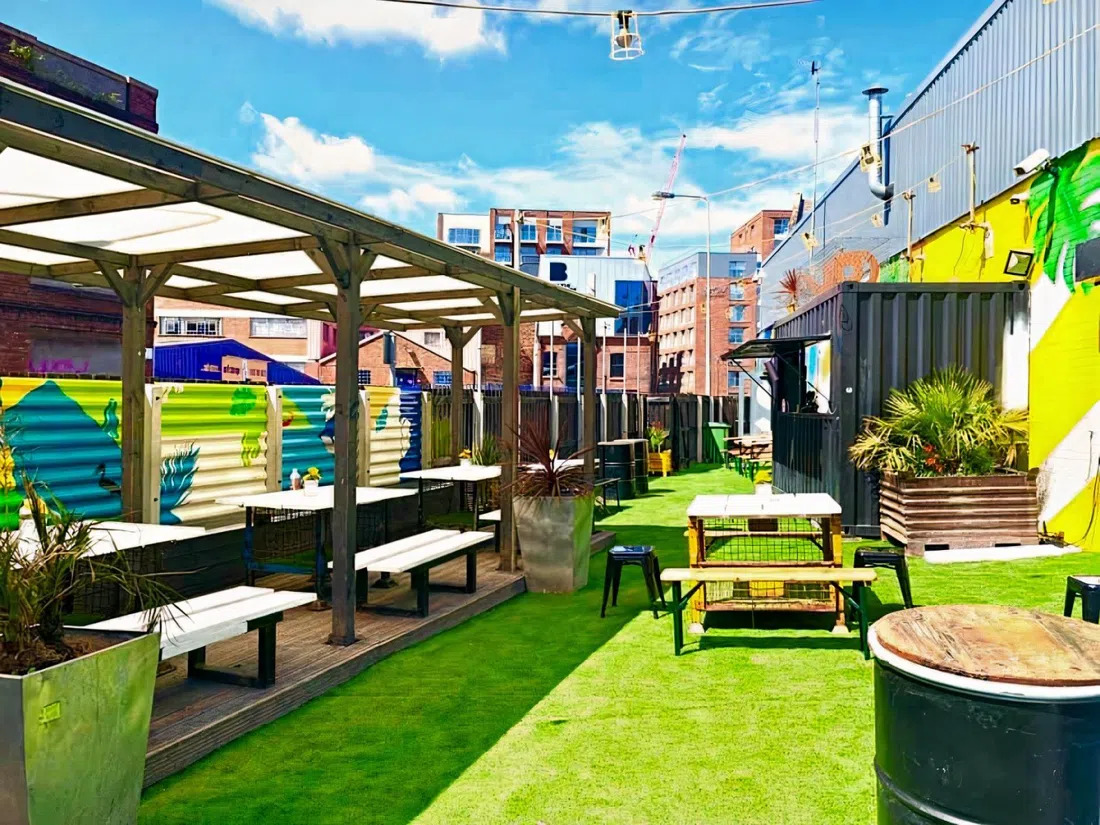
For a drink that isn't a gig, Cains Brewery Village is the courtyard to know — an open space, easy for groups, with live music running Wednesday through late most weeks and drinks at £4–£8. One honest caveat, because a guide that praises a room on reputation alone isn't worth reading: Cains stopped brewing on-site in 2023 after a royalties dispute over the name. The Village trades on regardless, and it's a genuinely good night out, but don't go expecting beer brewed behind the bar you're drinking at — it isn't, and hasn't been for three years.
Nigerian Liverpool: The City's Best-Kept Food Secret
This is the part of the weekend most visitors — and, frankly, most locals outside the community itself — never find, and it's the strongest reason to build a trip around this brief rather than the standard heritage trail.
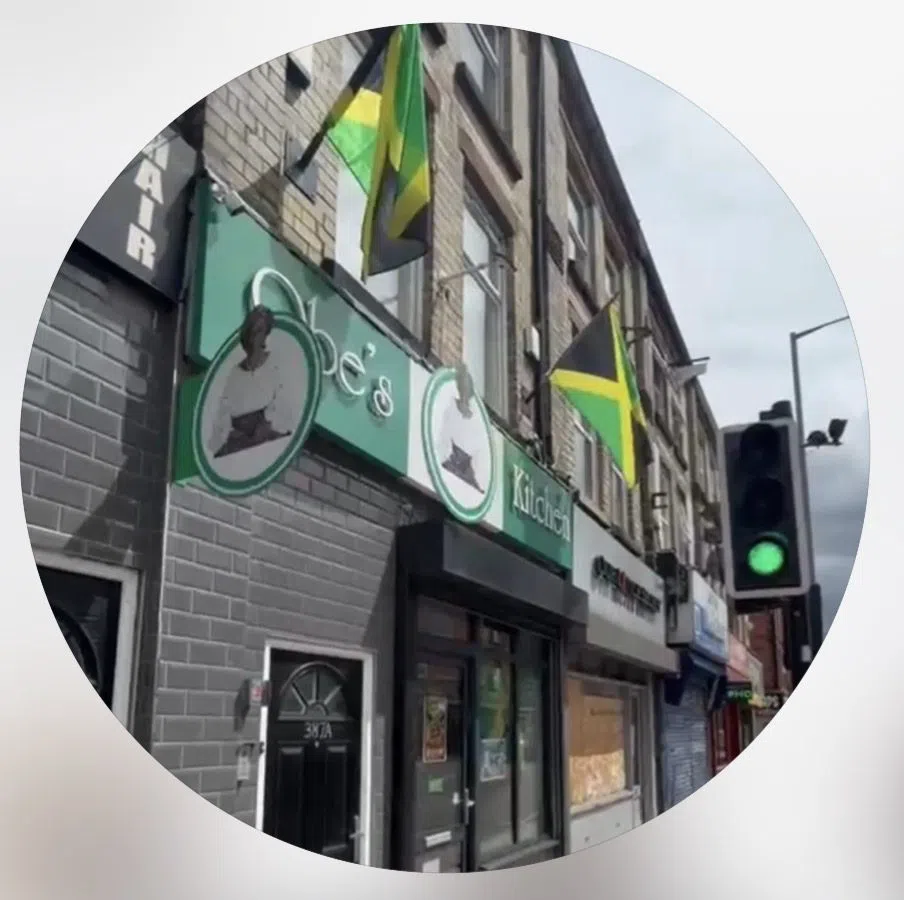
Obe's Kitchen, on Smithdown Road, is the best of it: the highest-rated Nigerian restaurant in the city, sitting at 4.8 out of 5 across its 2026 reviews, and it earns that rating on the plate rather than the room. It's casual, dine-in, and works fine for a small group, though there's no formal group-booking system — if you're coming as more than four or five, call ahead rather than turning up and hoping for a table. Mains run £10–£18, and it's genuinely in Liverpool proper, an easy taxi or bus from the city centre rather than a detour.
If you're moving as a larger party, Kemola Restaurant and Lounge is the one built for it: an online booking form that takes anything from a single diner to a party of twenty-plus, and a family-friendly room that can absorb a group without the kitchen buckling. Mains run £12–£22. The one flag worth being upfront about: Kemola is in Bootle, not the Georgian Quarter or Baltic Triangle core, so it's a bus or taxi ride out rather than a walkable add-on to either of the other two legs of this weekend. Budget the journey time and treat it as its own outing rather than a stop you'll casually fold into a Baltic Triangle evening.

Together, Obe's and Kemola make the case that Liverpool's food story is bigger than fish and chips and a Cavern Club burger — a case worth making loudly, because almost nothing else written about this city bothers to.
Practical Details
Getting around: the three legs of this weekend — Hope Street/Georgian Quarter, Baltic Triangle, and the Nigerian restaurants — sit in a rough triangle across the south of the city centre. Hope Street to the Baltic Triangle is a flat 15–20 minute walk; Smithdown Road (Obe's Kitchen) is a short bus or taxi from either; Bootle (Kemola) is a proper journey out and worth its own trip rather than a bolt-on.
Cash and cards: every venue on this list takes cards; nothing here requires cash specifically, though it's worth carrying a little for Baltic Market stalls during a rush.
Timing: the cathedral walk and Georgian Quarter are a daylight itinerary — aim to start by early afternoon so The Hardmans' House (Wednesday–Saturday, March–October only) is actually open, and so you're not trying to appreciate stained glass after dark. Baltic Triangle comes alive from early evening into the night; Cains Brewery Village's live music picks up from Wednesday. Book The Hardmans' House and any Athenaeum tour date well ahead — both run limited, small-group access rather than open hours.
Budget: a full day on foot — cathedral entries, a tower ticket, pub lunch at the Philharmonic, two or three dishes at Baltic Market, and a night's drinks at Cains or District — comfortably fits under £60–£80 per person, before hotels. For where to stay while you do it, start with the Liverpool hotel search; for the rest of what the city offers beyond this weekend, the Liverpool guide covers the wider picture.
None of this requires you to know a single Beatles lyric. It requires an afternoon of walking, an appetite, and a willingness to book a few things — the Hardmans' tour, a Baltic Market table, a Kemola booking — slightly ahead of when you'd normally bother. Do that, and you get a Liverpool weekend almost nobody else is having.