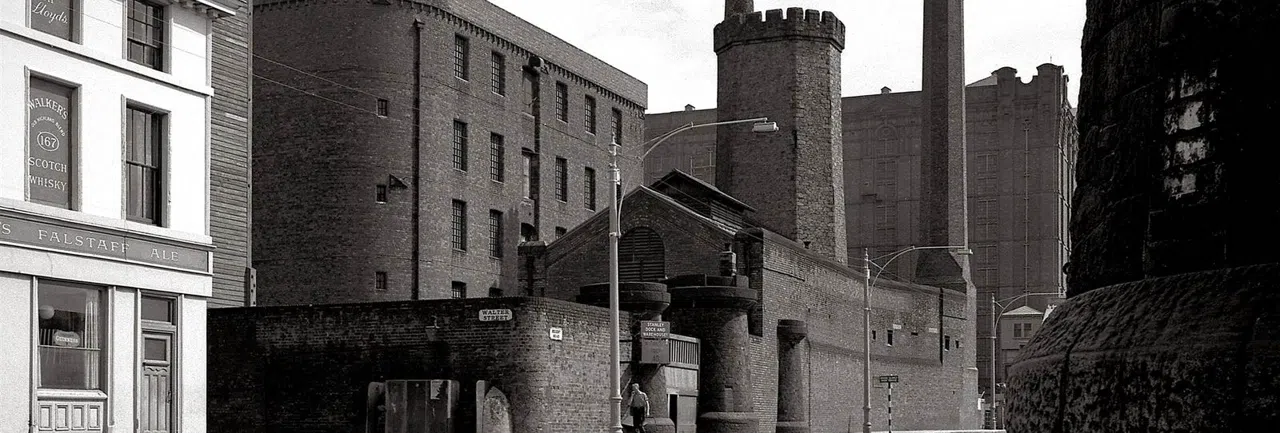

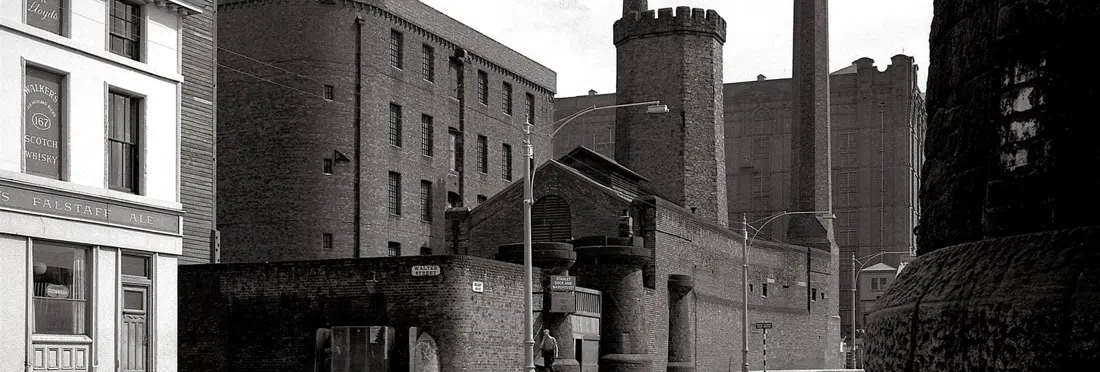
Stanley Dock's Tobacco Warehouse needs no set dressing. A cliff of soot-blackened brick stands over flat green water, its loading bays opening onto nothing, and when a cab pulls up on the cobbles below it most people go quiet for a moment. That silence is what a Peaky Blinders drive around Liverpool is really selling: a working port city that still owns the buildings the story needed, rather than any costume or set.
What you actually see on a Peaky drive
Strip the branding away and this is a location tour: four hours in a taxi with a guide who knows which frame was shot where, which exterior was redressed, and which of the Shelbys' supposed neighbouring streets are a mile apart in real life. You do not walk onto sets, because there are none here. The interiors were built elsewhere and Liverpool supplied the outsides. What you get instead is a sequence of stand-still-and-look stops with a running commentary, plus two or three short walks where the guide can point at a wall and tell you what was filmed against it.
Most drives follow the same shape: docks first, then uphill into the Georgian streets, then either the food-and-pint end of the Baltic Triangle or a crossing under the Mersey to the Wirral side. Pick-up is usually central, from a hotel door or the steps of St George's Hall. Private tours here run seven days a week, which matters more than it sounds: you can put the drive on a Monday, when a couple of the free museums on this list are shut and the streets are at their emptiest.
The dock run
Stanley Dock and the Tobacco Warehouse (Vauxhall, on the north dock road) is the stop that earns the trip. The Kimber shoot-out that closes series one was staged here, and the walkways doubled for the street outside the Garrison. The quayside and dock road are open to walk, and free; the warehouse itself, the largest brick building in the world when it was finished in 1901, is apartments now, so admire it from the dockside rather than trying the doors. If you want to sit down, the Titanic Hotel's bar and the Rum Warehouse alongside take groups and large bookings by arrangement, at hotel prices.
Downriver at the Pier Head, the Museum of Liverpool (waterfront) is the honest footnote to everything the drive shows you: dock labour, court housing, and the gangs the real peaky blinders grew out of, laid out with no screen gloss. It is free, needs no ticket, absorbs groups all day and opens 10am to 5pm Tuesday to Sunday, closed Mondays outside school holidays. Guides often skip it for time. Go on your own afterwards; an hour there makes the drive feel better value, not worse.

St George's Hall (city centre, at the top of Lime Street) is the civic set-piece. Series three's shattering Grace scene was shot inside, the building stood in for bombed streets in the 2026 film, and its steps double as the standard pick-up and drop-off point for taxi tours. Entry to the building is free. The Minton tile floor, under a protective cover most of the year, is uncovered for only a few weeks in high summer, with viewing around £6 for an adult and guided tours extra. If your dates land on the reveal, build the day around it.

Uphill into the Georgian Quarter
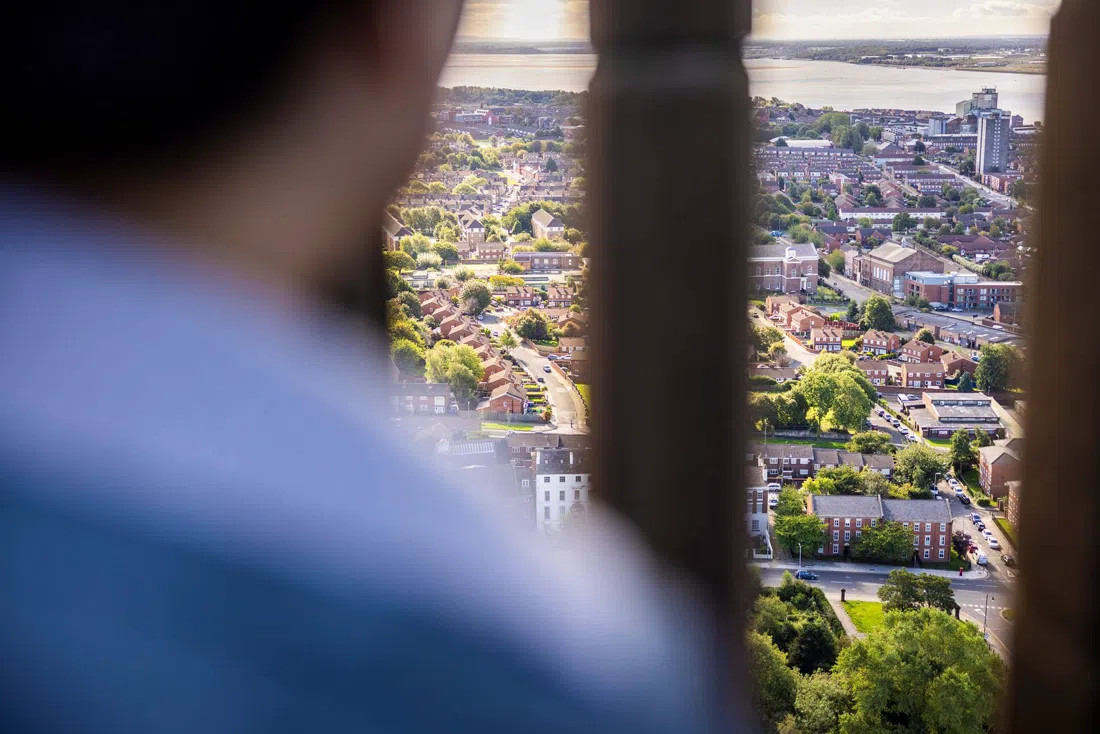
Liverpool Cathedral (St James Mount, Georgian Quarter) plays the Shelbys' Catholic church on screen, which is straight-faced casting given it is Anglican and the largest cathedral in Britain. Entry is free. The Tower Experience is ticketed at about £8 adult, £6.50 concession and £22.50 family, and it is the best orientation in the city: two lifts and then 108 steps put you above the roofline with the dock road, the river, the Wirral shore and the Georgian terraces all in one sweep. Do it before the drive, not after, and check the website that morning, because services and bell-ringing close the tower at short notice. The steps rule it out for some people; the cathedral floor itself is level.
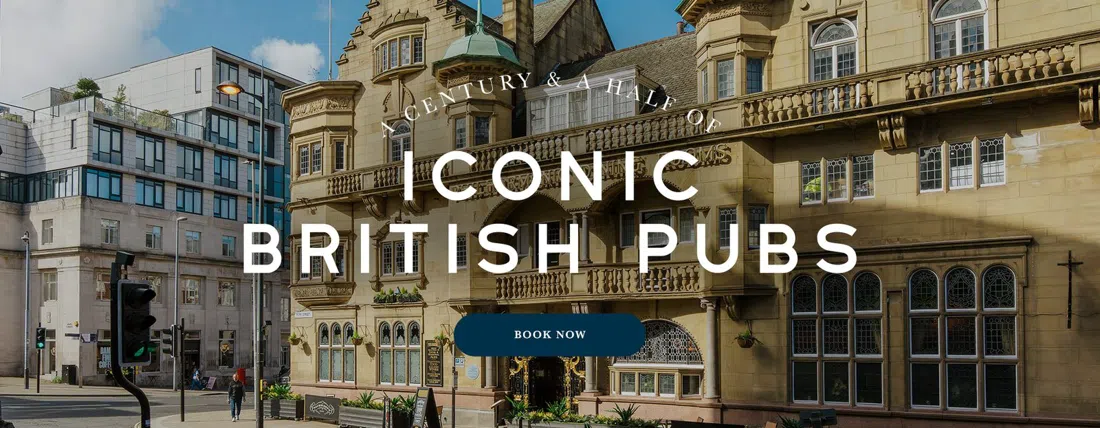
Five minutes downhill, The Philharmonic Dining Rooms (Hope Street) is not a filming location and no guide should claim otherwise. It is something better: a pub built for the brewer Robert Cain between 1898 and 1900, mosaic and stained glass and beaten copper still in place, which makes it the closest thing in the city to the real Edwardian interior the series spends money imitating. Walk-in, open 11am to 11pm and later on Friday and Saturday, food all day at ordinary pub prices. The layout is a warren of small rooms, so two or four will always find a corner and eight will end up split across two of them at peak times. More than that, don't.
Falkner Square (Georgian Quarter) is where the walking half of most tours actually happens. The series-two bomb blast was filmed on the terraces around this garden square, and the streets running off it are the most convincing stretch of pre-war streetscape left in the city: flat brick fronts, iron railings, fanlights, almost nothing modern in the sightline. It is a public square, free, nothing to book, and a small group walks a full circuit in ten minutes. Keep voices down, because these are people's homes and the residents have had a decade of this.
Across the water to the Wirral
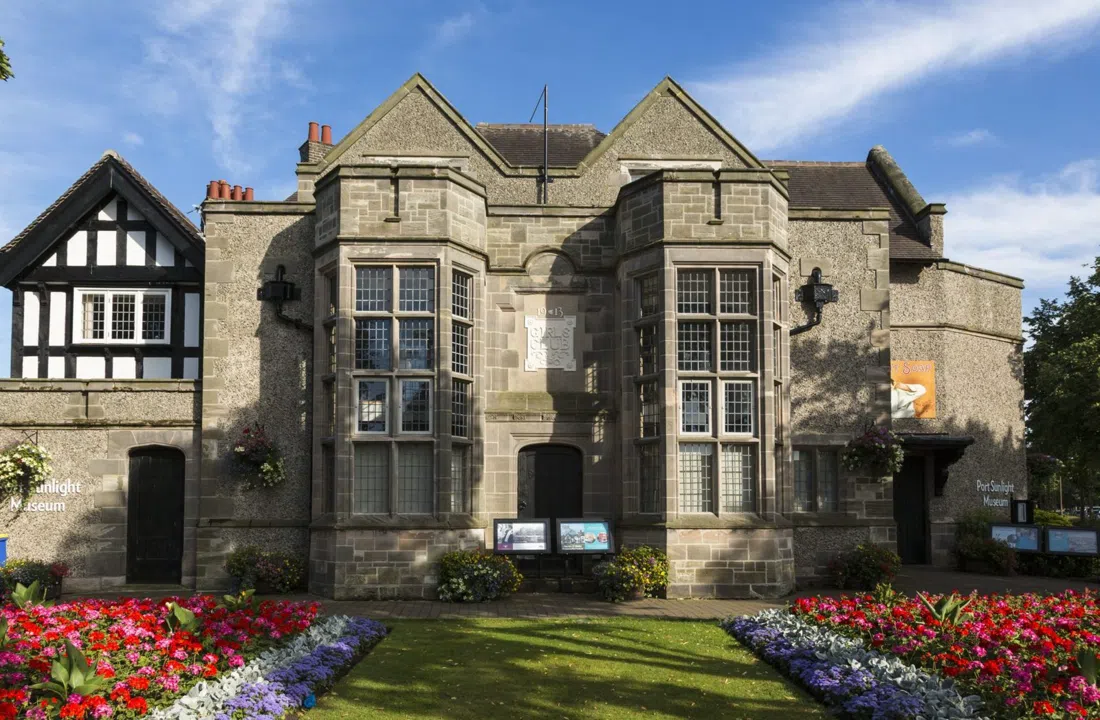
If your tour includes a river crossing, the target is Port Sunlight Museum and village (Wirral), where Polly's gifted house from series two stands on a street among some 900 listed buildings that the soap maker William Lever put up for his workers. The museum opens daily 10am to 4.30pm bar Christmas, which makes it the most dependable stop on this side of the water; admission is around £7 adult and £4.81 child, the village is free to walk and parking is free. Guided 90-minute village walks leave the museum at 11am and 2pm, Wednesday to Sunday, group rates on request, and they are worth it if the planning interests you as much as the filming.
Two minutes away, the Lady Lever Art Gallery (Port Sunlight) is the warm, dry backup for when the weather turns, and it turns. It is free, as a national museum, opens Tuesday to Sunday 10am to 4pm and takes groups without booking, though big parties should give notice. Pre-Raphaelites and the finest jasperware collection anywhere, at no cost.
The National Waterways Museum (Ellesmere Port basin) is the deep cut. Alfie Solomons' warehouse was shot in this basin, and so was the 'Waterloo Dock' final battle in the 2026 film. Most taxi tours only reach it as a paid add-on, so ask rather than assume it is in the itinerary. Admission is modest and the ticket is usually valid for repeat visits; opening is Wednesday to Sunday in winter, Tuesday to Sunday in spring and summer, daily in school and bank holidays, 10am to 4pm. 2026 is the museum's fiftieth anniversary year, so check what boats are gathering before you go.
The two stops out of town
Formby (Sefton coast, north of the city) is the sand where Tommy and Alfie settle up at the end of series four: pine woods, then a long pale run of beach and nothing else. It is a 40-minute drive or a Merseyrail hop with trains about every 15 minutes, and on a sunny day the train is genuinely the smarter option, because the National Trust car parks are small and fill fast, at £9 a car, £21.50 a minibus and £80 a coach, free for members. Entry itself is free, all day, no gates.

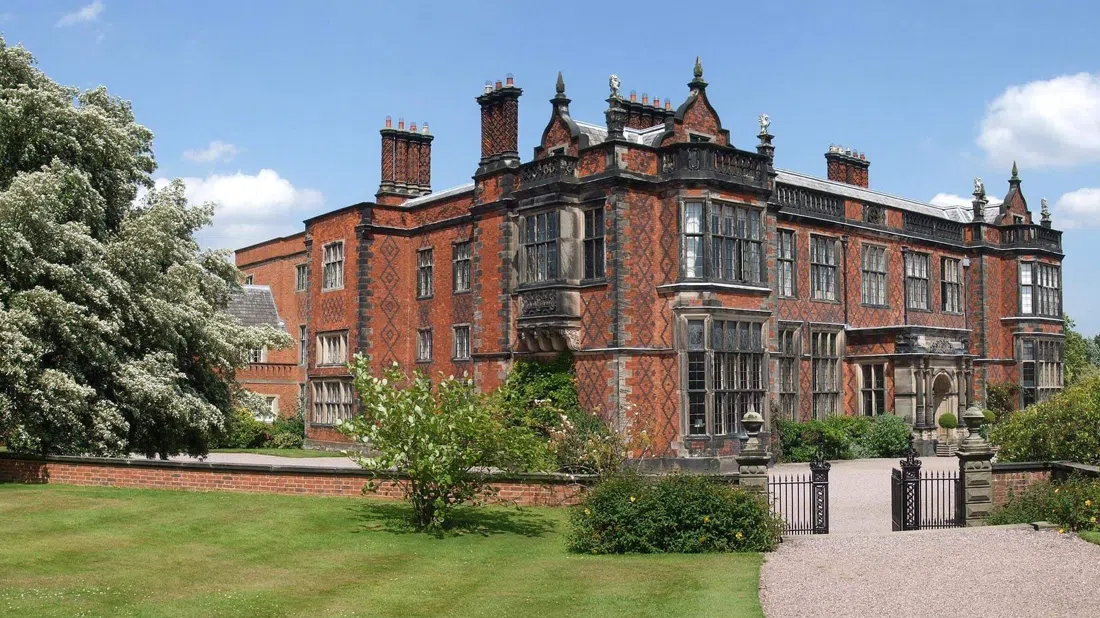
Arley Hall and Gardens (Cheshire, about 45 minutes out) is Tommy's Arrow House, and the real interiors used across series three to six. It only fits the longer full-day version of a private tour. The gardens open daily 10am to 5pm in high season (2 March to 1 November 2026) at about £13 adult, £6.50 child and £4 parking, with hall entry extra on the selected days it opens at all, so check before you commit a group to the drive. The dressed Peaky exhibition here was a short March run, so don't travel expecting costumes behind glass.
The pint at the end
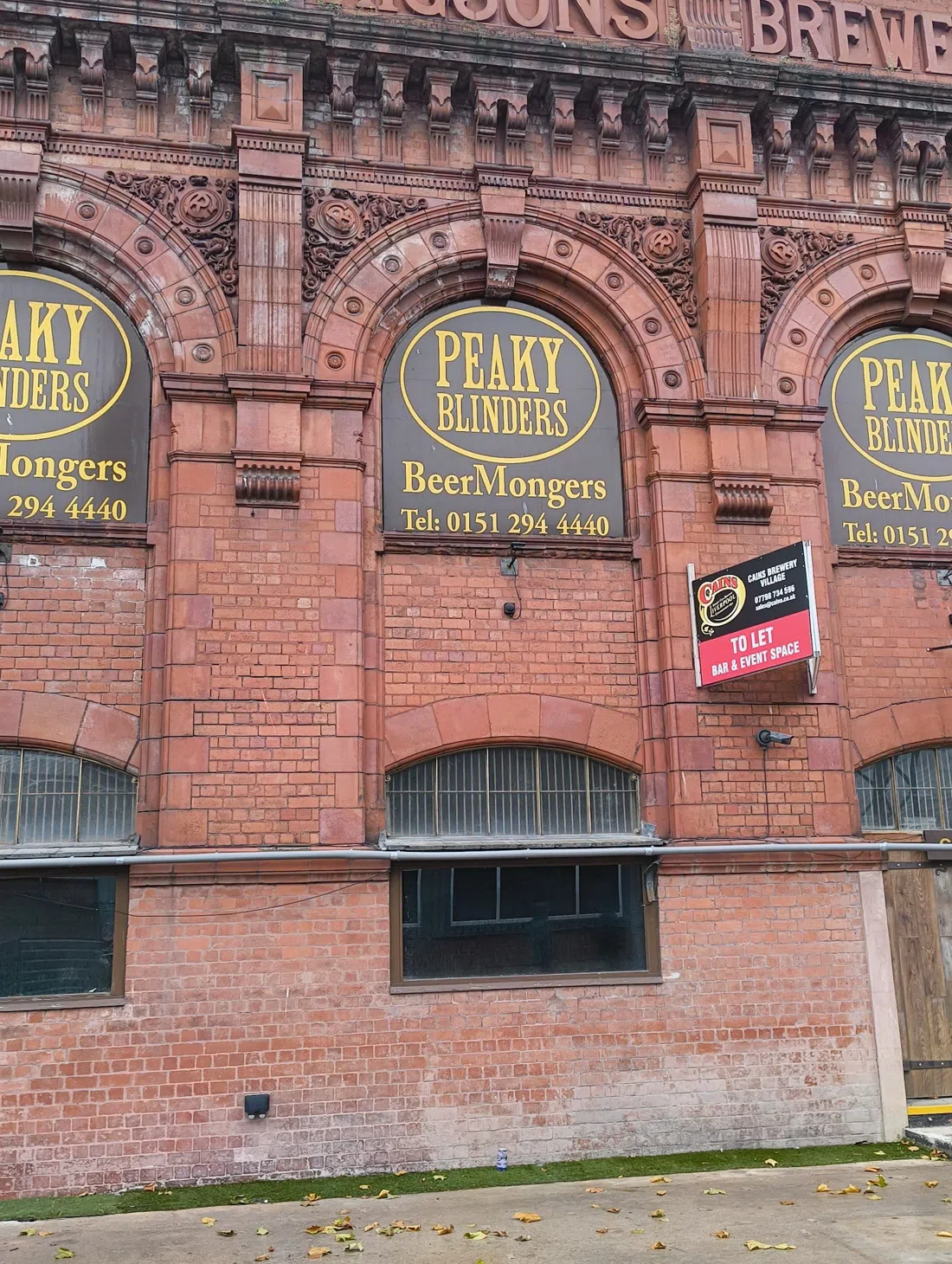
Peaky Blinders Bar Liverpool (Cains Brewery Village, Baltic Triangle) has been open since December 2017, holds 500 across two floors and runs live music Thursday to Sunday. It is a theme bar rather than a filming location, and treating it as the pint at the end of the drive instead of part of the history keeps everybody honest. Prices are standard for a Liverpool bar. It is comfortable with stag groups, hen groups and tour parties, which is also the reason a couple after a quiet drink should stay up on Hope Street.
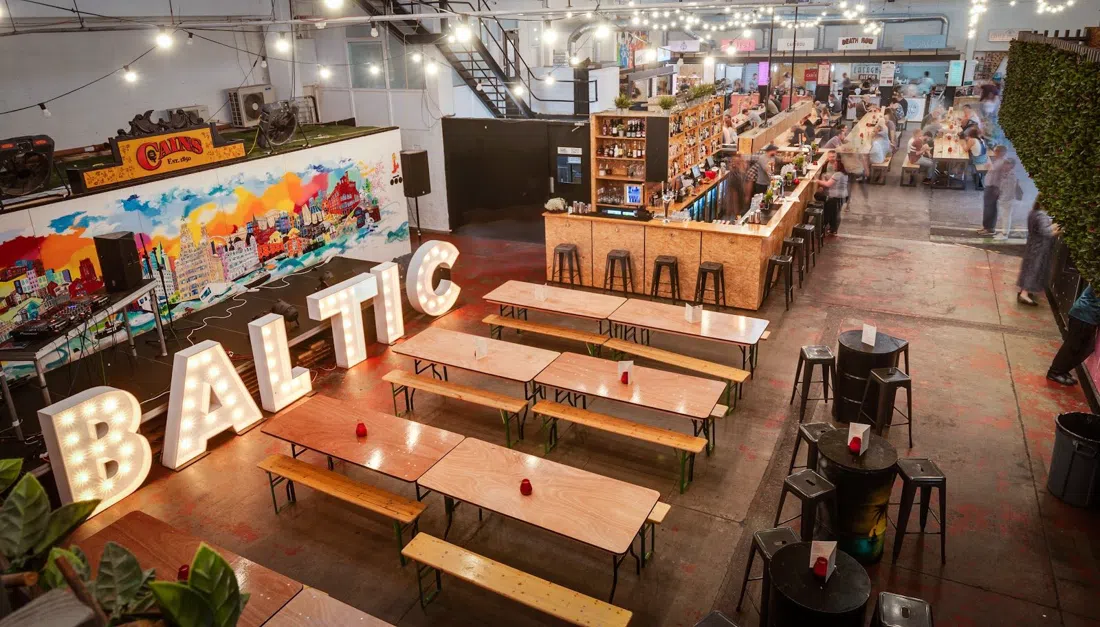
In the same brewery yard, Baltic Market (Baltic Triangle) is about the easiest place in the city to feed ten people without a reservation: free entry, walk-ins Wednesday to Sunday, long shared tables, £8 to £14 a plate. It is closed early in the week, which catches people out.
Door prices, booking and how long it really takes
The arithmetic is plain. Almost everything on this route is free or nearly: the docks, the square, the cathedral floor, the city museum, the gallery, the village streets. The paid extras are small, a tower climb, a Minton floor, a village museum, a set of gardens. What you pay a private guide for is the car, the sequencing and the commentary: four hours that would cost you two days and several trains to assemble alone. It is not cheap. The guided option here starts from 804 USD per person, and the sensible move is to confirm exactly what that rate covers and how it changes with party size before booking, because the gap between a solo seat and a shared car is the whole value question.
Queues are not the problem on this route, since none of these stops has a turnstile worth fearing and the free museums let you walk straight in. The things that are genuinely timed are the cathedral tower, the Minton floor's short summer window and the 11am and 2pm village walks. Book the guide a few days ahead for a weekend; confirmation is normally immediate and some options cancel free, but the number of cars and guides in this city is finite and Saturdays go first.
Access, groups and what each stop can take
Nothing here has a door policy in the nightclub sense, but the stops differ hugely in what they can absorb. St George's Hall, the Museum of Liverpool and the Lady Lever handle groups without fuss, in big civic rooms with staff used to coach parties. Port Sunlight's museum takes groups and will quote for the walk. The tight spots are the pub, where eight is the honest ceiling; the cathedral tower, where two lifts and 108 steps rule out anyone who can't manage stairs; and Formby, where a coach pays £80 to park and may not find a space at all on a hot weekend. Falkner Square is residential, so small groups and low volume. The themed bar is the one place built for numbers.
Is it worth it
If the series is a real reason you came, yes, with a caveat. You are buying a curated four hours, not access: every exterior on the list is free to stand in front of, and a determined visitor with a day, a map and a train pass could do the city half unaided. What is hard to do yourself is the joining-up, knowing that the Garrison street and the series-one shoot-out are the same fifty yards of dockside, that the Shelbys' Catholic church is an Anglican cathedral, that Polly's house sits in a soap magnate's model village. There are 434 traveller reviews across the bookable tours here, and the top-rated one stands at 4.9 out of 5 from those 434, which is about as clear a verdict as review counts ever give.
It suits fans who want the screen-to-street comparison, small parties of three or four sharing a car, and anyone short on time and long on interest. It suits less well solo travellers watching the budget, families with young children (four hours of exteriors and dock walls is a long sit) and anyone hoping for sets and wardrobe. This city hands you brick, water and weather instead.
Best time to go
Mornings are better for the docks: the Tobacco Warehouse takes the light well before noon and the quayside is empty. Mid-week beats the weekend everywhere on this route, with quieter terraces at Falkner Square, easier parking at Formby and room in the pub, and because the drives run all seven days you can shape the day around museum closures rather than the reverse. Watch Mondays, when the city museum shuts outside school holidays, and the start of the week in the brewery yard, when the market is closed.
Seasonally, high summer is the only window for the Minton floor, and Arley's gardens run 2 March to 1 November 2026, so any full-day version has to fall inside that. Winter is honestly fine for the dock half, since the brick reads better under grey cloud than under glare, but the Wirral leg turns bleak, which is exactly when the free gallery earns its place. Late afternoon in the shoulder months gives the best light at the beach, and the sun going down over the water there is the closest this route comes to a postcard.
The practical end
Getting around: the central stops are walkable, cathedral to Hope Street five minutes downhill, Hope Street to Falkner Square another ten. Stanley Dock is a mile and a half north of the centre with no useful direct bus, so take a taxi, or get it as part of the drive. Formby is on Merseyrail roughly every 15 minutes, then a walk to the sand; Port Sunlight is on the Wirral line. Ellesmere Port and Arley Hall both really want a car.
Money: contactless works everywhere on this list, market stalls included; keep a little cash for parking machines. Independently, per adult, budget nothing for the docks, the square and the two free museums, about £8 for the tower, about £7 for the village museum, around £6 in high summer for the Minton floor, £8 to £14 for a plate at the market and normal pub prices at either bar, so call it £30 to £40 for a full day with lunch and two drinks. The guided version sits in a different bracket, and the fair way to judge it is per seat in the car.
Timing: four hours for the city loop, a full day if you cross the water or drive out to Arley. Check the tower and the village walk times the same morning you go. If you want to read wider before committing a day, the Liverpool guide covers the rest of the city, and for a base inside walking distance of the Georgian Quarter start with the Liverpool hotel search.