Liverpool's voice arrived on vinyl and on television decades before most visitors arrived in person, so people think they've already heard it: the compressed vowels, the rising note at the end of a flat statement, the way certain words get sung rather than said. They haven't, not really. An impression worn smooth by fifty years of comedians and chat-show hosts doing an accent is not the same as sitting in a snug pub, a taxi, or a comedy club and catching the real thing live, unscripted, aimed at nobody but the person it's meant for.
Where the accent performs
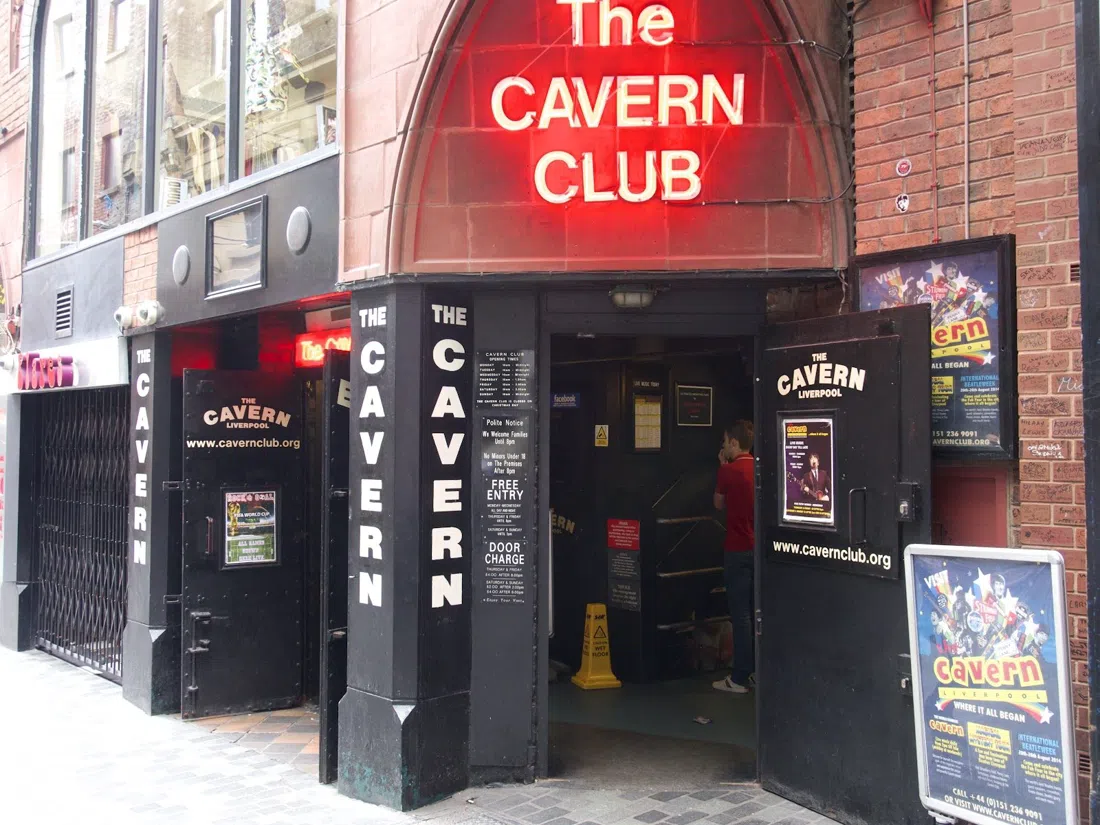
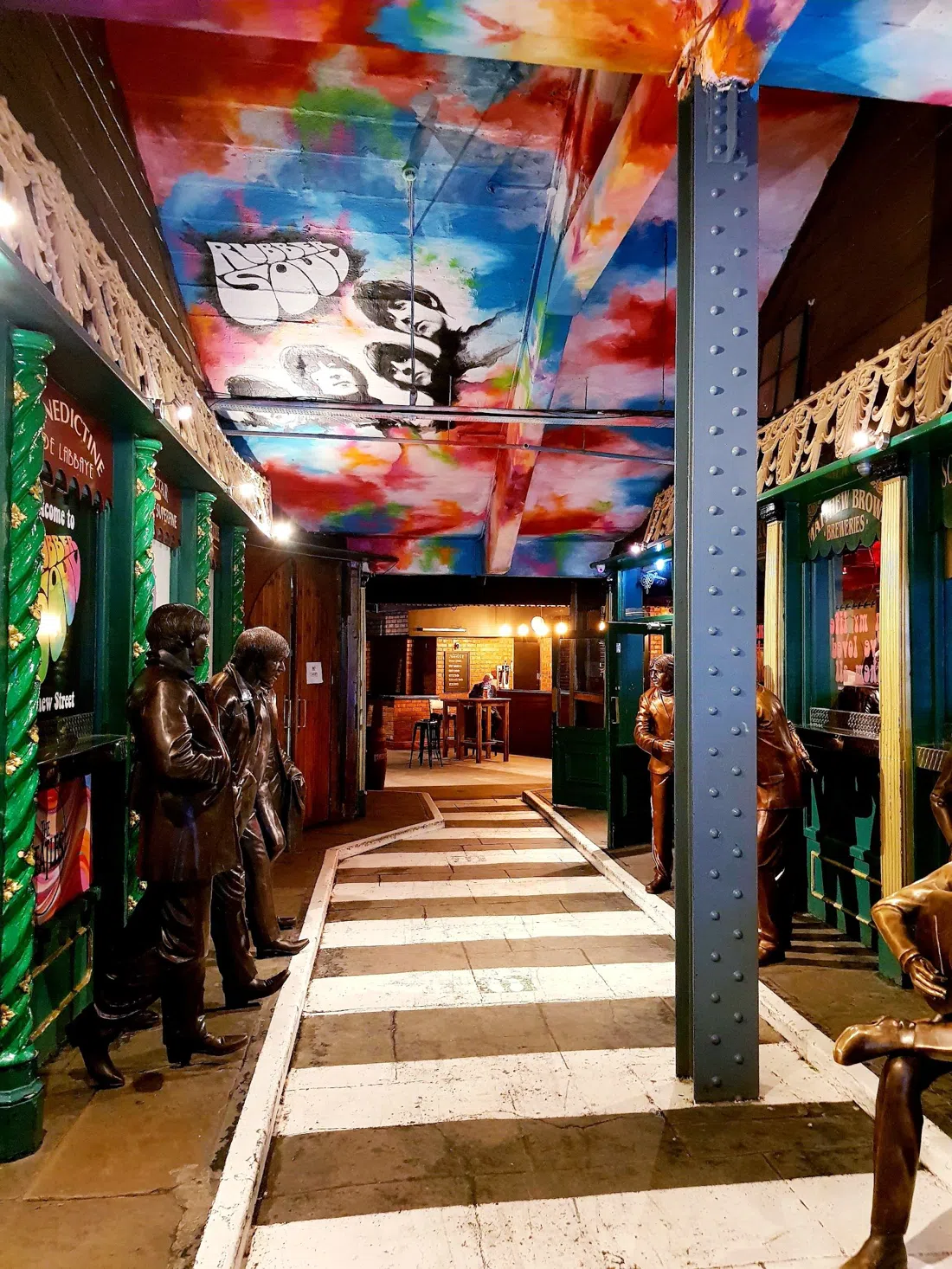
The Cavern Club (Mathew Street, city centre) is where the outside world first heard Liverpool talk as much as sing. The between-song patter on early recordings did as much to fix the accent in people's ears globally as the music itself. It's still a working venue, not a shrine: walk-ins are welcome seven nights a week, entry is free most daytimes and ticketed from roughly £5-10 in the evenings, and groups can book ahead for a table with the venue directly. Go early evening on a weeknight if the goal is actually hearing a support act's stage banter over the crowd; by 9pm on a Friday or Saturday it's standing room only and the accent gets swallowed by the noise and the singalong.
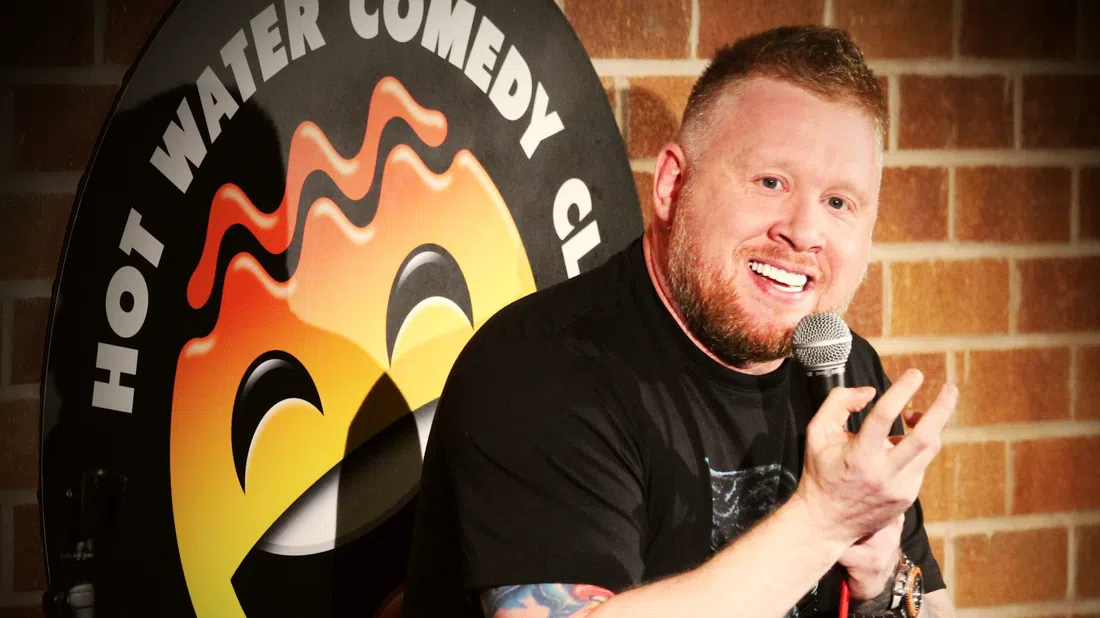
For accent at full speed and full volume, Hot Water Comedy Club (city centre, off Fleet Street) is the better lab. Local MCs work the room in broad Scouse, riffing off the crowd rather than reading a script, and because it's purpose-built for groups (hen and stag parties, birthday tables, works nights out, all actively taken), nobody blinks if you turn up eight or ten strong. Tickets run from roughly £12-25 depending on the night and headliner; book at least a week out for a Saturday, since local nights sell out to locals first and visiting groups tend to get whatever's left.
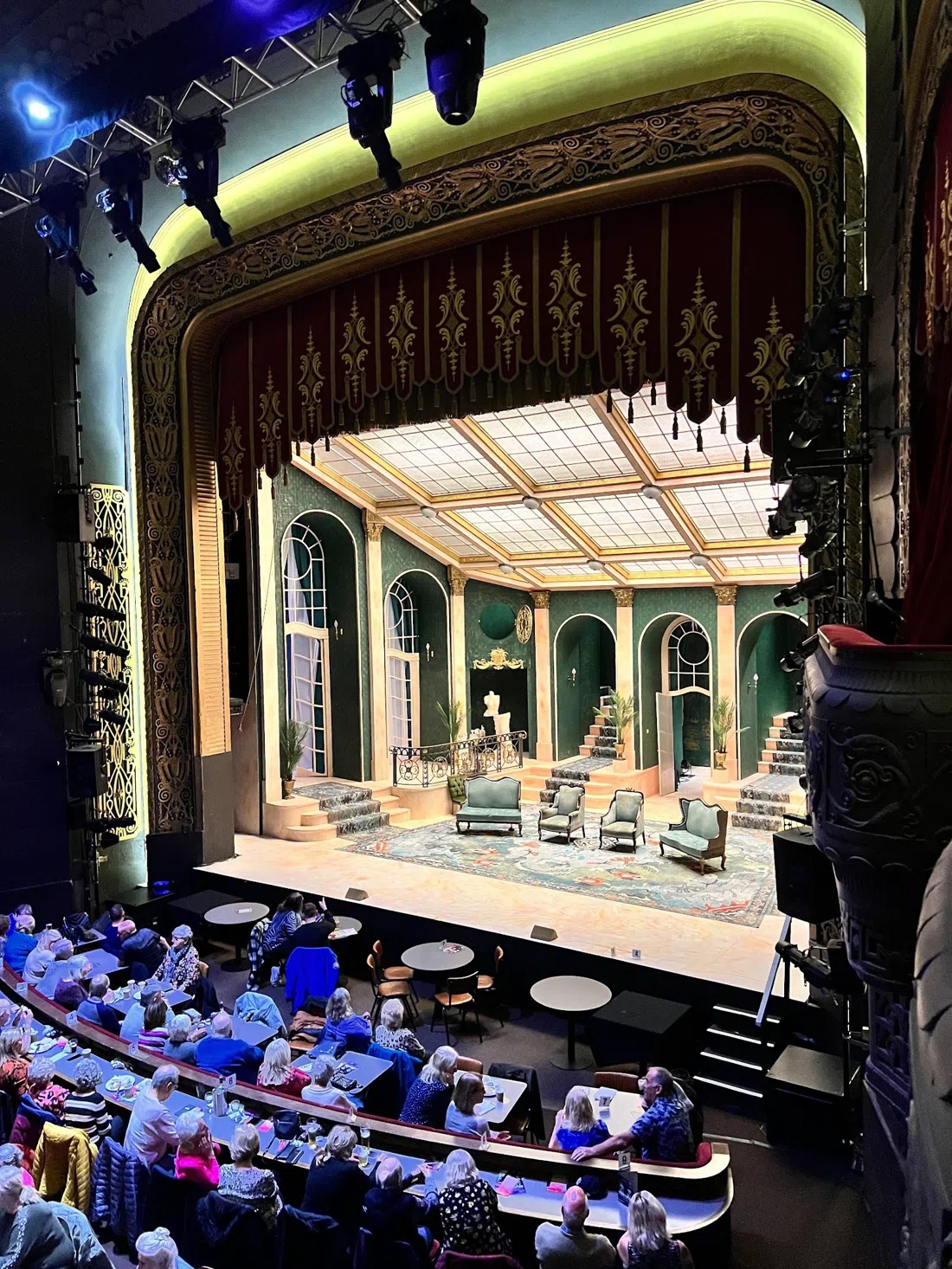
Royal Court Theatre (Roe Street, city centre) takes the accent one step further, staging homegrown comedy theatre (The Scouse Nativity and shows in that vein) written and performed in the vernacular for a crowd that's half local, half visiting. Tickets start around £20-40, and group ticket rates plus dinner-and-show packages are worth asking about for parties of six or more. It's one of the few places on this list where the slang isn't explained for tourists between jokes; it's spoken at full pace, so a little pre-reading pays off more here than anywhere else.
Pubs where the voice comes with the pint
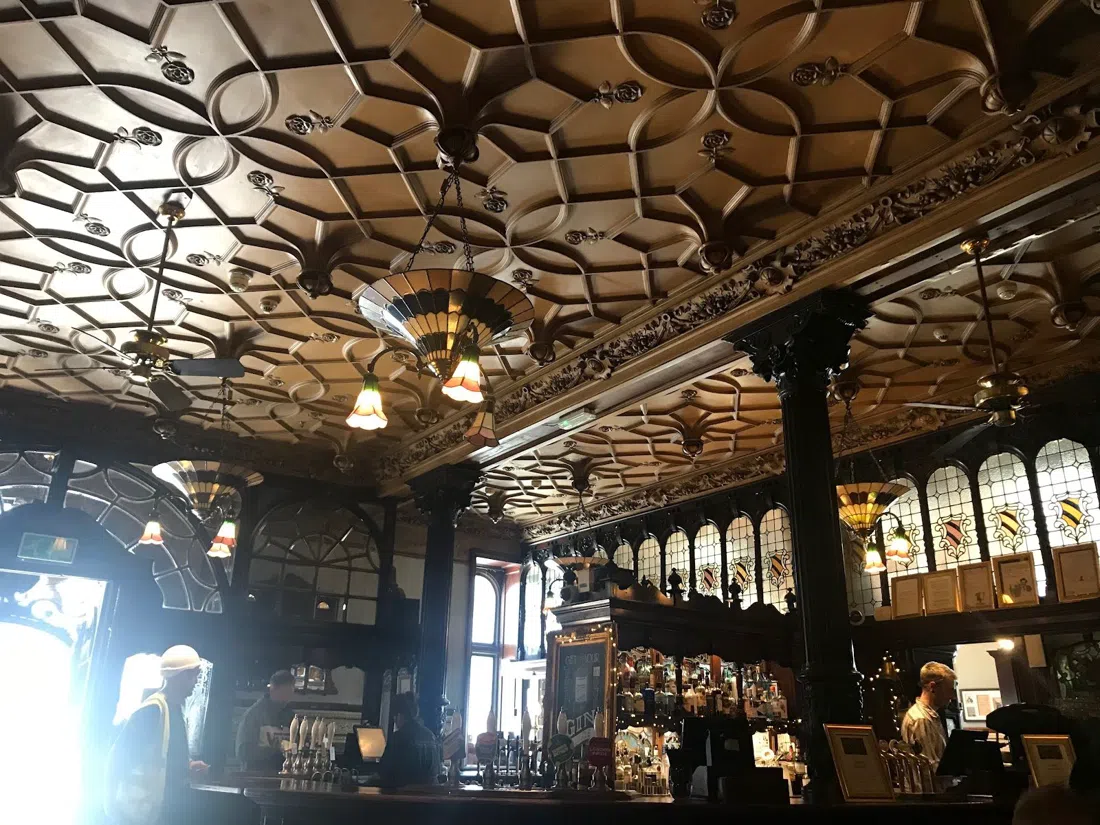
The Philharmonic Dining Rooms (Hope Street) is the grandest room to simply sit and listen: an 1900 gentleman's-club-style pub with ornate wrought-iron gates and mosaic-tiled interiors that make it a destination before anyone's said a word. It draws a genuine cross-section of the city, cask-ale regulars alongside the after-work and student crowd from the university quarter along Hope Street, so table booking is worth doing if the plan is to eat rather than stand at the bar. Groups are welcome; aim for a weekday lunch if the goal is conversation you can actually follow, rather than a Friday-night roar bouncing off the tiled ceiling.
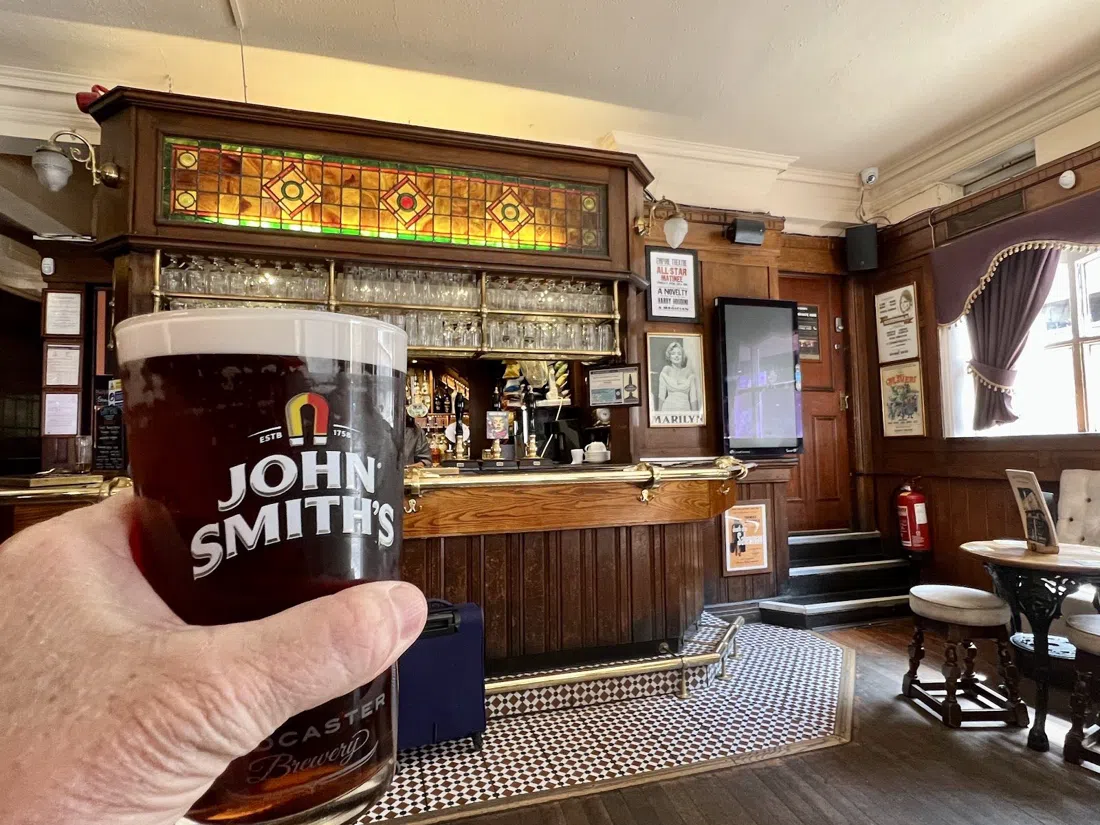
Ma Egerton's Stage Door (off Duke Street, behind the Empire Theatre) trades the grandeur for something scruffier and, for accent-spotting, better: a proper theatrical pub since 1846, food served all day, and a Monday quiz night that pulls a genuinely local crowd rather than a passing-through one. The scouse stew is on daily, mains run roughly £10-14, and groups are welcome without any booking hassle, just walk in.
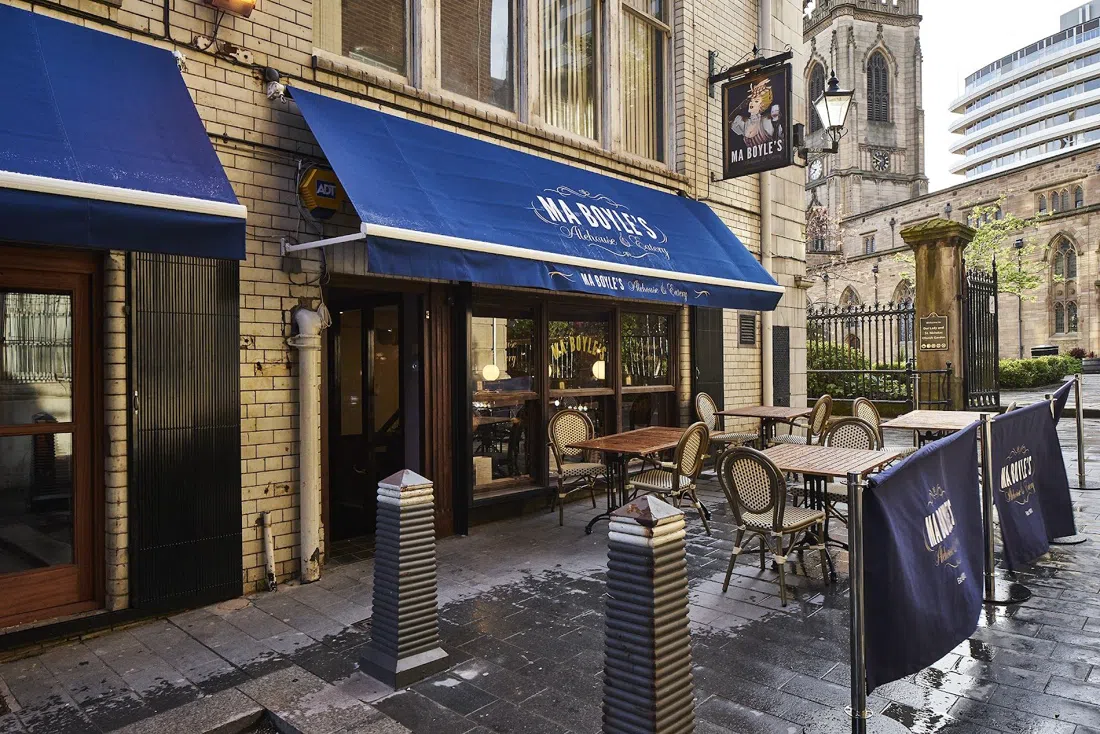
Ma Boyle's Alehouse & Eatery (Tower Building, Water Street, waterfront) has been serving since 1974 in a landmark building near the Three Graces, and does both a traditional scouse stew and a scouse pie version, which is a useful way to compare the dish's forms in a single sitting. Mains sit around £12-16, and it takes party and group bookings through a dedicated booking page, making it the easiest of the historic pubs to plan around for a table of eight or more without turning up and hoping.
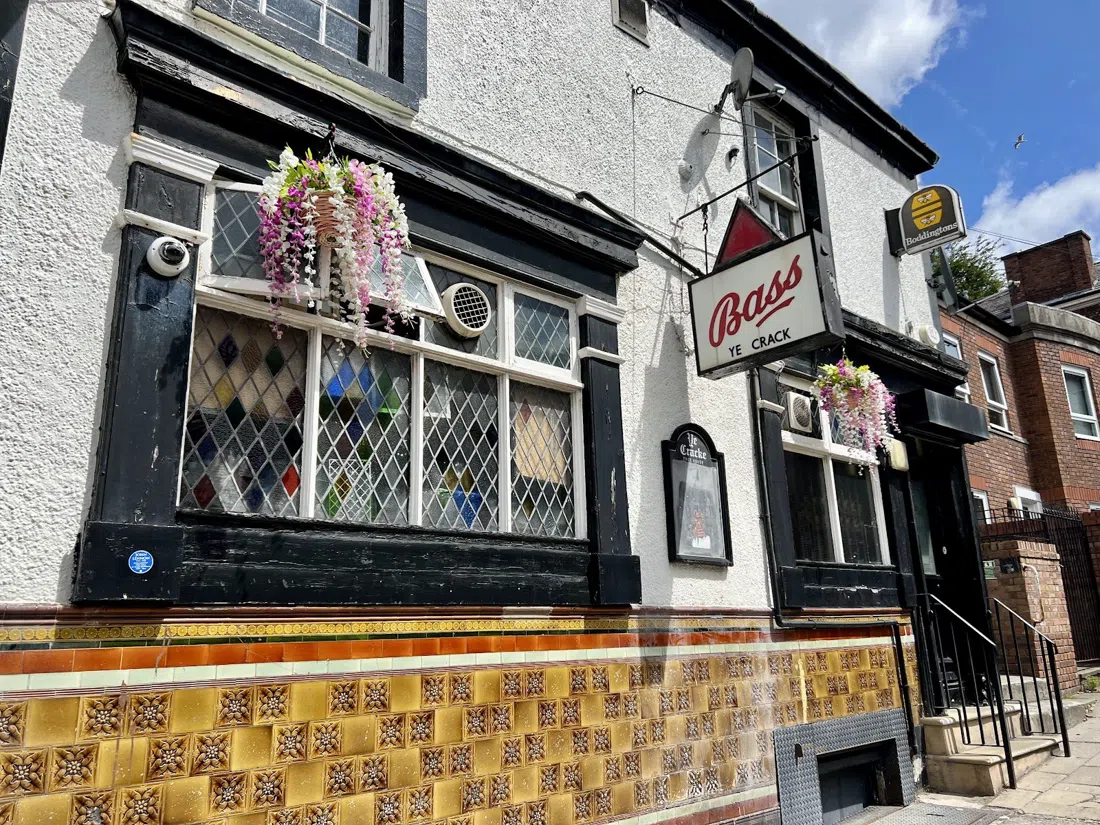
Ye Cracke (Rice Street, off Hope Street) reopened in February 2026 after a £200,000 refurbishment, and it's worth a stop for the name alone: cracke is old Scouse for a back alley or narrow passageway, and the pub's low-ceilinged, multi-room layout still feels like ducking into one off the street. It was a Lennon-era art-school local and hasn't tried to become anything grander since; fine for a small or medium group, no formal booking needed, just turn up and find a room that isn't full.
Scouse the word and scouse the dish
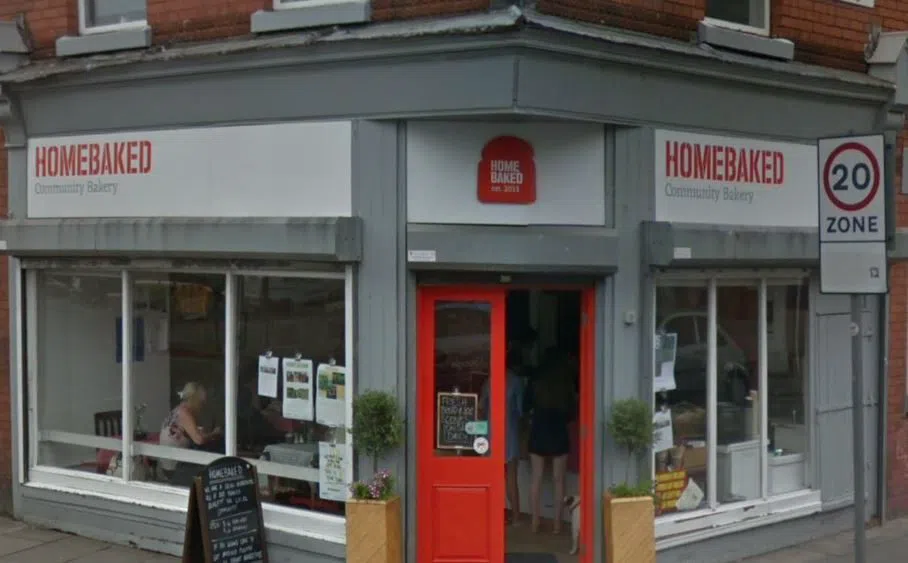
Before it was slang or an accent, scouse was a stew: a cheap, hearty meat-and-potato dish brought in by Norwegian and Baltic sailors working the docks, and it's the actual reason the city and its people picked up the name in the first place. Homebaked Anfield (Anfield, beside the stadium) turns that history into a handheld version: a cooperative community bakery whose scouse pies are a matchday institution, sold at the counter for roughly £3-5. There's no seating for a crowd, so it works best in pairs or a small group grabbing pies to eat on the walk rather than a sit-down stop with a table for ten.
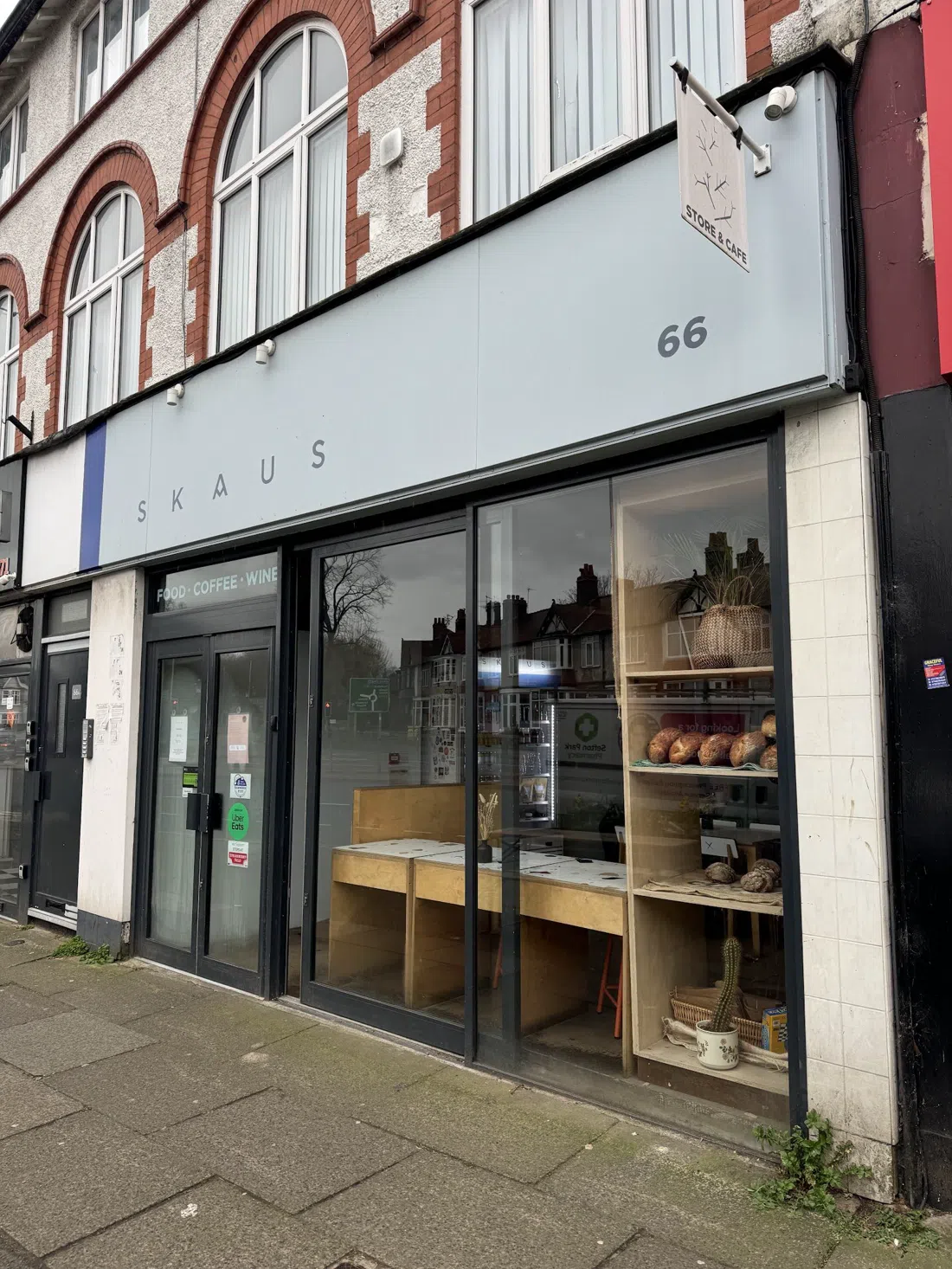
SKAUS (Bold Street, city centre) takes the same dish somewhere unexpected: a small modern restaurant built entirely around scouse, reworked with a Scandinavian twist that nods back to those Baltic origins. It's walk-ins only, no group bookings, so it suits two or three people dropping in for brunch (roughly £10-16) rather than a party turning up expecting a table to be held. Eating the traditional pub version at Ma Boyle's or Ma Egerton's and then this one back to back is the clearest way to taste how far the word has travelled from its own dish, and it makes a genuinely good half-day itinerary on its own.
Guided ears who explain as they go
Fab4 Taxi Tours run a convoy of private taxis, each seating five or six, so a family or a bigger party can book several cabs and still move through the city as one loose group: £75-95 per taxi for a two-to-three-hour tour, and it's worth booking ahead since the operator schedules cabs around each other for larger parties. The drivers are long-running local guides, and the accent is arguably as much the product as the Beatles trivia they narrate: broad, unfiltered Scouse, delivered constantly and without any performance for the microphone. Asking a driver to explain a phrase mid-tour usually gets a better, funnier answer than any glossary will.
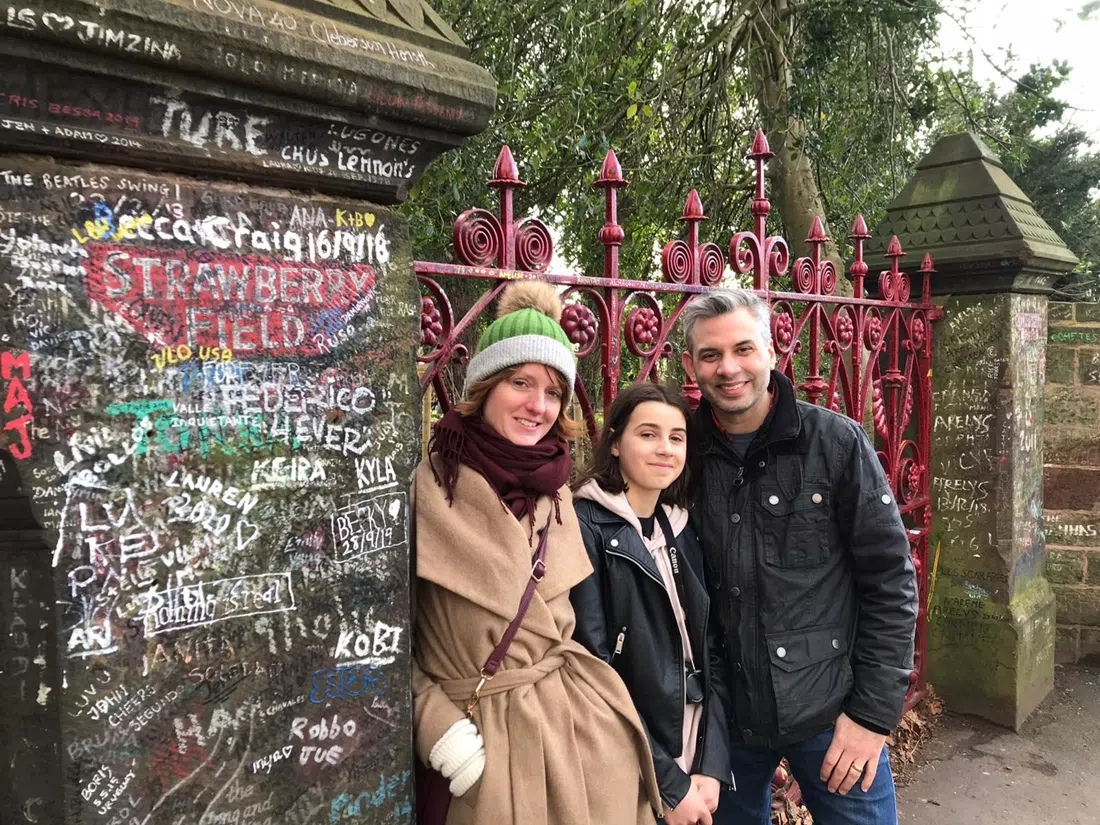
Walk Liverpool (city centre departures) is the quieter alternative: deliberately small groups of six to eight, run on a free/tip-based model with private group tours available for larger parties at roughly £15-20 per person. Because it's locally run and smaller than the big-platform coach tours, guides tend to talk naturally rather than recite a memorised script, so slang slips in unprompted rather than being flagged as a fun fact. Book the private option if there are more than eight in the party; the open tours fill fast through summer weekends.
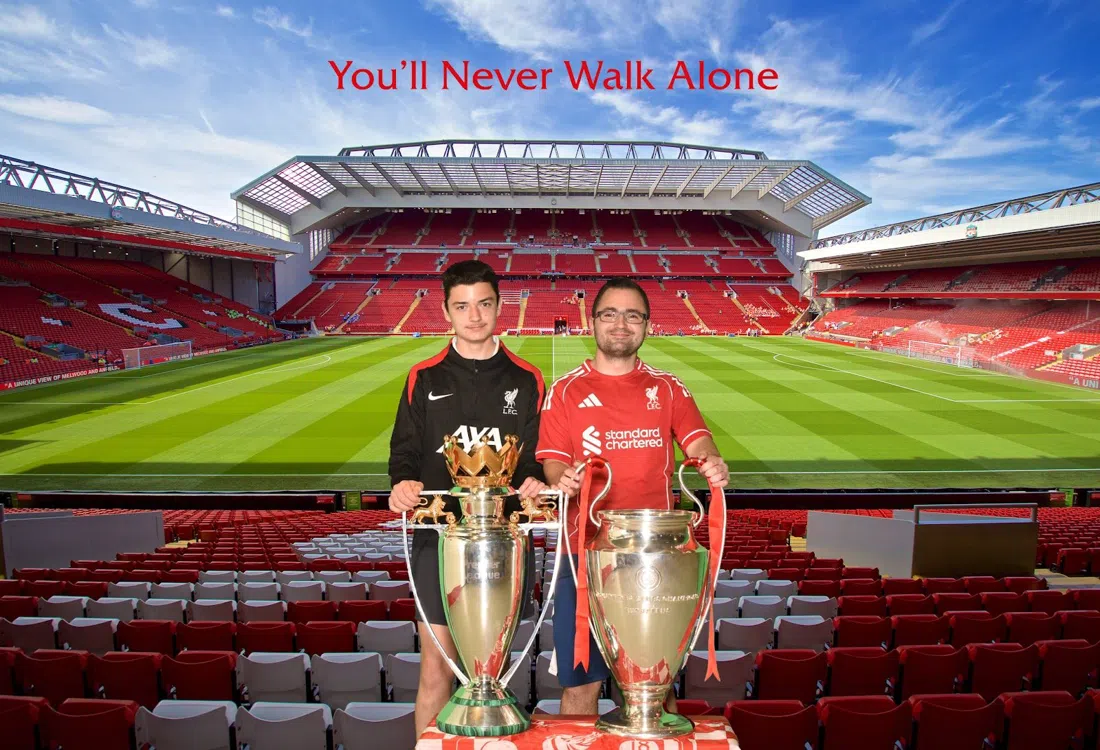
Anfield Stadium Tour (Anfield) runs daily on non-matchdays, is prebookable, and costs roughly £25-30 per person including the LFC Museum, with group tickets available for larger parties. It's not primarily a language stop, but terrace chants and matchday commentary are Scouse at its most unguarded and passionate, and the tour is a legitimate, currently running way to stand inside that atmosphere without needing an actual match ticket, which sell out and resell for far more than the tour ever costs.
The museum that explains the why
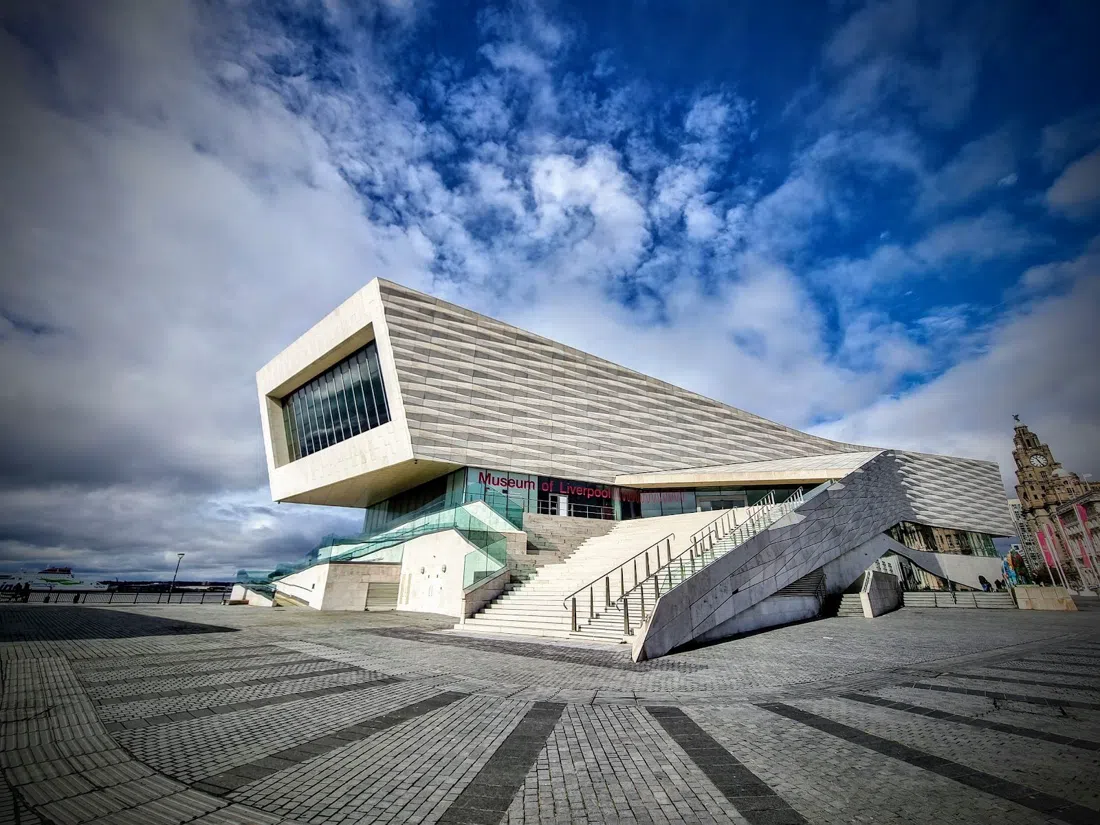
Museum of Liverpool (Pier Head, waterfront) is the one stop on this list that isn't about overhearing the accent but understanding where it sits in the city's sense of itself. Its People's Republic gallery is built specifically around what it means to be Liverpudlian (identity, migration, class, football, music), and it's free, needs no booking, and takes groups easily, including school and coach groups on a normal weekday. It's worth doing early in a trip, before the pubs and tours, so the slang and the pride behind it have some context by the time it's heard in the wild rather than arriving as an unexplained punchline.
A short glossary before you go
A handful of words come up constantly and are worth knowing before they're thrown at you mid-conversation. Scouse itself is both the accent and the stew it's named for, and Scouser is simply someone from the city. La, as in "alright, la," is an all-purpose term of address, roughly equivalent to "mate" or "friend," used regardless of who's being spoken to. Boss means excellent, not a job title. A good pint is boss, a bad one isn't. Made up means delighted, not fabricated, so "I'm made up for you" is a compliment, not a doubt. Sound covers agreement or approval on its own. "That's sound" means that's fine, no argument. And cracke, preserved in Ye Cracke's name, is an old word for a narrow alley or passageway rather than anything to do with the pub's atmosphere. None of it is performed for visitors in the pubs and tours above; it's simply how the city talks day to day, which is the entire point of listening for it rather than reading it off a menu.
Getting there, timing it, and what it costs
Liverpool's city centre is compact enough to cover most of this list on foot: Hope Street to the waterfront is a 20-25 minute walk, and Mathew Street to Bold Street is closer to 10 minutes. Anfield and Homebaked Anfield are the outliers, roughly 25 minutes from the centre by bus or taxi (about £8-12 each way), so it's worth pairing the stadium tour and the bakery in one trip out rather than doubling back across the city on separate days.
Cash still gets used in the older pubs out of habit, though every venue on this list takes cards; it's still worth carrying some for tips on the taxi and walking tours, where it's expected but never demanded. Evenings from Thursday to Saturday are the loudest and busiest across the city centre (best for atmosphere, worst for actually catching individual words in a conversation), so if the goal is genuinely following the accent rather than just soaking in a scene, weekday afternoons and early evenings work better. A realistic day covering three or four stops from this list, food included, runs somewhere between £40-70 per person depending on how many tours and shows get booked in. For a base within walking distance of most of the venues above, start with a Liverpool hotel search, and for the rest of the city beyond the accent and the pubs, the Liverpool guide covers the wider trip.