
Liverpool sold its nineteenth century to the cameras because it never got round to demolishing it. The soot-black warehouses at Stanley Dock, the sandstone bulk of St George's Hall, the stucco terraces climbing away from Hope Street: none of it was tidied into pastiche, so when a production needed flat caps, razor talk and a wet cobbled yard, it came here and filmed the real thing. What the series borrowed, the city already had. The Cornermen, the High Rip, and the dock-end poverty that produced both.
Start with the poverty, not the flat caps
Museum of Liverpool (Pier Head, on the waterfront) is free, needs no booking and opens Tuesday to Sunday, 10:00 to 17:00. Give it forty-five minutes to an hour before you take any walking tour, not after. The People's Republic gallery supplies the context every other guide on this list assumes you already have: court housing, the sectarian street fighting that ran up and down the north-end streets, and the conditions that produced the Cornermen, the corner-standing gangs whose killing of a dock porter in Tithebarn Street in 1874 filled the national papers for a month. The High Rip, the north end's gang of the 1880s, came out of the same streets and the same dock economy. Once you have seen the housing, the gangland lore stops sounding like costume drama and starts sounding like arithmetic.

It is also the stop with no friction in it. Free entry, no timed ticket, big galleries, so a party of twenty can walk in at noon and nobody flinches.
Four walks and what each one is for
The city runs four serious walks on this theme and they are not interchangeable.
Peaky Blinders Walking Tour of Liverpool City Centre (city centre, working through the Georgian Quarter) is the benchmark, and the one competing operators measure themselves against. Four hours, more than fifteen filming locations across the Georgian Quarter, the Cathedral and Cains Brewery, a drink included in a themed pub at the end, and a 48-hour hop-on-hop-off bus pass bundled into the ticket. Public departures run Saturdays at 10am from March to November, £25 an adult, walk-ups accepted, but the Saturday slot fills and booking ahead is the only sane approach. Private departures go daily at 9.30am and 2pm for one to fifteen people at £450 to £1,350 for the group, which means a stag party or a family reunion can buy out the whole thing and set its own pace. Be honest with yourself about the four hours. This is a screen tour first and a history tour second, and it involves a great deal of standing still.

Liverpool True Crime Tour (meets in a city-centre cinema bar) is the opposite trade. Two hours, £20 a head, no television at all: unsolved murders, bootleggers, poisoners and chancers, walked rather than projected. It takes regular scheduled departures and sells private versions openly for hen parties and birthdays, which makes it the cheapest way to put ten people on a proper crime walk, with a drink already in hand when the guide starts talking.
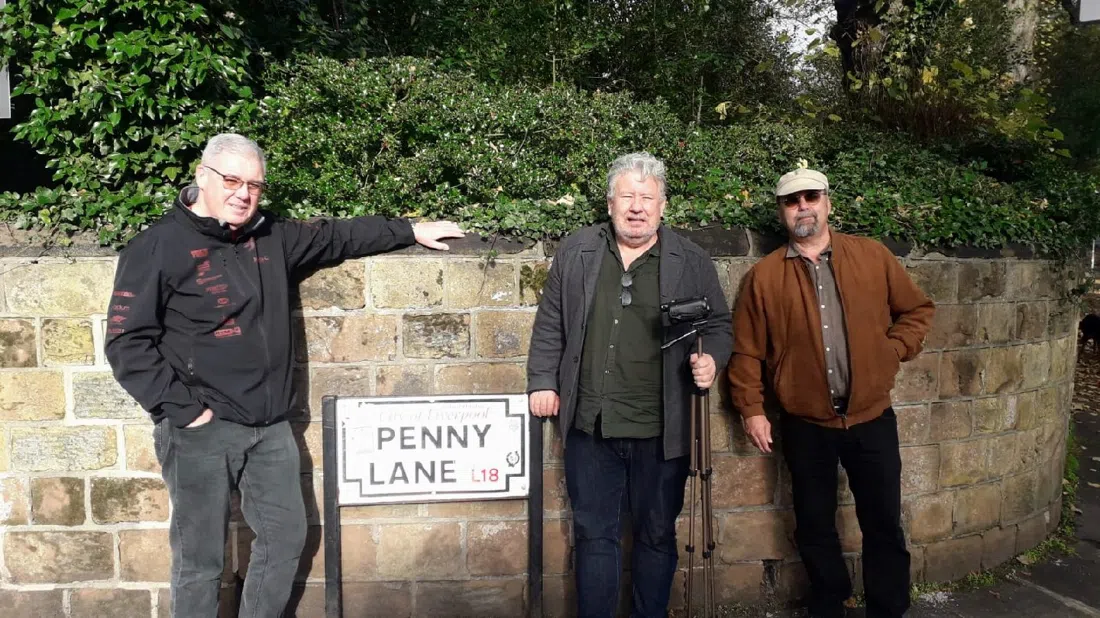
Private Liverpool's Dark Side Tour (city centre, finishing at the waterfront) is the darkest and the most flexible: one flat price of around £130 for up to six people, any date, any time, ninety minutes. It takes in the city's Jack the Ripper claim, the Castle Street witches, the Black Widow Sisters who insured their relatives and then poisoned them, the Main Bridewell and the Water Street hangings, and it finishes standing over the buried Old Dock. For two people it is dearer than a public ticket. For six it is the best value here. If your dates land near the end of October, ask about the Halloween variant.
Shiverpool — Hope Street Shivers (Hope Street and the Georgian Quarter) is theatre rather than a man with a clipboard, and it is good theatre: ninety minutes taking in William Mackenzie's pyramid tomb on Rodney Street, the derelict Wellington Rooms and both cathedrals. £19.50 adult, £18.50 concession, £35.50 for the premium ticket with a ghost map and pin, plus a 6% booking fee. Thursday to Sunday, 7pm from autumn through spring and 8.30pm in summer, with bespoke private departures available. Families are welcome and partner bars discount the round afterwards, which keeps a group in one place. One caveat worth taking seriously: the route is steep and cobbled in stretches, so anyone with bad knees should know that before they pay.

Where the folklore stops and the court record starts
St George's Hall (St George's Plateau, directly across the road from Lime Street station) is where the theme stops being anecdote. The Clink & The Court tour costs £15 and takes you into the real holding cells, the real dock that prisoners stood in, and the Great Hall upstairs, the concert hall used for Grace's death scene in series three. The Heritage Centre runs Tuesday to Saturday, 10:00 to 16:00, and larger parties should book a slot rather than turn up hopefully.
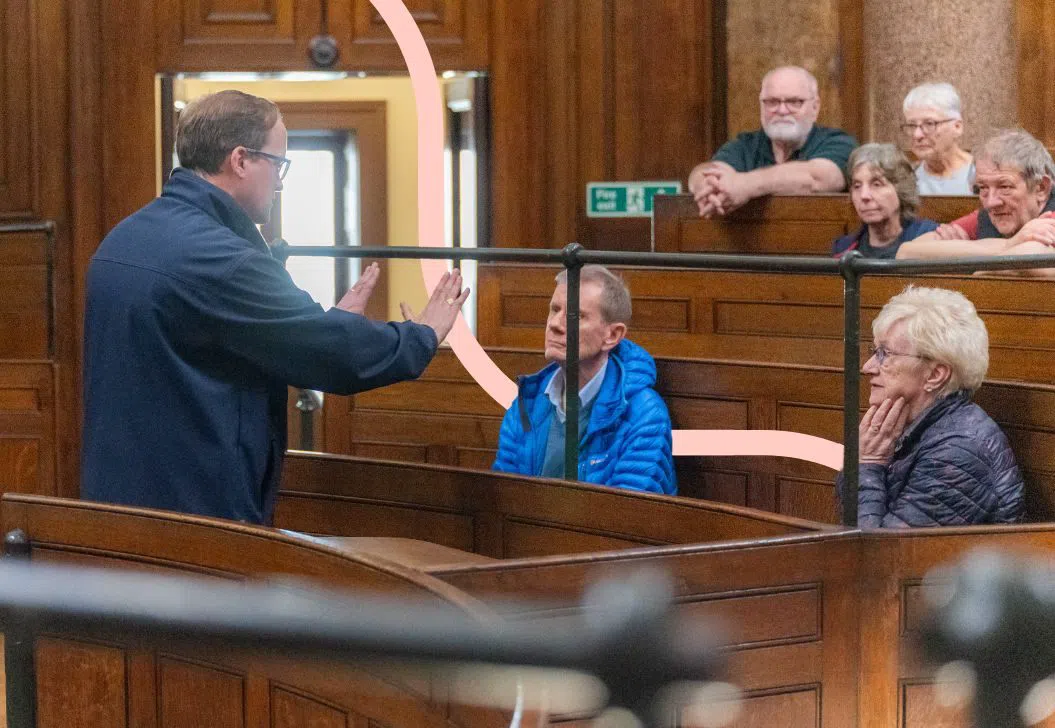
It is also the room where the crime stories on the walking tours were actually resolved. Florence Maybrick was tried in the crown court here in 1889 for poisoning her husband James, a cotton merchant whose name is the one attached to the city's Ripper claim, so the building holds both the courtroom theatre and the loose end. Fifteen pounds for the actual rooms is the best value on this list by some distance.
Three ways under the city
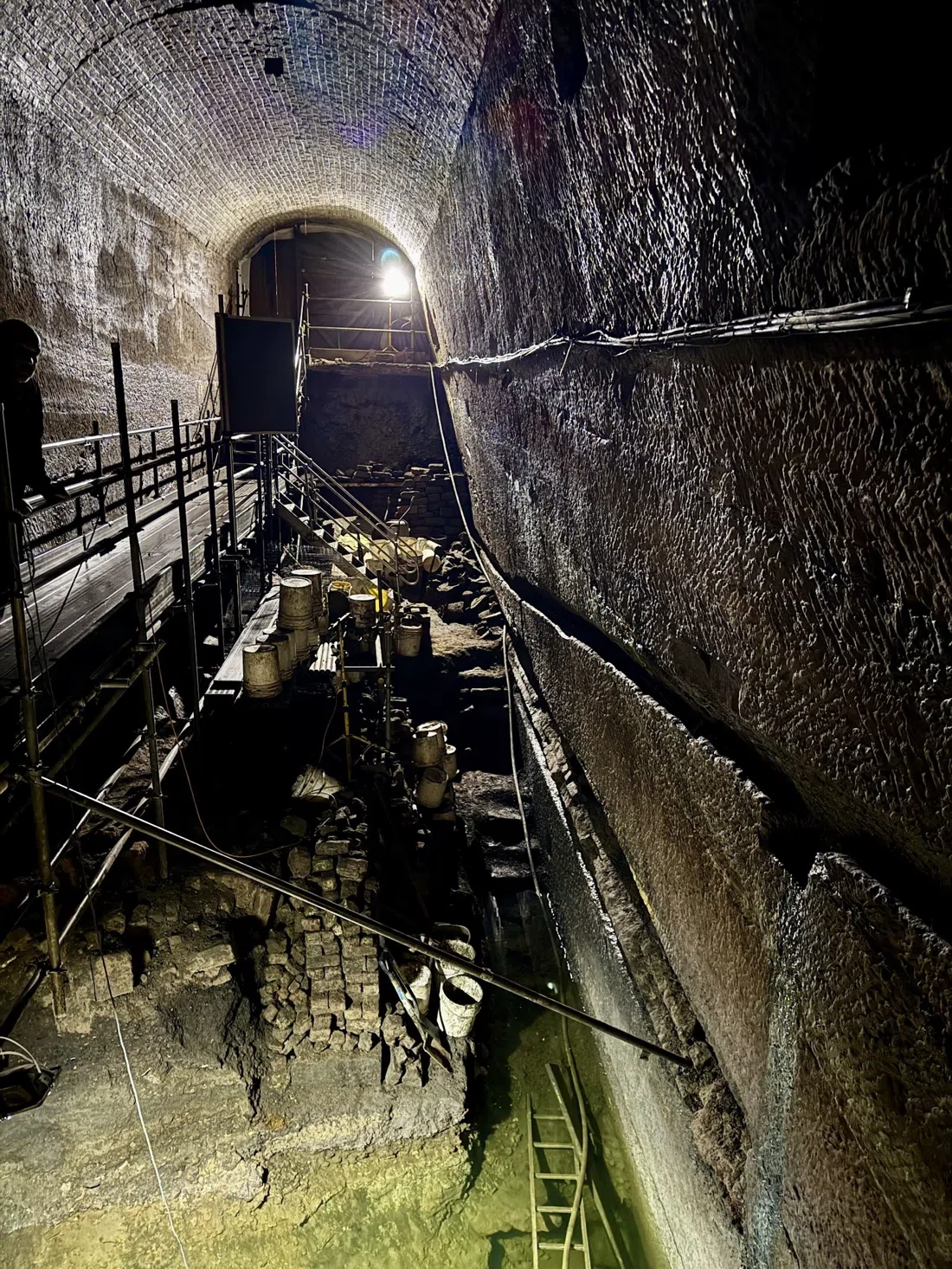
Williamson Tunnels Heritage Centre (Edge Hill, about twenty-five minutes' walk from the centre or one stop on the train from Lime Street) costs under £10 including the guided tour, and tours are the only way in: hourly, forty-five minutes, Friday to Sunday only, 10:00 to 16:00. Joseph Williamson, a tobacco merchant, spent the early nineteenth century paying men to excavate chambers under his land and never explained why, and it is still only partly dug out. The chambers are small and capacity is tight, so a group must ring or book online. No gangsters down here, but nothing else in the city feels this genuinely subterranean and unresolved.
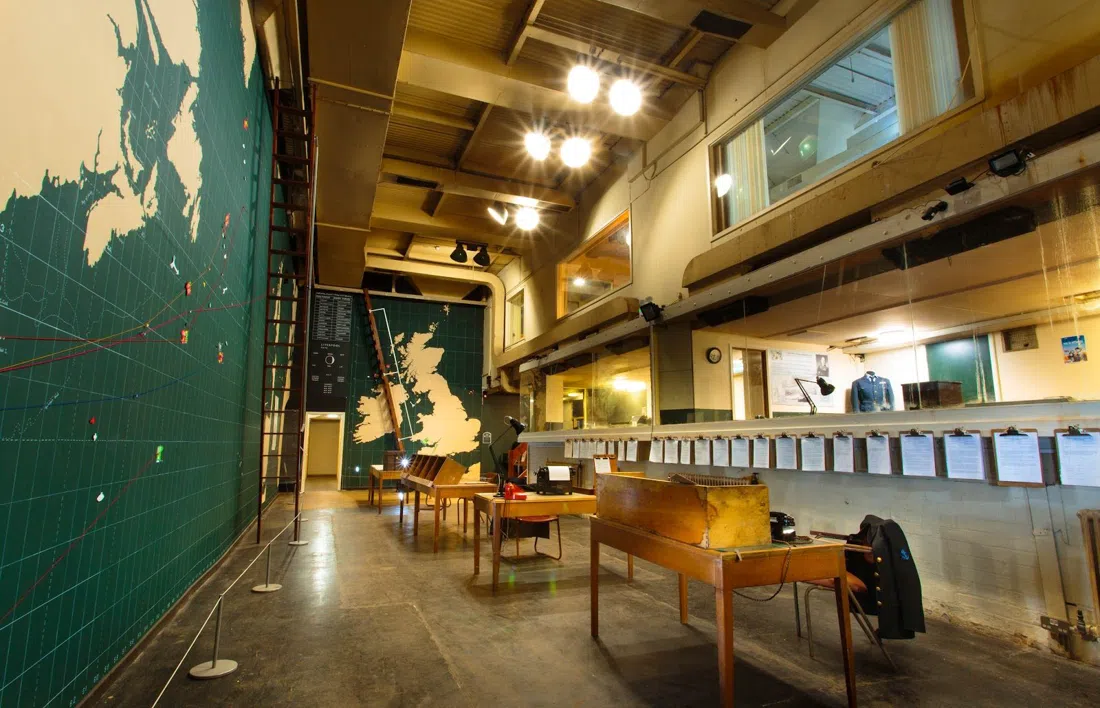
Western Approaches HQ (Rumford Street, in the business district, five minutes from the Town Hall) is £14.50 adult, £8.50 for children 5 to 16, under-fives free, and the ticket doubles as an annual pass. Open seven days, 10:00 to 17:00, last entry an hour before close, self-guided. This is no reconstruction. It is the sealed bunker from which the Battle of the Atlantic was fought, shut up after the war and left for forty years. Allow ninety minutes; the map room holds obsessives for three hours. Because it is self-guided, a group can spread out and re-form at the exit, which makes it the easiest indoor stop to organise for awkward numbers.
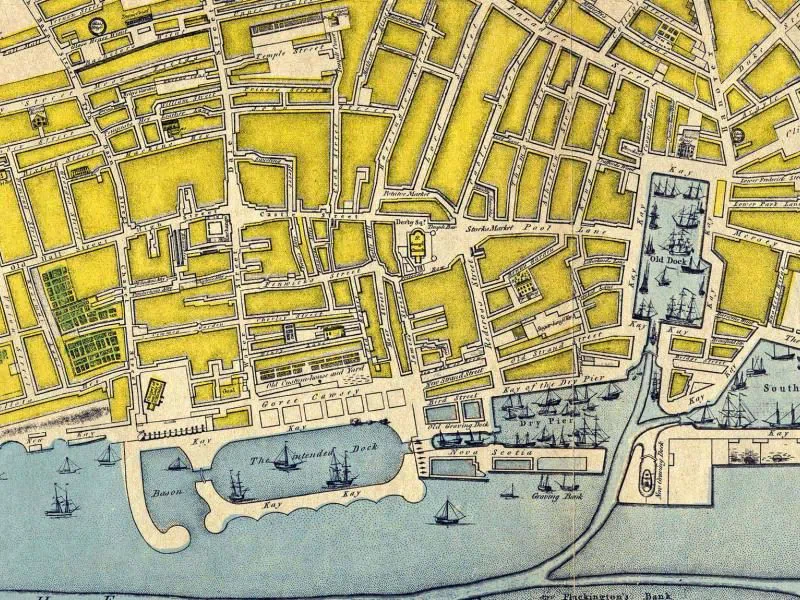
The Old Dock Tour (meet outside the Pump House pub, Royal Albert Dock) runs small capped tours on Wednesdays and Fridays plus alternate Thursdays and Saturdays at 10.30am, midday and 2.30pm, £15 adult and £5 child, up to an hour. The world's first commercial enclosed wet dock, rediscovered in 2001 and left in place beneath the shopping centre built over it. This is where the slave-trade money that paid for the Georgian terraces you walked past actually landed, and hearing that said underground, in a brick chamber, does something no plaque manages. It is still running normally despite the Maritime Museum's closure. Groups get no priority, so book the same slot as everyone else and book it early.
The scar the city refused to repair
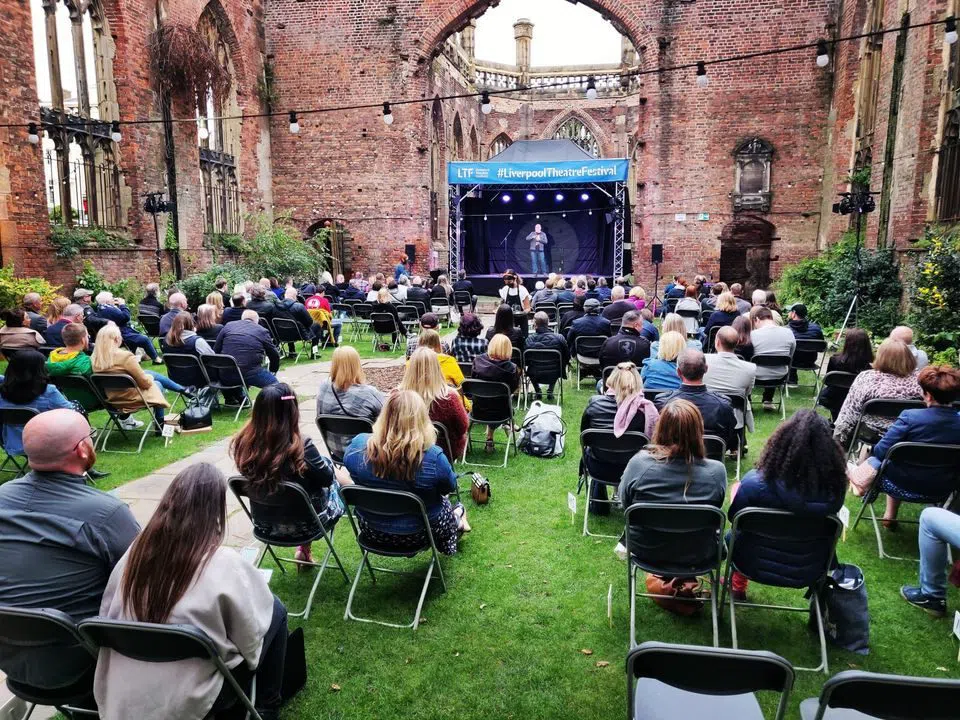
St Luke's Bombed Out Church (top of Bold Street) was gutted on the night of 6 May 1941 during the May Blitz and deliberately left roofless rather than rebuilt. Wandering the ruin is free, typically Thursday to Sunday, 10:00 to 16:00, when nothing is booked. That caveat matters, because weddings and ticketed events close it without notice. Check the what's-on page before walking up the hill. The beer festival, the markets and the candlelight concerts are explicitly group events, roughly £15 to £40, and are worth timing a trip around.
Drinking the theme without embarrassing yourself
The Bridewell (Campbell Square, a backstreet off Argyle Street) is the most literal version of the idea in the city: a Grade II listed nineteenth-century police station where the cells are now booths and you drink inside them. Open midday to midnight daily, cask ale and a serious whisky list, roughly £5 to £6 a pint. The cell booths seat a handful of people beautifully and a coachload disastrously, so keep it to a dozen.
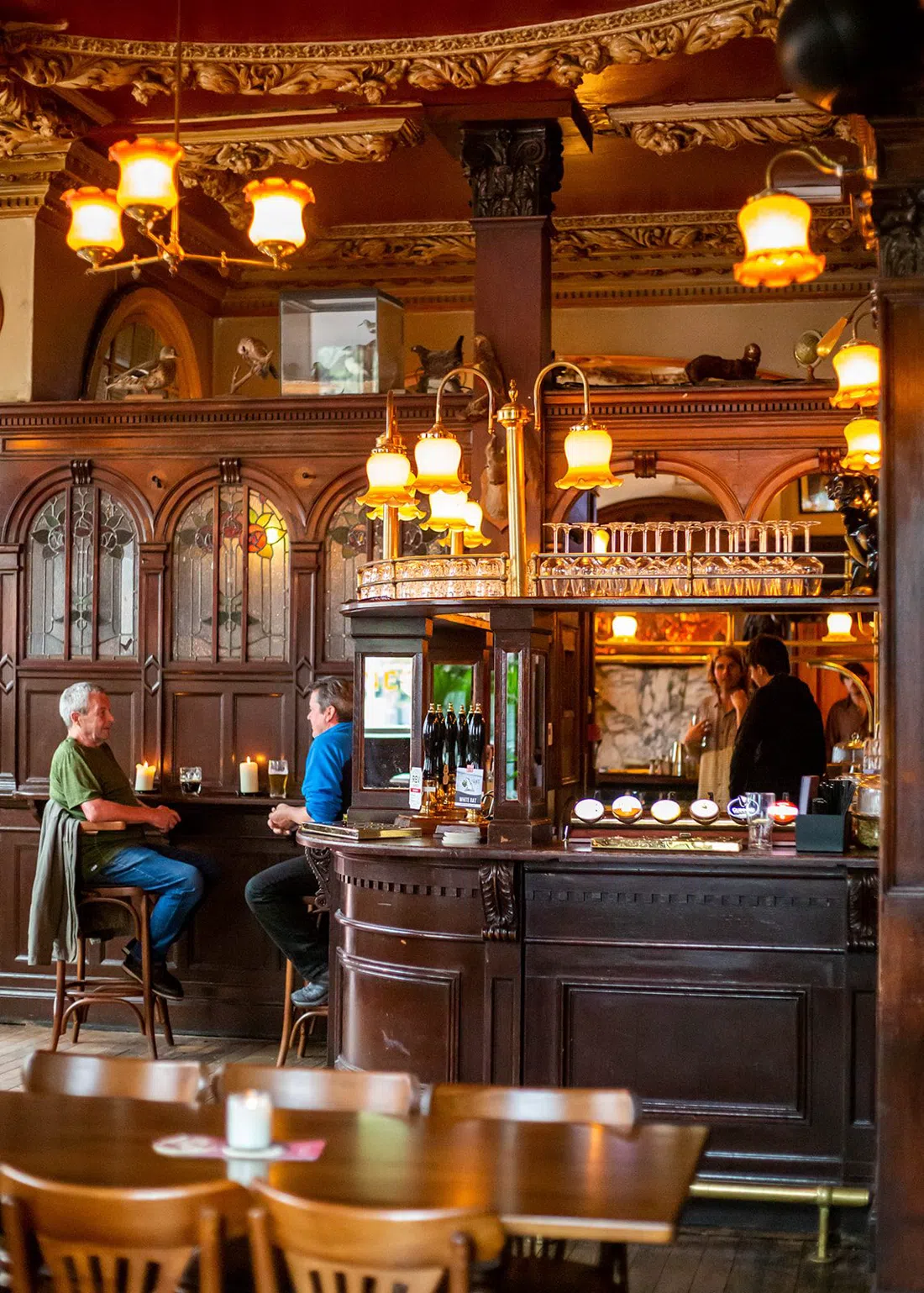
The Vines (Lime Street, opposite the station), known locally as the Big House, has the finest interior here. Grade II* and rebuilt in 1907 for the brewer Robert Cain on the strip that gave the city its hardest reputation, sailors off the ships, the Lime Street trade, all of it. The 1936 Pub Company restored it and CAMRA gave it the Historic England Conservation Award in 2024. The Big Room absorbs a large party without strain, it is open noon to 1am Sunday to Thursday and to 2.30am on Fridays and Saturdays, and there are rooms upstairs. Standard prices, around £5 to £6 a pint.
Berry & Rye (Berry Street, on the edge of Chinatown) is the prohibition bar done properly rather than as decoration: no sign, a doorperson, one small room, cocktails at £12 to £14, open 5pm until late seven nights. Knock, get shown in, order an Old Fashioned and talk quietly. Two to six people is the size that works; a stag party will be turned away at the door and should be. It is the one venue on this list that actively does not want your group, and it is better for it.
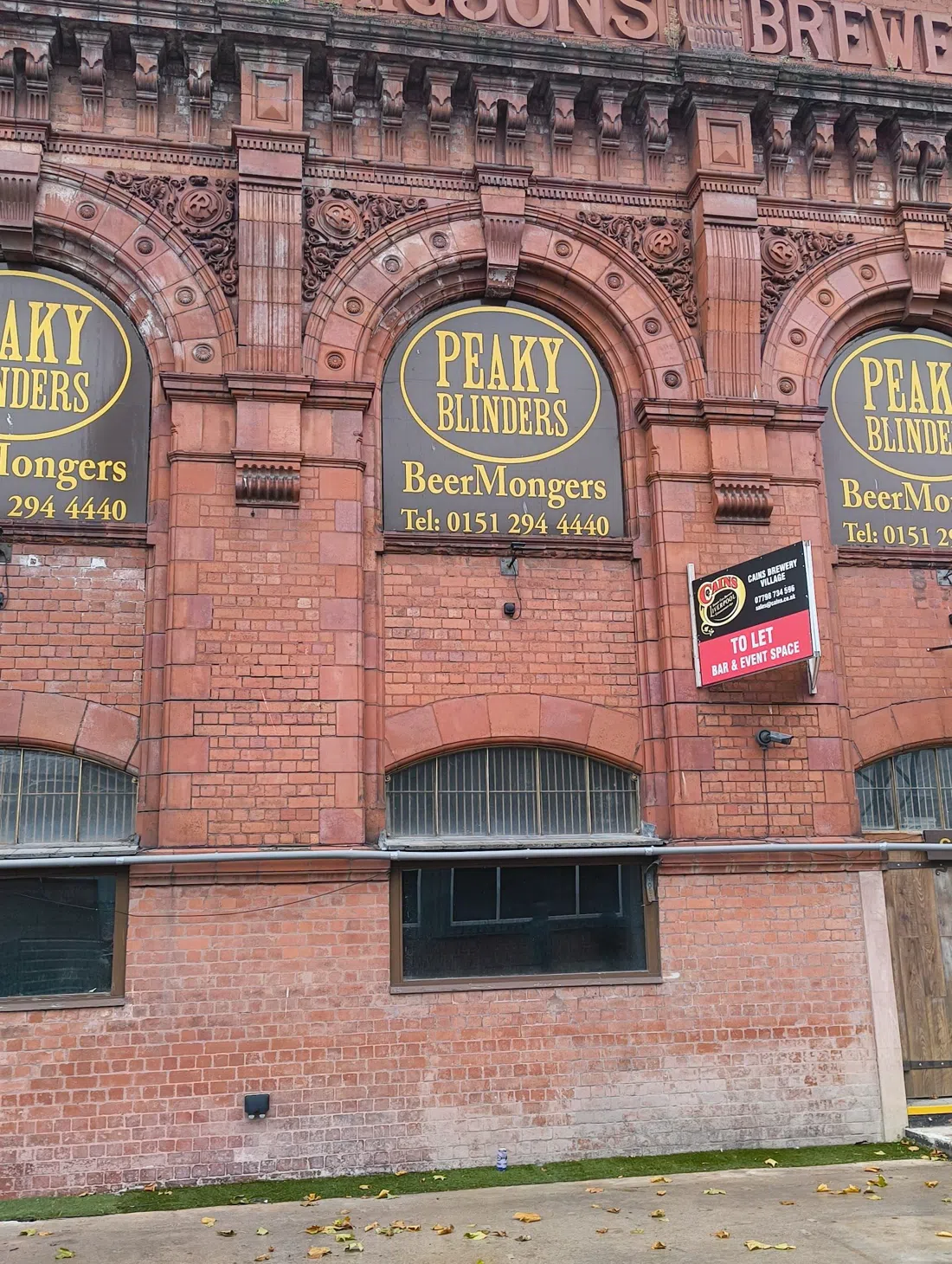
Peaky Blinders Bar Liverpool (Cains Brewery Village, Stanhope Street) is the other extreme and makes no pretence otherwise. Noon to midnight Sunday to Thursday and to 1am on Friday and Saturday, live music Thursday to Sunday, outdoor seating, drinks at £6 to £8, with Baltic Market, Ghetto Golf and Bongo's Bingo in the same complex. It is a theme bar rather than a heritage site, but it is where the walking tours end, it delivers exactly what visitors came for, and twenty people are nobody's problem. Look up while you are in it. The building is a rescued Grade II listed brewery, and that is the genuinely impressive part.
Sleeping inside a filming location
Titanic Hotel Liverpool & The Rum Warehouse (Stanley Dock, about thirty minutes' walk north of the centre or a short cab) is the only way to actually sleep inside one of the locations. Stanley Dock is where the series-one showdown with Billy Kimber's gang was shot, and the warehouses around you are the real thing rather than a set. There are 153 rooms, typically £120 to £180, Stanleys Bar & Grill on site, and the 789m² Rum Warehouse with seven event spaces that run full banquets. A party of thirty is routine here, which is not true of anywhere else on this list.
The trade-off is the walk. The dock road at night is long, dark and not especially interesting, so budget for cabs both ways or accept the thirty minutes. If you would rather be able to walk home from Bold Street, price it against the city centre on Liverpool hotel search.
One long day on foot, in order
Start at St George's Hall, two minutes from Lime Street, and take the 10:00 tour of the cells and the court. Walk down Dale Street to Western Approaches in about ten minutes and give the bunker ninety. Carry on to the waterfront in another twelve for the Old Dock tour at 2.30pm, then double back up to The Bridewell for a pint in a cell, ten minutes, mostly flat. From there it is ten minutes up Bold Street to St Luke's, and another eight uphill to Hope Street for an evening ghost walk at 7pm. That is roughly four miles in total with three tickets in it, and every leg is walkable in ordinary shoes except the Hope Street gradients.
A second day is easier: the Museum of Liverpool in the morning, the train out to Edge Hill for the tunnels, then Cains Brewery Village in the late afternoon for the theme bar and whatever else in the complex the group will tolerate.
Getting around, paying and picking your days
The centre is compact and almost everything here is within twenty-five minutes on foot. The two exceptions are Edge Hill for the tunnels (one stop on the train from Lime Street, or a brisk twenty-five-minute walk) and Stanley Dock, which is a thirty-minute walk or a short, cheap cab.
Days of the week matter more than the season. The tunnels open Friday to Sunday, the Old Dock runs Wednesday and Friday plus alternate Thursdays and Saturdays, St Luke's is usually Thursday to Sunday, the ghost walks run Thursday to Sunday, and the public Peaky Blinders departure is Saturdays only, March to November. A Thursday-to-Sunday trip catches all of it. A Monday-to-Wednesday trip catches St George's Hall, Western Approaches, the museum and the pubs, and almost nothing else, which is fine if you know it going in and miserable if you don't.
Budget around £65 per person for a full day of admissions (the true crime walk, the St George's Hall cells, Western Approaches and the Old Dock), plus drinks at £5 to £6 a pint or £6 to £8 in the theme bar. Groups of six or more should do the maths on the private options instead: the flat-rate dark-history walk and the private film tour both work out cheaper per head at size, and they let you pick the hour. Cards work everywhere, including the smallest tour operators, though guides appreciate cash tips. Bring shoes that cope with cobbles and a hill, and a coat that copes with rain arriving sideways off the river. For neighbourhoods, restaurants and the rest of the city, see the full Liverpool guide.