
Liverpool keeps its best indoor hours in rooms that were built for something else. A basement in the old exchange district that ran a war at sea, the first block of a new red-brick university, a portrait photographer's house on the street where the city's doctors kept their consulting rooms: none of them were designed to be visited, and that is why they hold up. Several are underground, most can be seen properly in an hour, and a good half of them cost nothing at all.
Three ways to get under the pavement
The city dug for war, for trade, and in one case for no stated reason at all. All three excavations are open to visitors, and they sit far enough apart on the map that you should treat them as separate outings, not one heroic afternoon.
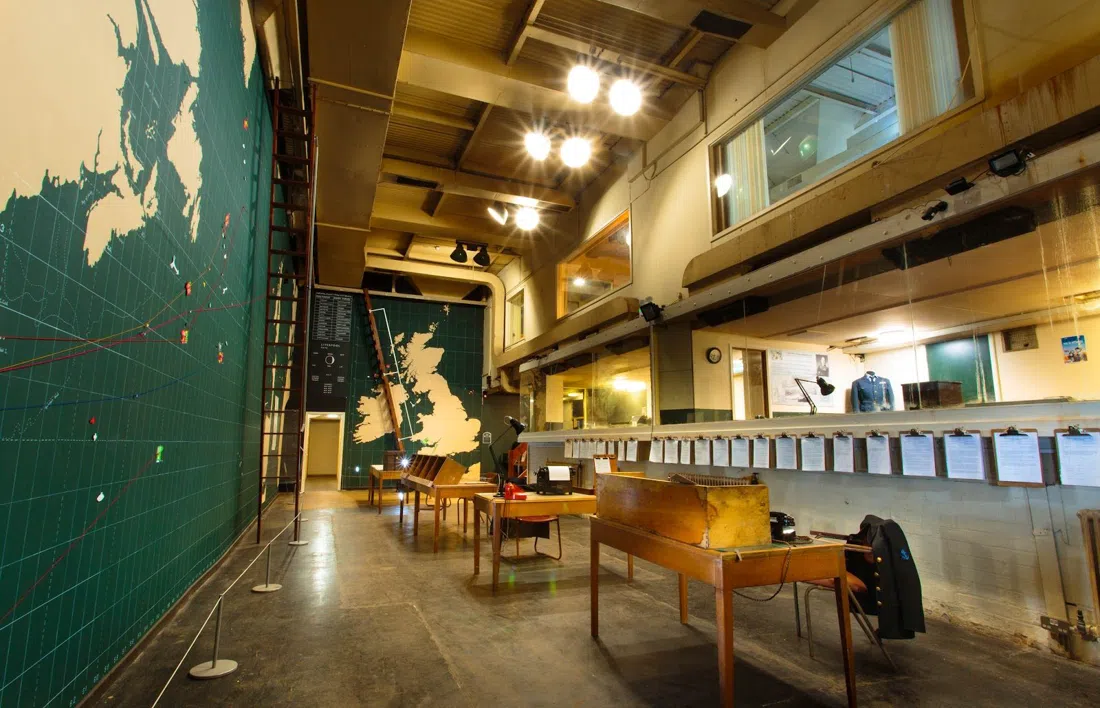
Western Approaches Museum (Rumford Street, a few minutes' walk behind the Town Hall) is the one to do properly. This was the command centre for the Battle of the Atlantic, a reinforced warren buried under a plain office block, sealed up in 1945 and barely altered afterwards, so what you walk through is the real thing and not a reconstruction of it. The self-guided route takes 75 to 90 minutes and there is no honest short version; it is a large site and it rewards reading. It is genuinely cold down there whatever the weather upstairs, so carry a layer even in summer. The adult ticket, around £14.50 with children about £8.50, doubles as a twelve-month return pass, which matters more than it sounds if you are the sort of visitor who comes back. Groups are well handled: a guided tour costs roughly £75 per group of up to 15 on top of entry, booked in advance.
Williamson Tunnels Heritage Centre (Edge Hill, uphill and about a mile out from the Lime Street end of town) is the strange one. Joseph Williamson, a tobacco merchant with money and some private compulsion, had labourers cut an enormous network of brick-arched tunnels and chambers under this part of the city in the early nineteenth century, and nobody has ever settled the question of what they were for. The centre is run by a volunteer charity on a short Friday-to-Sunday week, with hourly tours lasting about 45 minutes, and every tour has to be pre-booked by phone on 0151 709 6868. At around £5 for an adult and less for concessions it is the cheapest genuinely odd hour in Liverpool. But capacity is small, and arriving on spec after a twenty-minute uphill walk is how people end up standing outside a locked door. Book before you cross town, and check the day as well as the time.
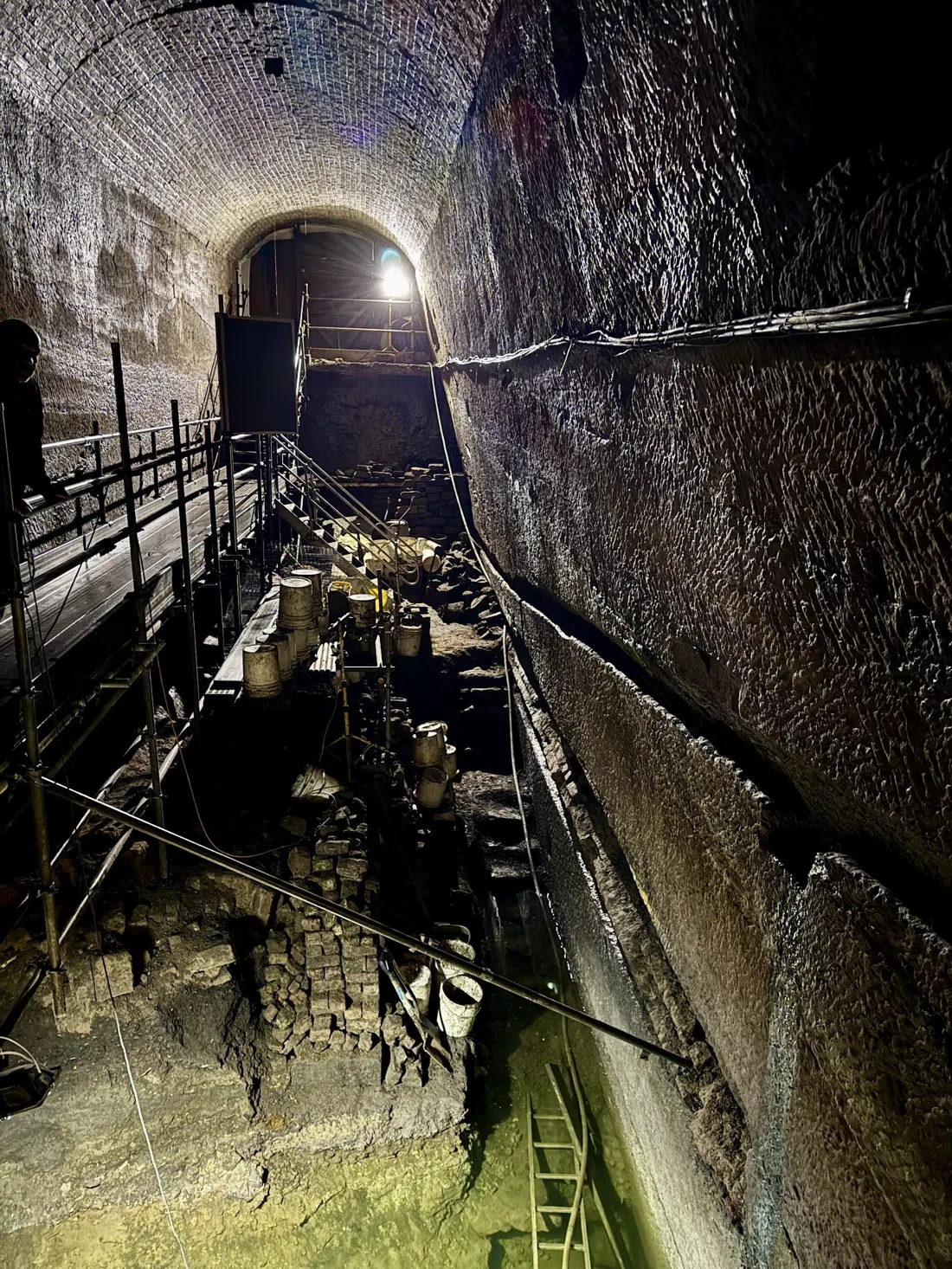
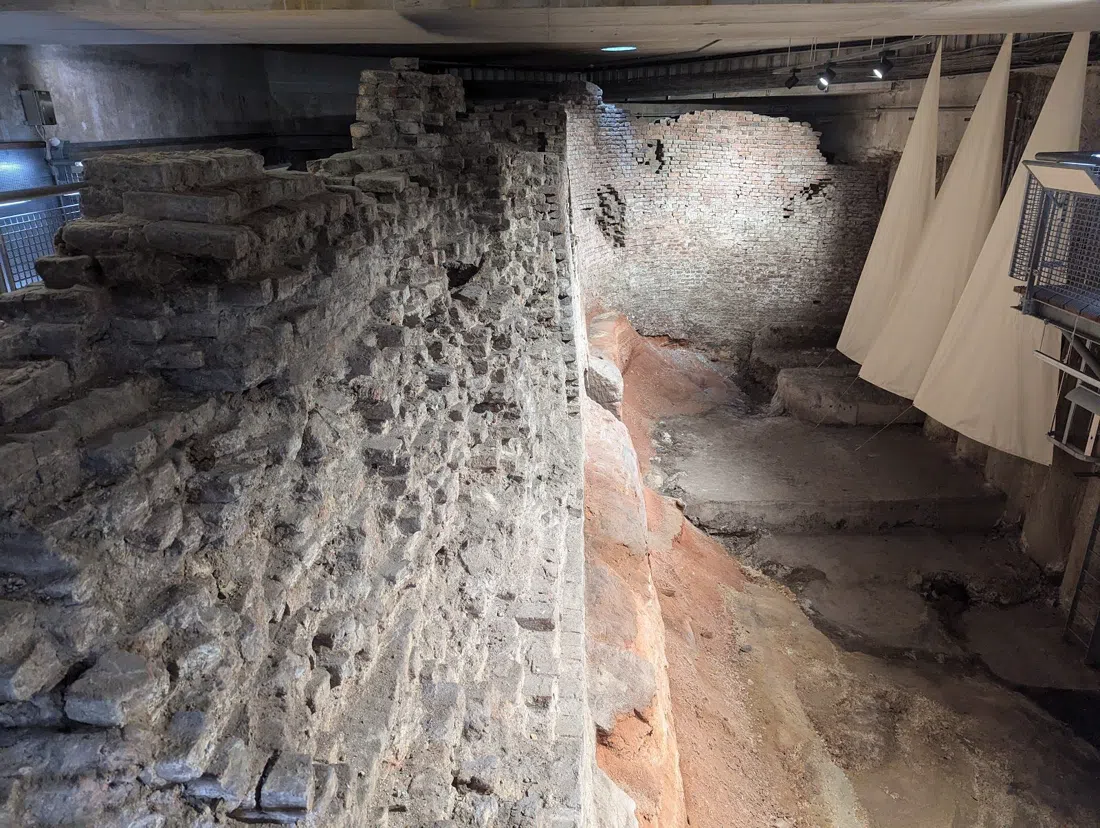
The Old Dock Tour (meeting outside the Pump House pub on the waterfront) takes you down to the thing the rest of the city was built on. The Old Dock was the world's first commercial enclosed wet dock, the piece of engineering that made Liverpool a port rather than a beach with ships on it. It was filled in and built over, and it now sits beneath a shopping centre, reachable only on a booked tour. Tickets are £15 for adults and £5 for children through the box office on 0151 478 4444, which also arranges group discounts for parties of ten or more. There is one wheelchair space per tour, so telephone rather than assume. With the Maritime Museum itself closed, this is currently the way to stand inside dock history instead of reading about it behind glass.
Two rooms that both hold Audubon
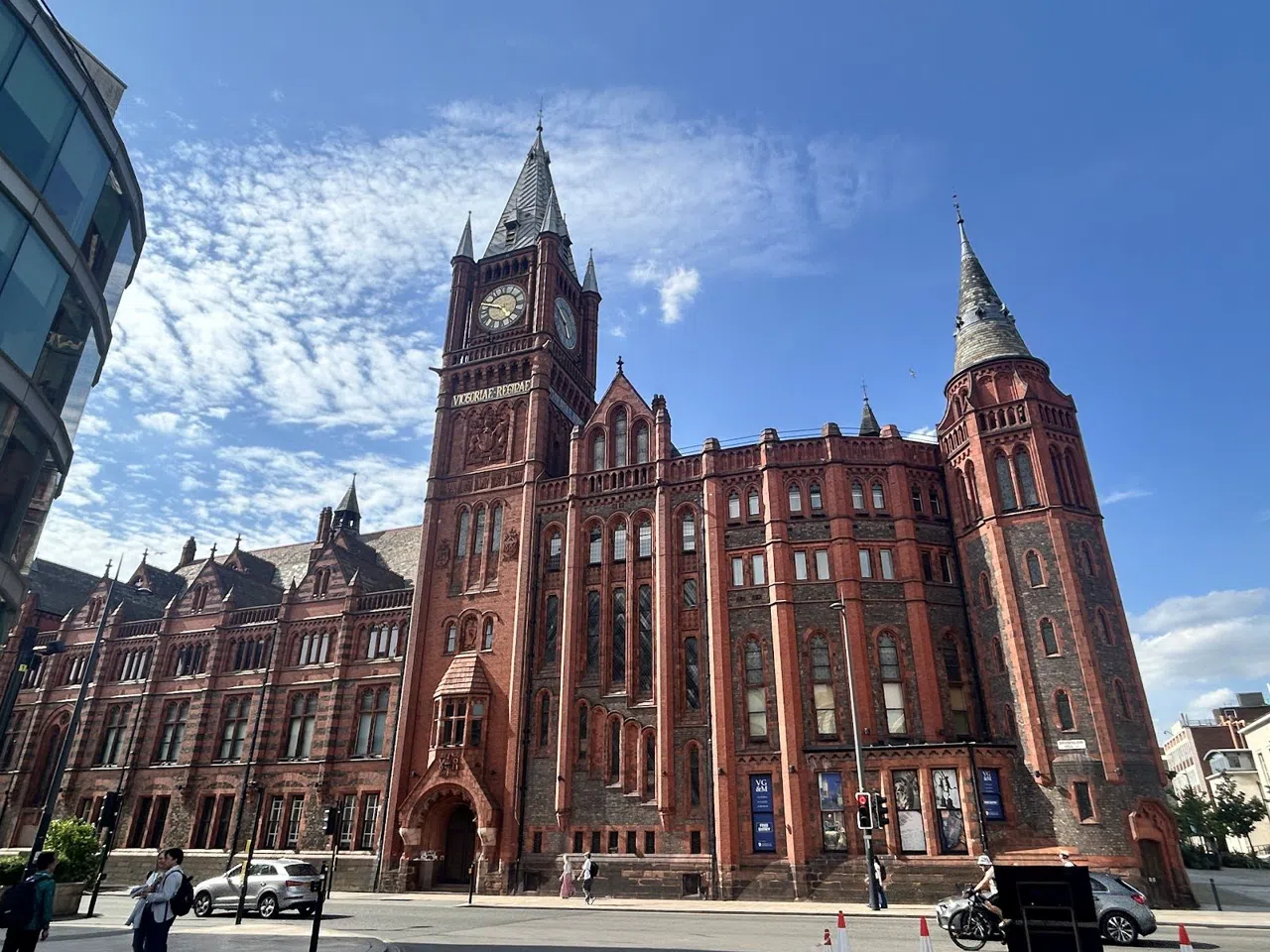
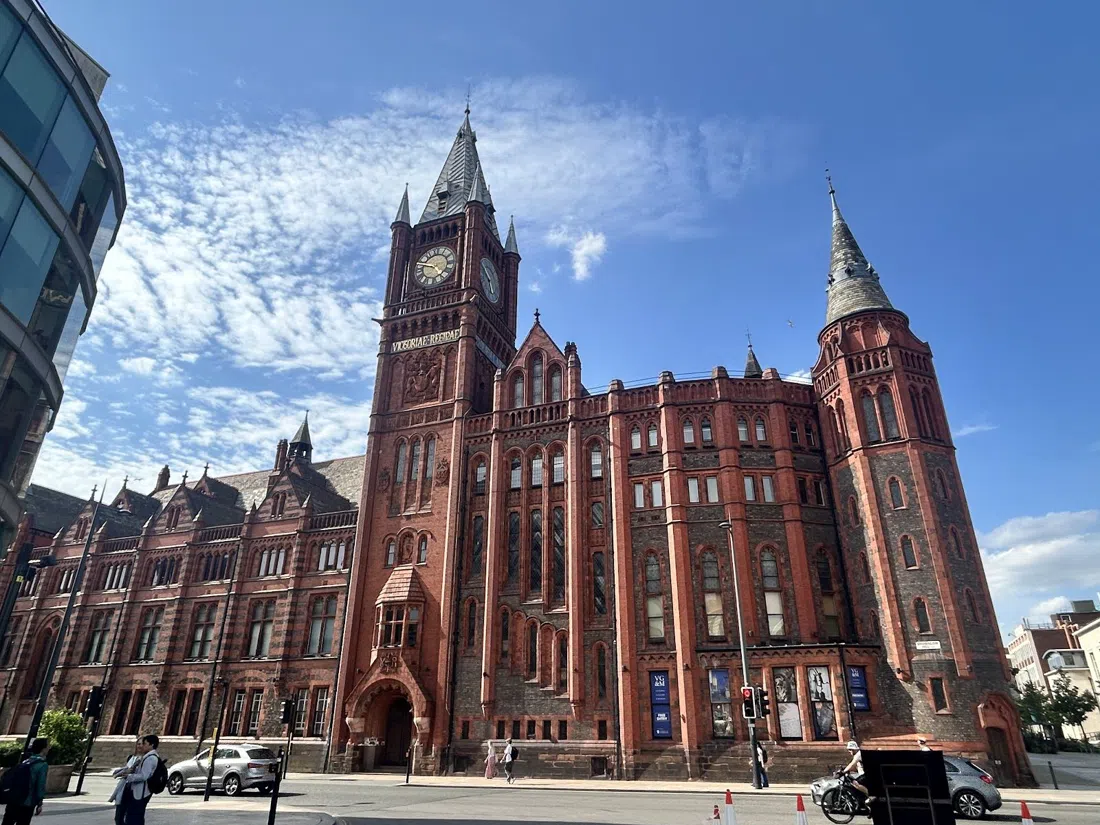
Victoria Gallery & Museum (Brownlow Hill, the tall red-brick tower at the top of the hill) is the original building of the university, and it is free to walk into. One floor holds Audubon's Birds of America, opened at a different plate as the weeks go by. Another gives you a preserved Victorian dentist's surgery and, in Tate Hall, a set of dinosaur footprints, a combination that sounds like a joke until you are standing in front of it. The galleries are compact, which is the one thing to plan around: small groups can simply walk in, but school parties and tour groups should email ahead before turning up fifteen strong. It opens Tuesday to Saturday and is closed on Mondays for maintenance, so it cannot be your Monday fallback.
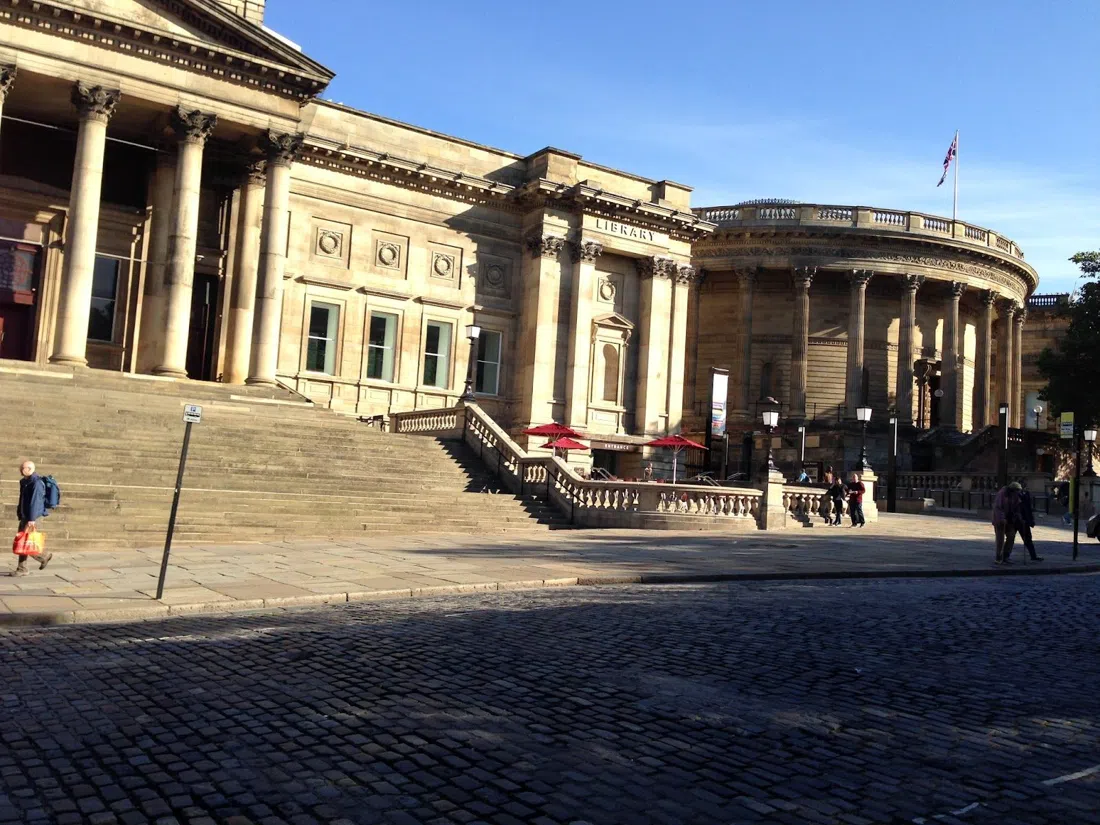
Ten minutes downhill, Liverpool Central Library (William Brown Street) is a working public library concealing one of the finest Victorian interiors in England. The Picton Reading Room is a circular domed chamber that most visitors photograph and then, quite rightly, shut up in. It is a silent study space used by people doing actual work, so keep groups small and voices off. The Hornby Library next to it holds the city's other copy of Audubon, and the building has a free roof terrace that a surprising number of visitors never find. All of it costs nothing. It closes on Sundays.
Two houses that kept everything
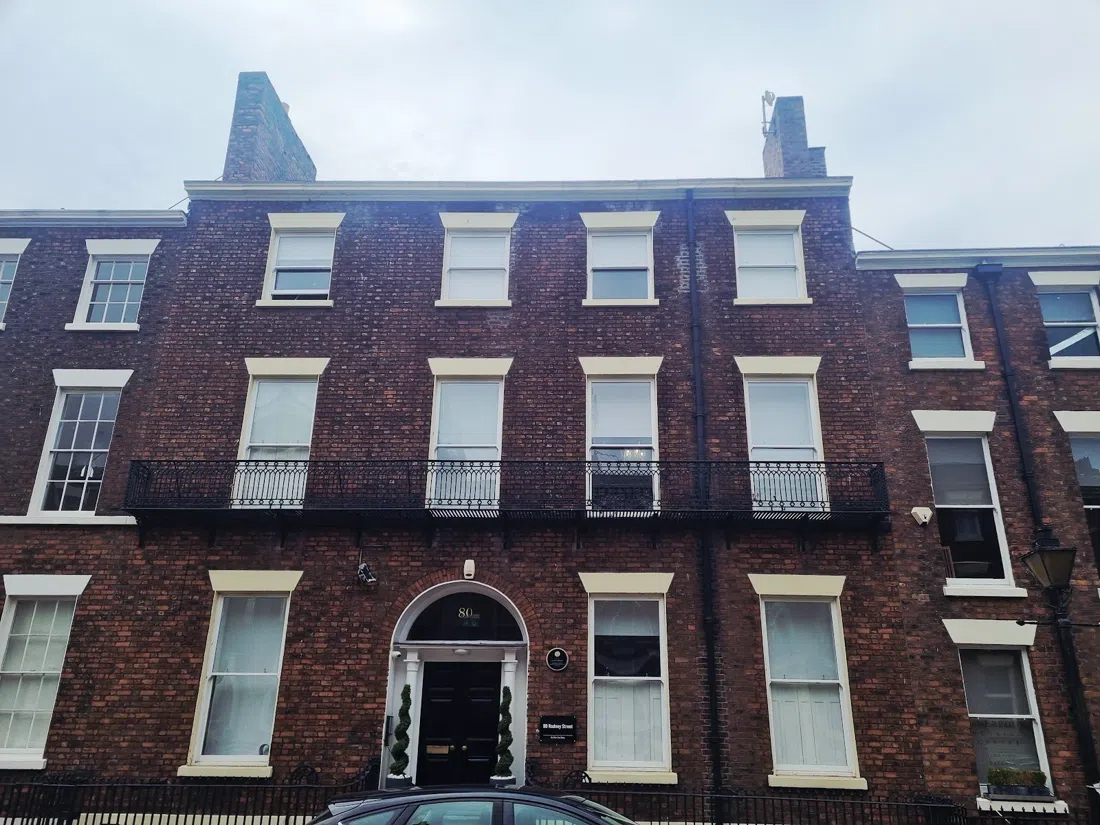
The Hardmans' House (59 Rodney Street, in the Georgian Quarter) is the rarest thing on this list. Edward Chambré Hardman was a portrait photographer, and his studio, his home and his entire photographic output survive together in one building: negatives, prints, darkroom, furniture, the lot. Very few photographers' working lives have come down intact like this anywhere in Britain. It is guided-tour only with small numbers per slot, around £9 for adults and free to National Trust members, and you must pre-book. It is not a venue for large parties. The catch is the calendar: it opens seasonally from March to September, on Fridays and the last Saturday of the month, so check the date before you build a day around it. Treat it as a stop for couples and pairs, not for groups.
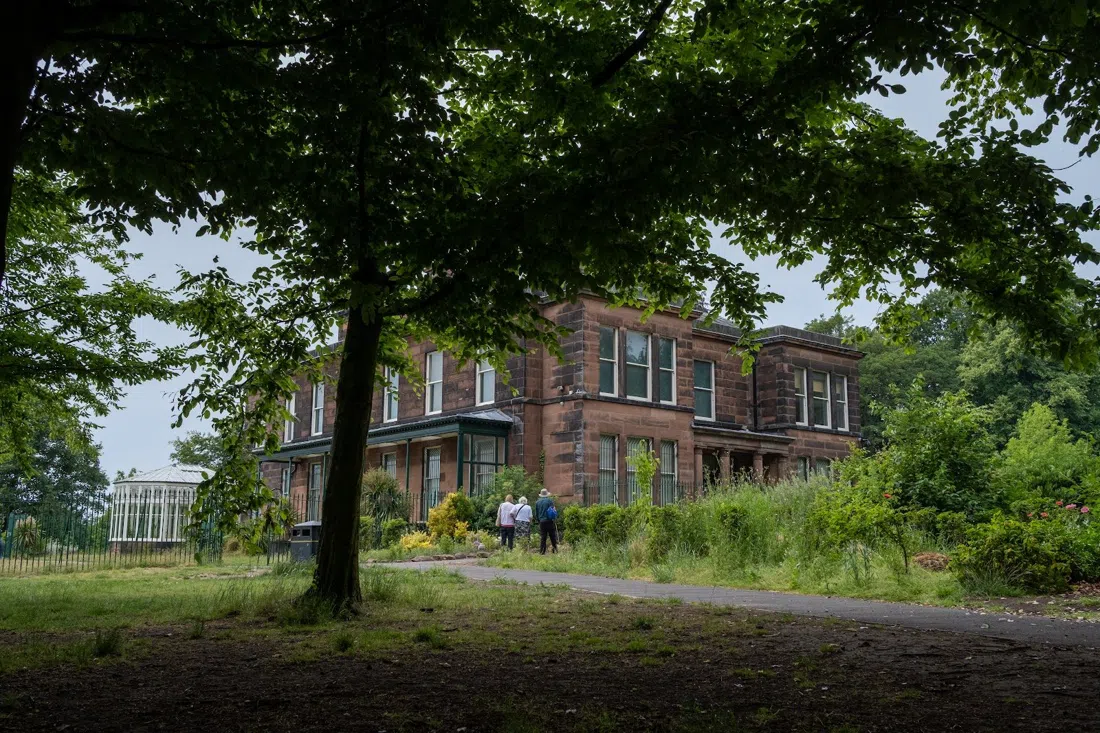
Out in Mossley Hill, Sudley House is a Victorian shipowner's house whose art collection still hangs where it was bought to hang, the only merchant's collection in Britain that stayed in its original rooms. That is what makes it different from a gallery: the pictures are at domestic height, in domestic light, in the order a family chose and not a curator. Entry is free and groups are fine. Ring ahead before travelling out, because individual rooms occasionally close for building work, and it is a long way to come to find the best room shut.
The cathedral nobody finished and the hall that got built
The Lutyens Crypt & Treasury at the Metropolitan Cathedral (Mount Pleasant, at the top of the Georgian Quarter) is the surviving fragment of an enormous unbuilt idea. Edwin Lutyens designed a cathedral that would have been the largest in the world; the crypt is all that was ever completed, and walking its brick vaults you get a sense of scale that the modern cathedral above, striking as it is, does not quite deliver. Tickets are £5 for an adult and £12 for a family from the welcome desk. It opens Monday to Saturday, 10am to 4pm with last entry at 3.30pm, and closes occasionally for events, so larger parties should ring ahead.
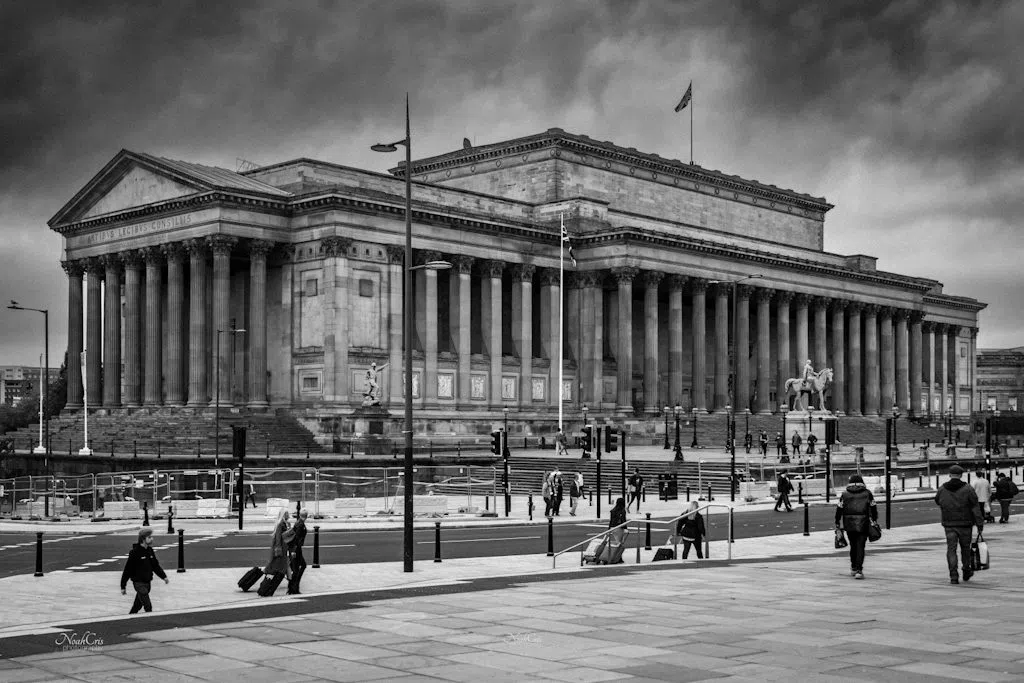
St George's Hall (on the plateau opposite Lime Street) is the counter-example, the thing the city actually finished. Most people come for the Minton tile floor, which is only uncovered for a few weeks each summer, so do not promise anyone tiles outside that window. The half that is interesting all year round is the cells-and-courtroom route, where the Victorian criminal justice system is laid out in the same building as the civic grandeur, which tells you a good deal about how the nineteenth century thought. Heritage entry is around £8, guided tours roughly £10 to £15, and tours take groups happily if you book a slot. The hall closes for events more often than visitors expect, so confirm on the day you are coming.
Galleries you can walk into without a plan
Three free spaces sit close enough together to fill an unplanned hour between other things.
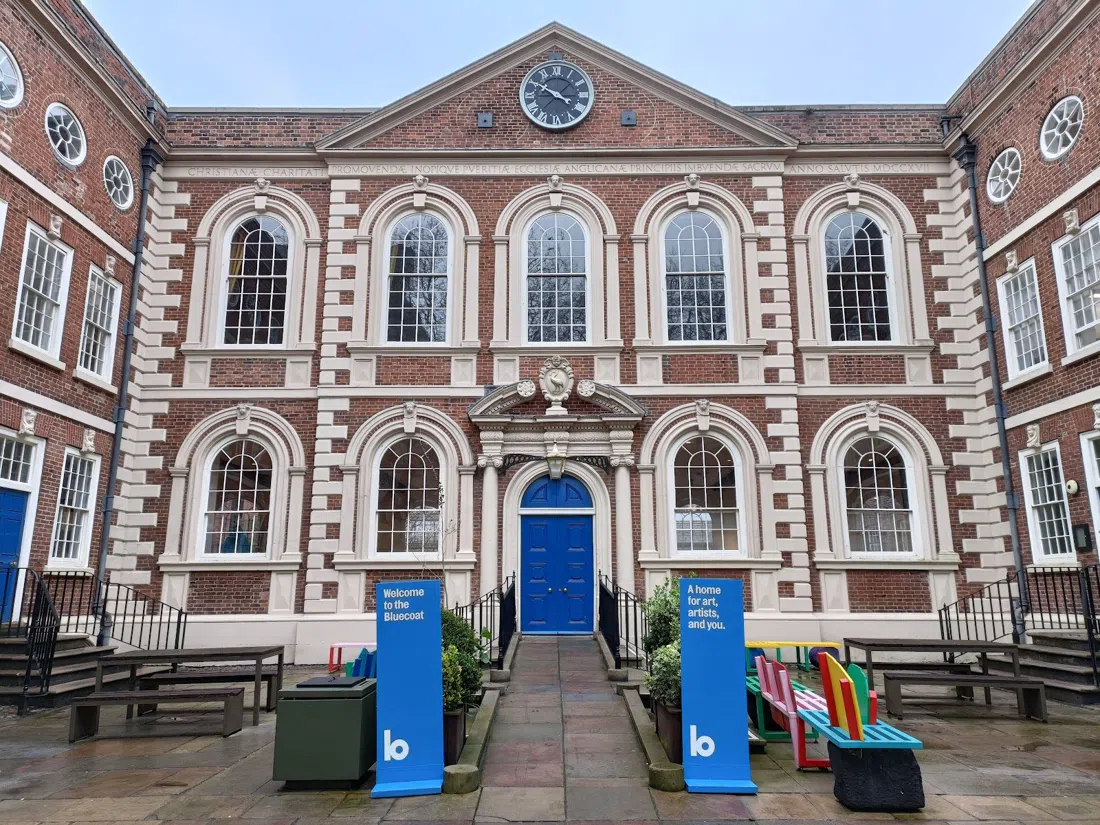
The Bluecoat (School Lane, in the middle of the shopping streets) is the oldest building in the city centre and still a working arts centre rather than a preserved one. The galleries are free, there is no door policy, and a group can drift between exhibitions, the café and a garden courtyard that thousands of people walk past daily without registering it exists.
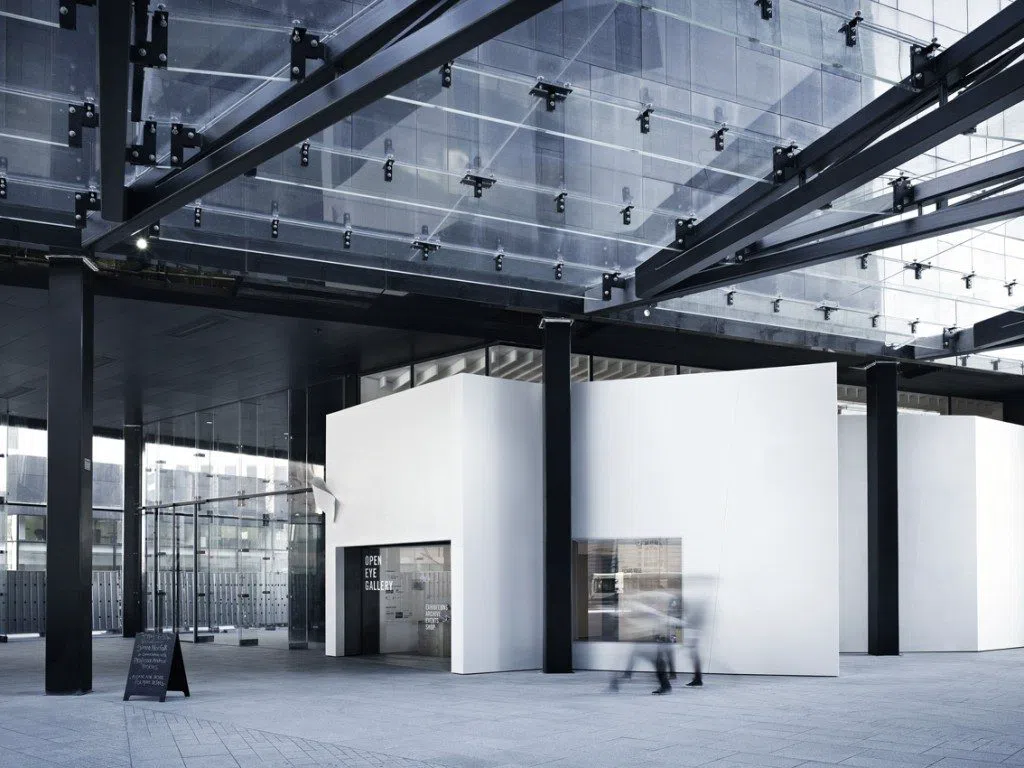
Open Eye Gallery (Mann Island, on the waterfront) has been running as an independent non-profit since 1977 and is the only dedicated photography gallery in the North West. It is free, walk-in, and small, a 20-minute stop that slots neatly between the Pier Head and the docks. Because it is small, a large group should stagger its arrival instead of piling in at once.
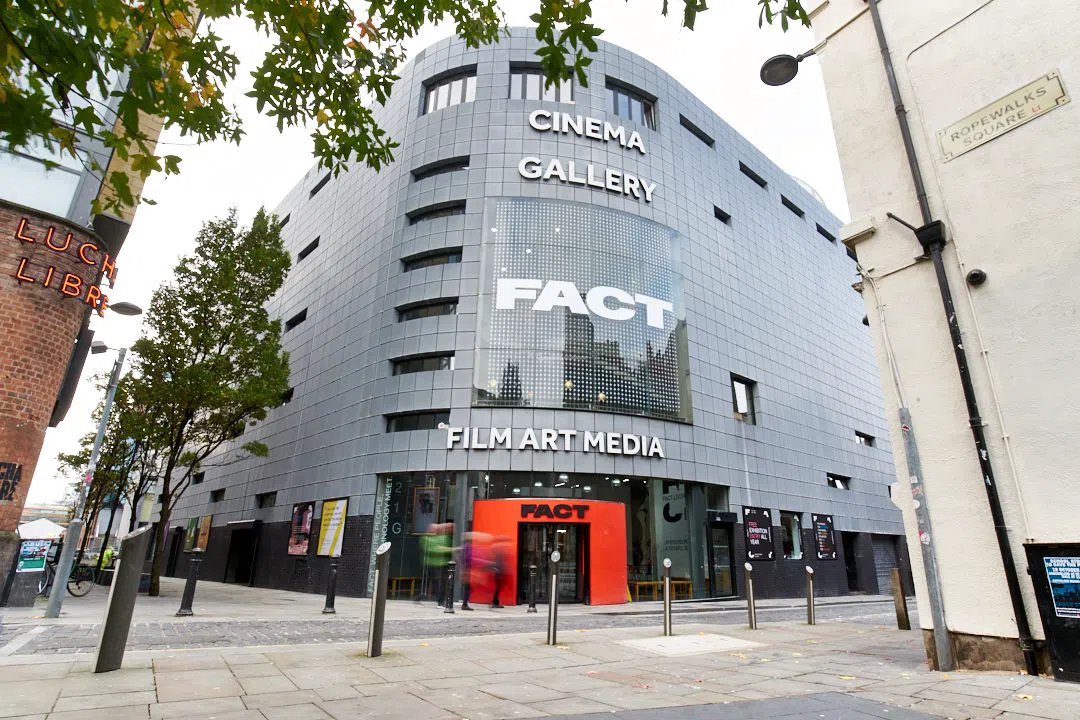
FACT Liverpool (in the Ropewalks, five minutes uphill from School Lane) pairs free exhibitions of art and technology with four cinema screens. It is the best option when a group wants different things: half can take a film, half can do the galleries, and everyone meets at the bar afterwards. Gallery entry is free; cinema tickets run roughly £8 to £13 and seats are worth booking.
When the group cannot agree
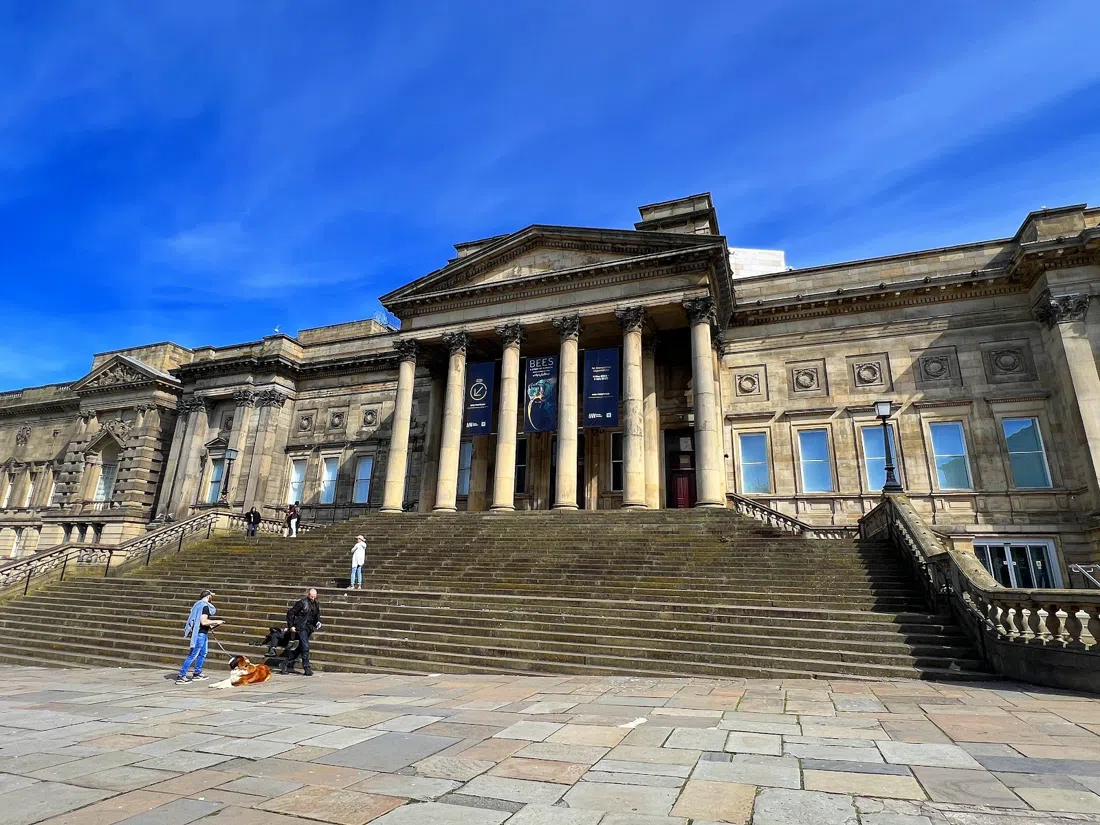
World Museum (William Brown Street, next door to the library) reopened after refurbishment in early 2026 and is the strongest wet-afternoon fallback in the city. Free entry, a free planetarium (tickets for shows are issued on the day) and an aquarium under the same roof, all of it built to absorb families and school groups without strain. It opens Tuesday to Sunday.
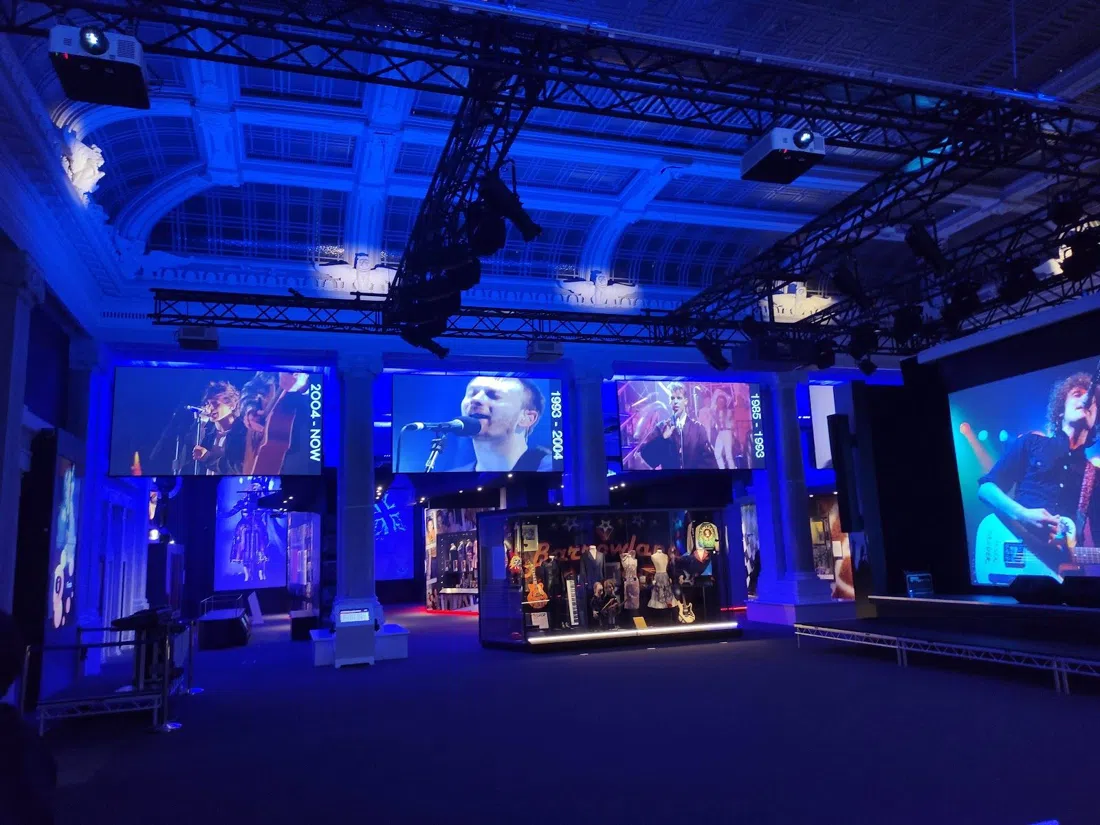
British Music Experience (in the Cunard Building at the Pier Head) is the national museum of British popular music, and it is hands-on enough to hold a mixed group for two hours without anyone drifting to the café. Adult tickets run about £18.50 to £19, family tickets are available, and popular dates sell out, so book online in advance. It opens daily from 10am to 5pm with last entry at 4pm. That last-entry rule is firm and catches people out at ten past four.
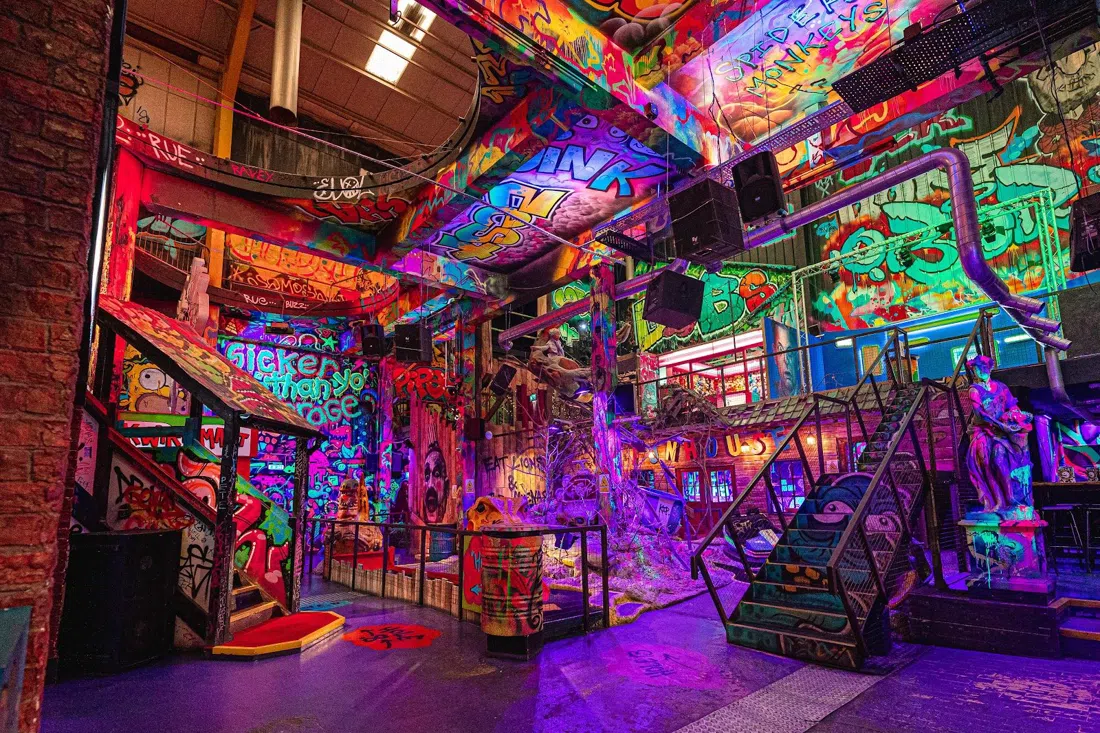
Golf Fang Liverpool (Cains Brewery Village, in the Baltic Triangle) is the one venue here built expressly for groups: crazy golf wrapped around a bar, with karaoke, darts and food packages aimed at stag and hen parties. It was previously Ghetto Golf and is the same venue under a new name. Be clear about the door: it is strictly over-18s with a Challenge 25 ID policy, so bring photo ID even if you have not been asked for it in a decade. A round costs roughly £12 to £15 before food and drink. It opens mid-afternoon on weekdays and turns loud and club-like as the night goes on, so go early if you actually want to play golf rather than shout over music.
Getting around, paying and timing it
Everything in the city centre here is walkable. Rumford Street, William Brown Street, School Lane, Mann Island and the Ropewalks sit within fifteen minutes of each other on foot, and the Pier Head is a flat ten minutes from the shopping streets. The two outliers need transport: Edge Hill for the tunnels is an uphill walk or a short bus ride, and Sudley House in Mossley Hill is a train or bus out into the southern suburbs, so budget an hour there and back on top of your visit.
Cards are accepted everywhere on this list, but carry some cash for the volunteer-run places and for bus fares. Contactless works on the local trains and buses.
On timing, the single biggest trap is the day of the week. Victoria Gallery & Museum, World Museum and Open Eye are all closed on Mondays; Central Library closes on Sundays; Williamson Tunnels runs Friday to Sunday only; the Hardmans' House is Fridays and the last Saturday of the month, March to September. Build the fixed-date places in first and fill around them with the free ones, which are the most forgiving.
On money, a full day of the paid highlights (Western Approaches, the Old Dock and St George's Hall) comes to roughly £38 an adult. A day built on World Museum, Central Library, the Bluecoat, Open Eye and FACT's galleries costs nothing but lunch. Most visitors do best with a mix: one underground ticket, one house or crypt, and free galleries in the gaps.
For where to base yourself, anywhere between the waterfront and the Georgian Quarter puts most of this within walking distance. See the Liverpool hotel search for what is available on your dates, and the wider Liverpool guide for eating and drinking around these streets.