
Liverpool doesn't perform its Beatles history so much as go about its business inside it. The barber on Penny Lane still cuts hair under the same corner where the song's "barber showing photographs" once stood; the church in Woolton still holds Sunday services in the graveyard where two teenagers met at a garden fete in 1957. None of this needed to be preserved for tourists — it just never left, which is the whole reason it's worth the walk.
Woolton: the suburb that invented them
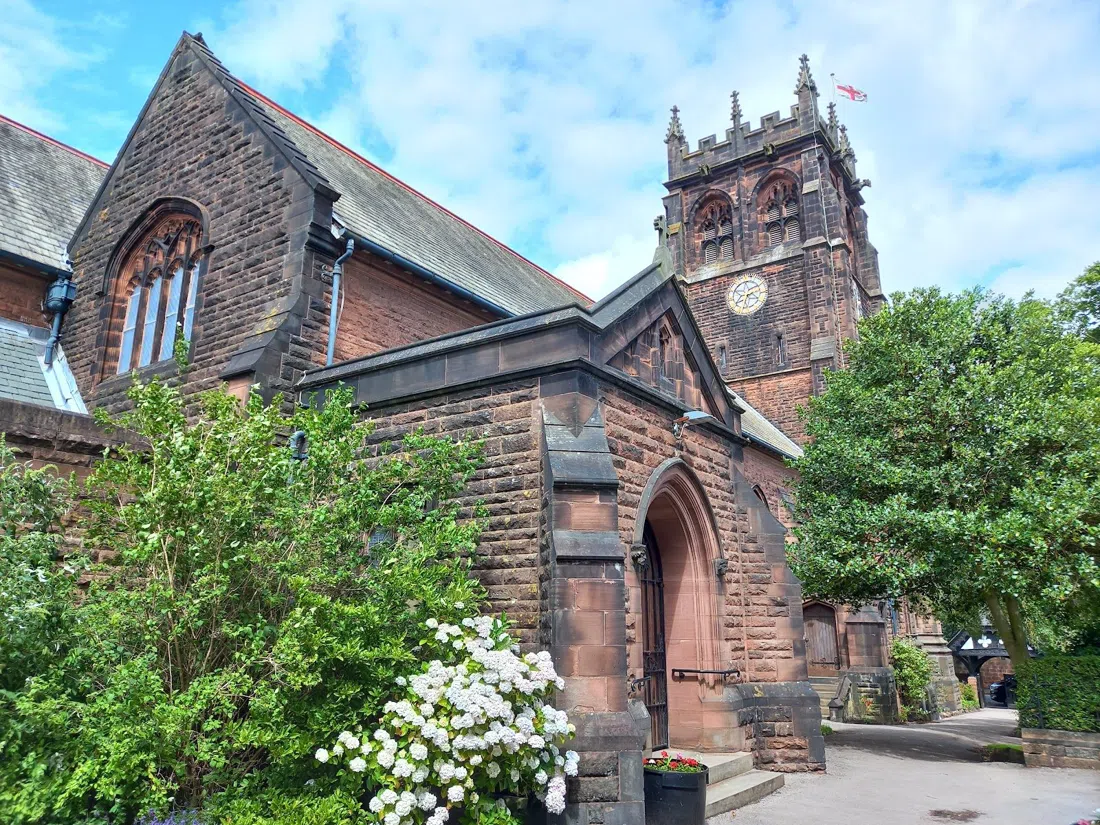
Start here, because this is where the story actually begins, not where the merchandising does. St Peter's Church, Woolton is the single most important site in this entire itinerary and the easiest to walk straight past: an ordinary working parish church with an open churchyard, free to enter, no booking required even for a group. It was in this churchyard, at the July 1957 St Peter's garden fete, that a friend introduced 15-year-old Paul McCartney to 16-year-old John Lennon, who was performing that afternoon with his skiffle group the Quarrymen. There's no plaque demanding reverence and no gift shop — it's a church that still buries and marries its own parishioners, which is exactly the point. Time your visit around ordinary daylight hours rather than a Sunday morning, since services and the occasional wedding still take priority over sightseeing, and a group filing quietly through a working churchyard should behave accordingly.
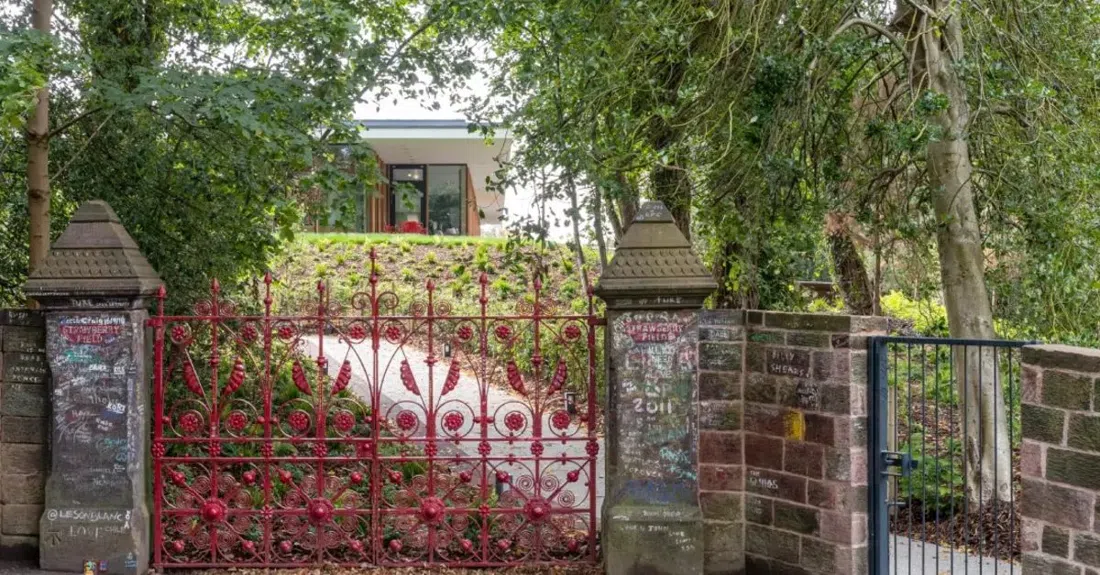
A ten-minute walk away is Strawberry Field, also in Woolton, and it's worth being precise about what this actually is now: not the wrought-iron gate that generations of coach tours photographed from the pavement, but a proper Salvation Army visitor centre and exhibition that opened in 2019, with group rates and a dedicated travel-trade contact for larger parties. Admission is £12.45 for an adult, £11.20 if you book online in advance — and the ticket revenue funds the on-site programme that employs young adults with disabilities, which gives the visit a purpose beyond nostalgia. Lennon wrote the song about a Salvation Army children's home whose garden he played in as a boy; the home itself is gone, but the story it stood for is still active on the same ground.
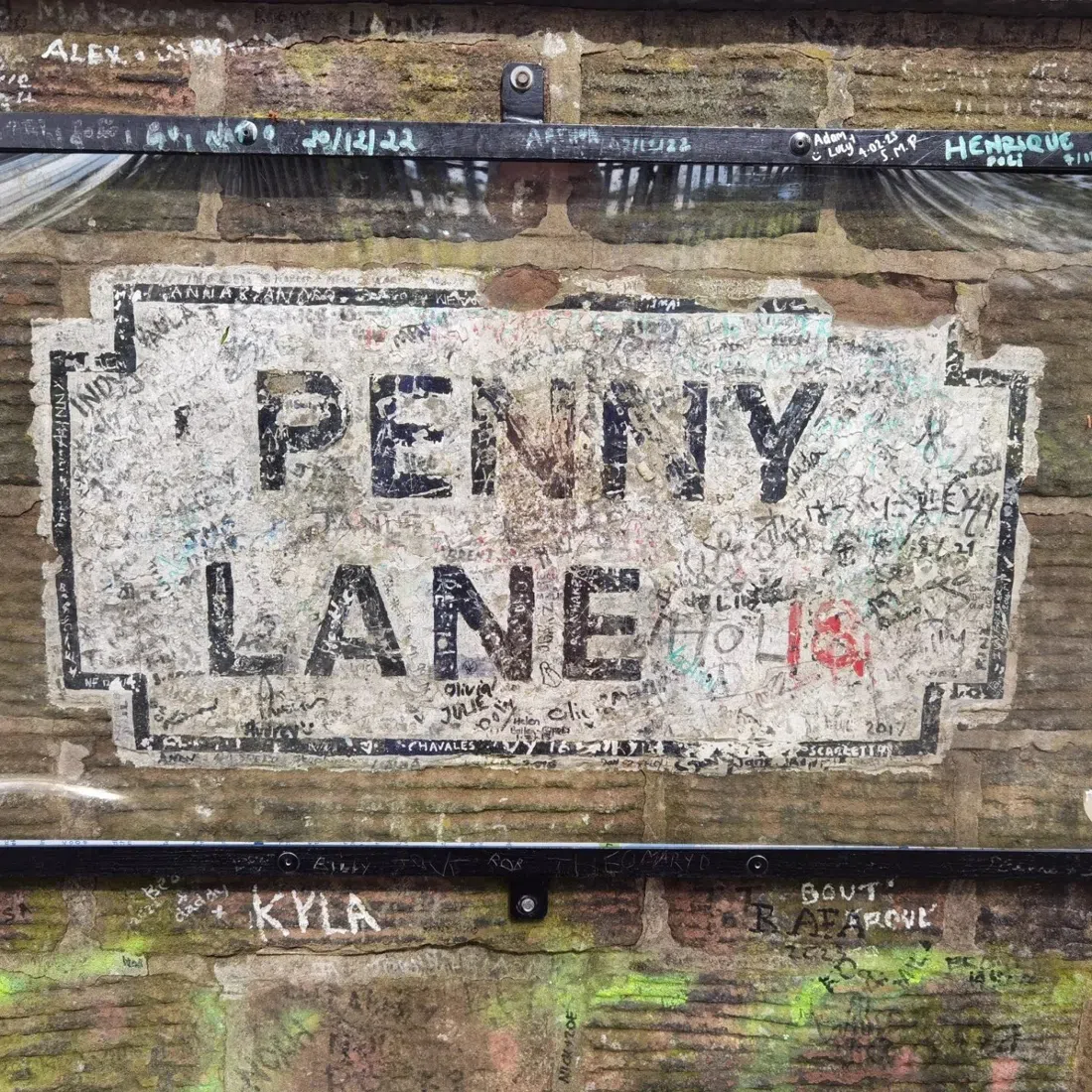
Penny Lane itself is a genuine street in Mossley Hill, and it rewards exactly the kind of unhurried, small-group walking that a window-seat coach tour can't give you. It costs nothing to visit and needs no booking. The song's trick is that it describes the completely mundane — a barber showing photographs, a banker in a mac, a fireman with an hourglass — and that mundanity is still legible on the ground if you slow down enough to look for it, rather than just photograph the street sign and move on.
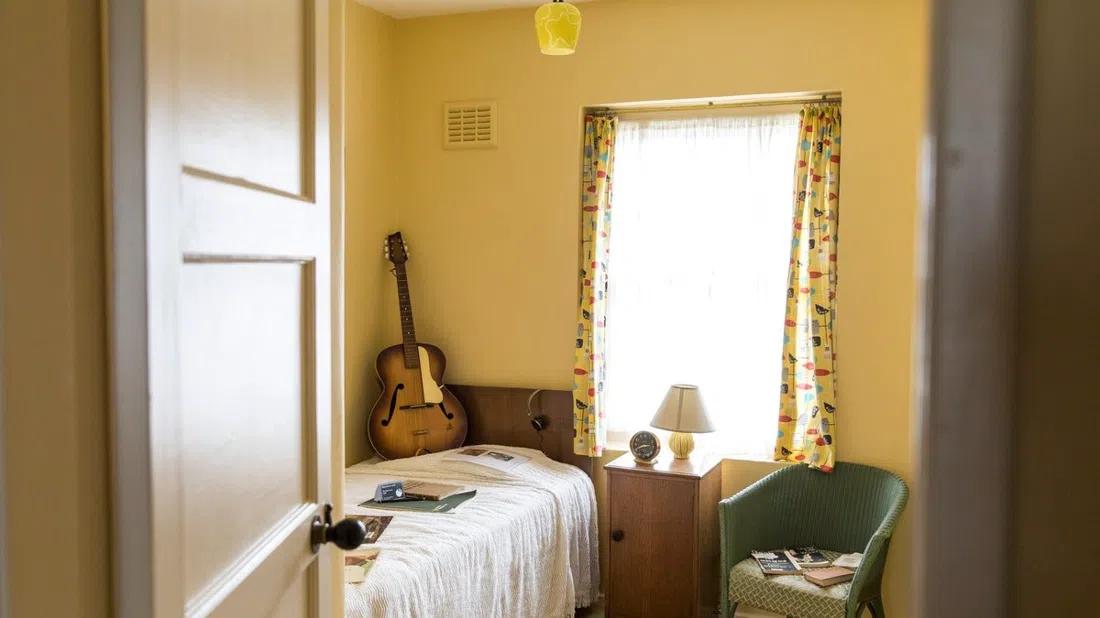
The fourth stop in this cluster is capped by design: The Beatles' Childhood Homes, meaning Mendips (John's aunt Mimi's house) and 20 Forthlin Road (Paul's family home), are only accessible via a National Trust minibus tour departing from Speke Hall, run in small fixed group sizes and requiring pre-booking — there is no walk-up option. It costs roughly £25-30 for the combined tour (free for National Trust members), and it's worth the planning because the interiors are untouched, ordinary 1950s council and terraced houses rather than any kind of reconstruction. This is the anti-coach-tour experience the whole trip is really about, but it only works if you book ahead; turning up on spec will get you nothing.
Mathew Street after dark
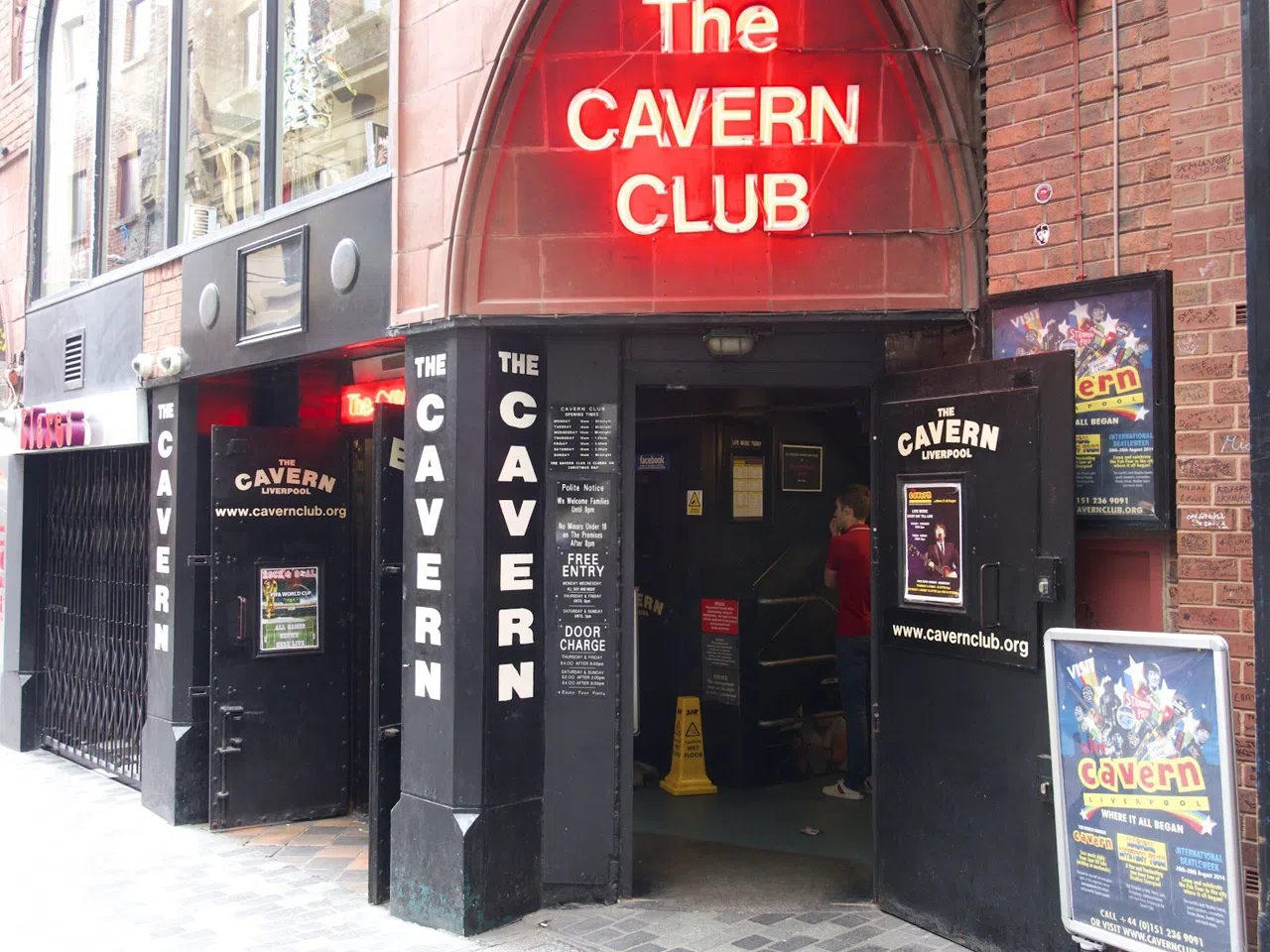
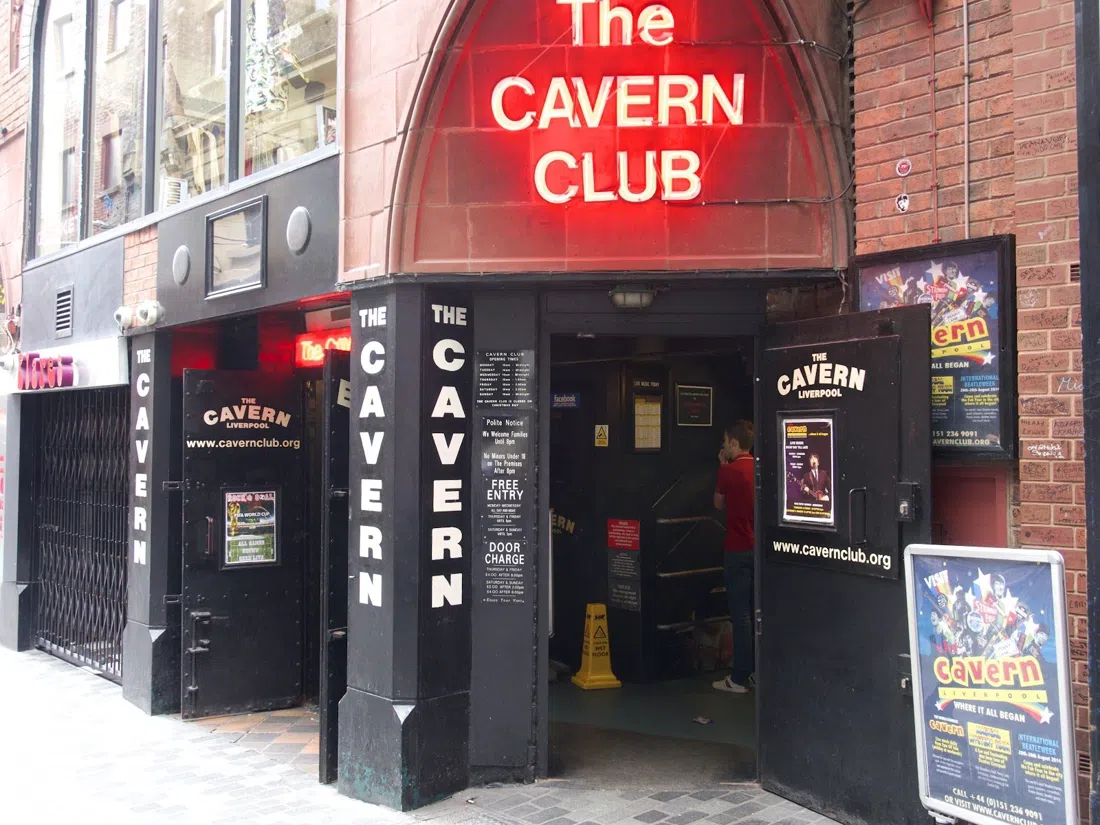
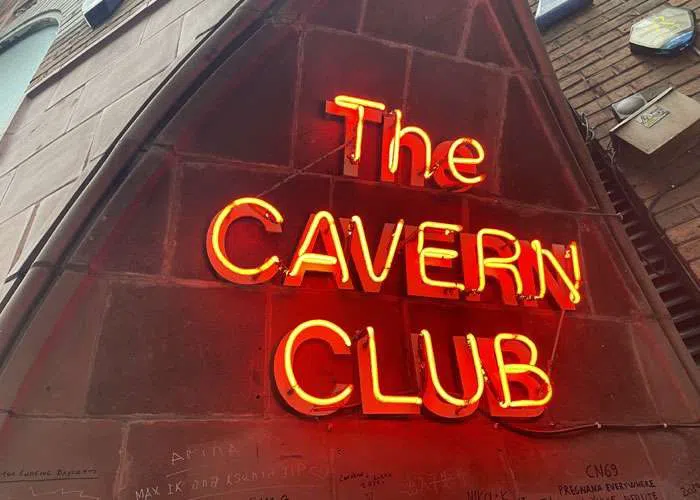
From the suburbs to the cellar. The Cavern Club on Mathew Street is not a recreation somewhere convenient — it's rebuilt on the original site using the original bricks, which matters, because this is the actual cellar where the band held their residency and played close to 300 times between 1961 and 1963. It runs live music daily from 11:30am, general admission on the door, and it absorbs groups easily — though larger parties should book ahead rather than assume they'll all get in together on a Saturday night, when the queue down Mathew Street can run long once the evening bands start. Entry is £6 for a single ticket or £8.50 for an all-day pass that lets you move between sets and bands. Go at least once in the evening, when the room is doing what it was built to do, rather than just ticking it off at lunchtime — the acoustics and the crowd both change once the venue is actually working.
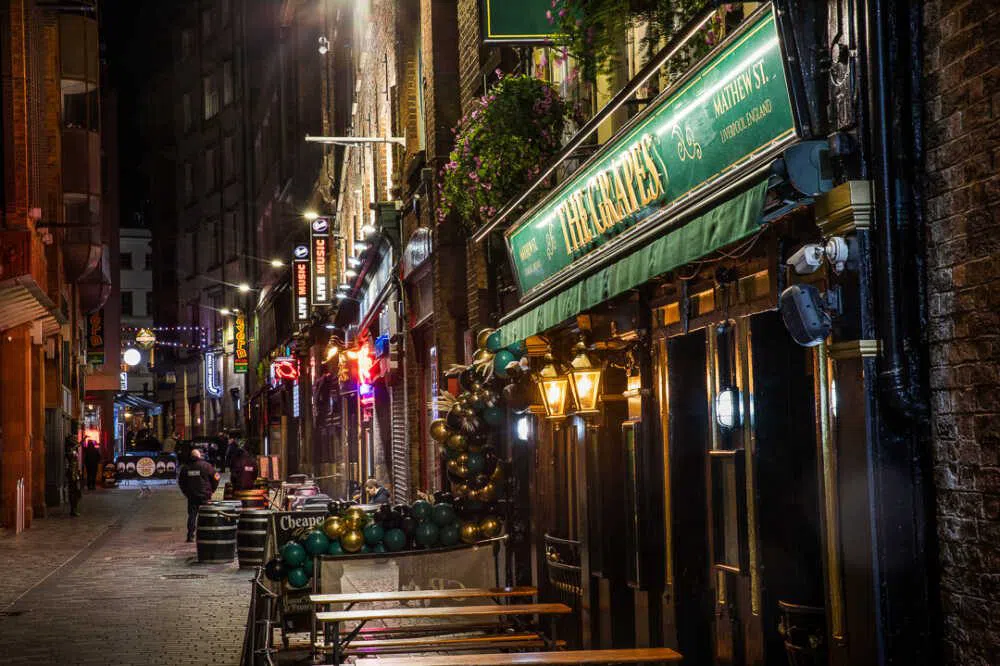
A few doors down, and easy to miss if you don't know the story, is The Grapes, a small pub that matters precisely because the Cavern itself was dry — no alcohol license — so this was literally where the band drank between sets during their residency. It reopened with a refit in July 2026 and is confirmed trading, which is worth stating plainly rather than assuming on reputation: pubs with this kind of legend attached don't always survive their own mythology, and this one currently does, with standard pub prices and live music or karaoke most nights. It's small, so it suits a couple or a tight group rather than a coach party, but the footfall from Beatles tourism means the staff are used to it.
Before the Cavern: Slater Street and West Derby
The Cavern gets all the attention, but the band's actual stage career started elsewhere, and both of those elsewheres are still standing. The Jacaranda, a basement live venue on Slater Street, is where promoter Allan Williams first put the group on a stage for money — the overlooked prequel to the whole Cavern story. It runs live gigs most nights with free entry to weekend shows and an open-mic Sunday, and it costs nothing to nothing-much depending on the night, which makes it an easy, low-commitment add to an evening rather than something you need to plan around.
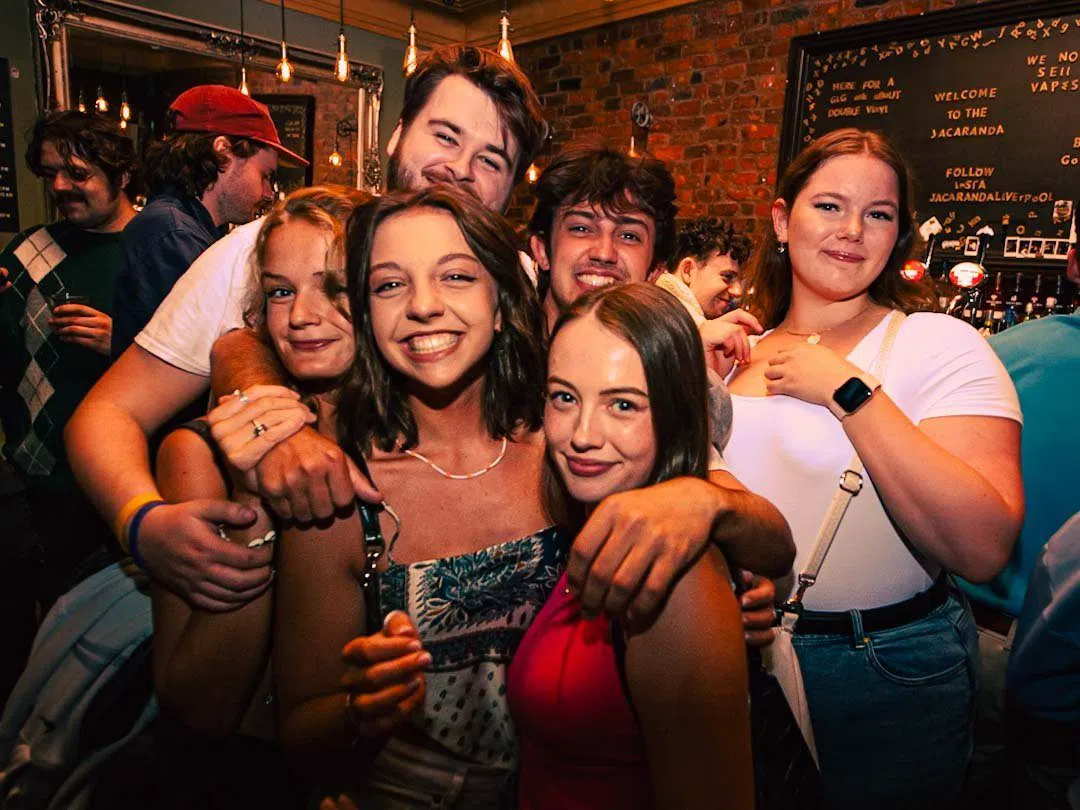
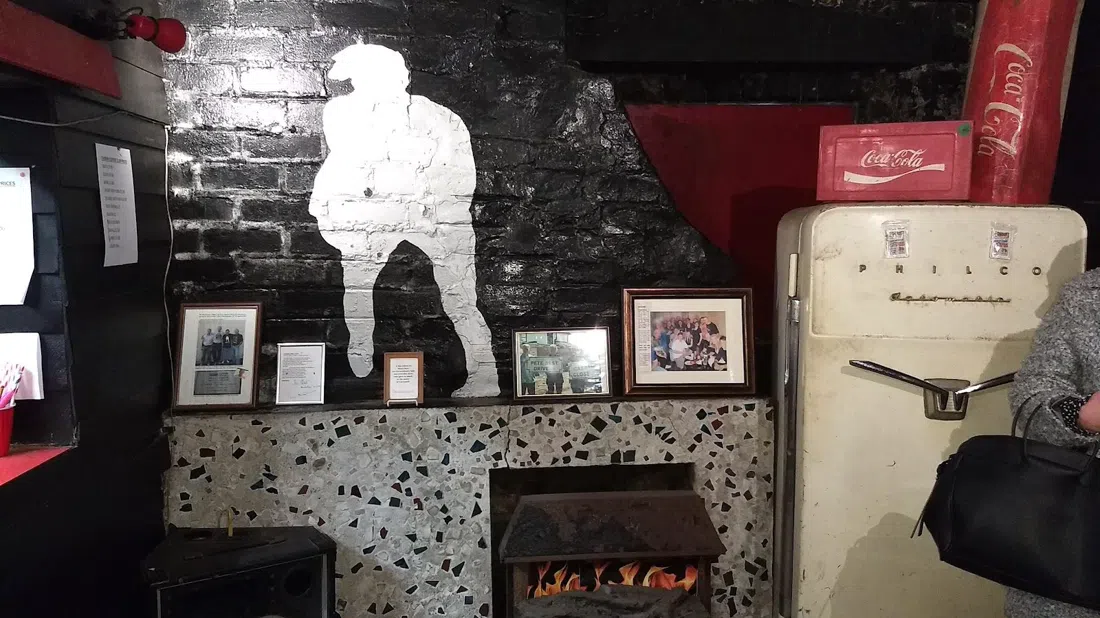
Further out in West Derby is The Casbah Coffee Club, the deepest cut on this entire list and the one most visitors skip because it takes actual effort: this is where the group performed regularly before they were even called the Beatles, and it's still privately owned by Pete Best's family — Pete Best being the band's original drummer. It only runs as pre-booked guided tours led by the Best family themselves, roughly 90 minutes, £15-20 per person, and advance booking is essential — there's no casual walk-in option. If you do one "off the map" thing on this trip, make it this one; the tour comes with direct family testimony you won't get anywhere else on the itinerary. The two venues suit opposite kinds of visitor: the Jacaranda is the easy, no-commitment drop-in for a couple or a solo traveller passing through Slater Street on a whim, while the Casbah rewards only those who plan ahead and book a specific slot — turn up without a reservation and you will simply be turned away at the door.
Hope Street, where the drinking got serious
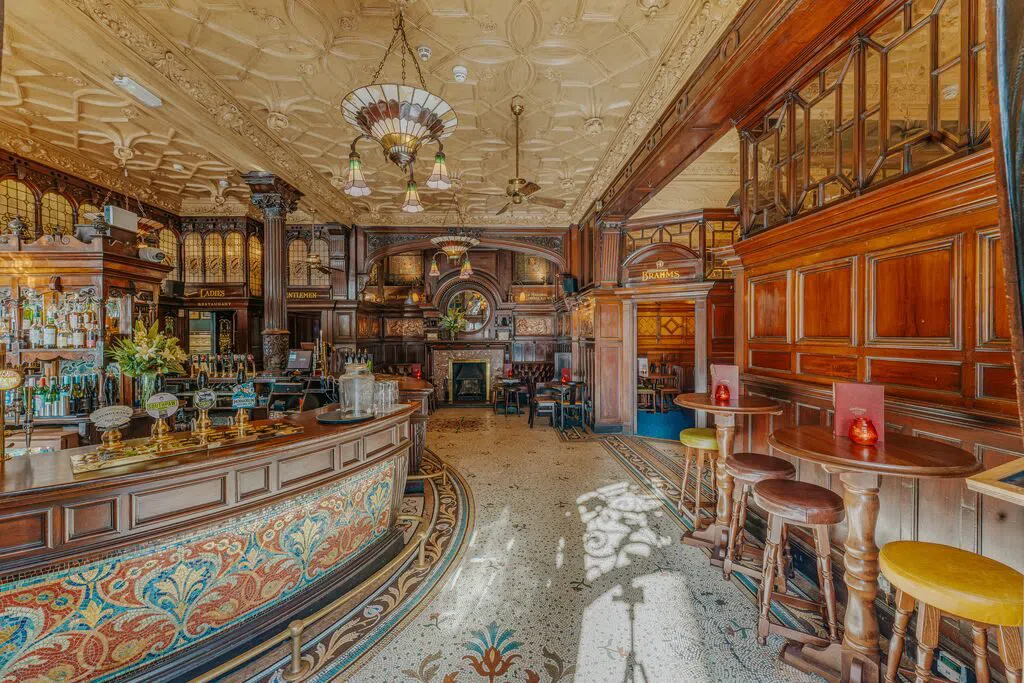
Two pubs on or near Hope Street round out the drinking geography, and they suit different kinds of visits. The Philharmonic Dining Rooms is a large, multi-room Victorian pub that takes groups without any trouble and needs no booking to drink — it's also, without much argument, the most beautiful pub interior in the city, all carved mahogany and mosaic tiling. Lennon's own quoted line about the place — that the trouble with being famous was that he could no longer nip across the road to use the gents, said to be the finest in England — is the ready-made anecdote every visitor repeats, and it holds up because the room itself still earns it. Prices are standard pub level.
A five-minute walk away is Ye Cracke, Lennon's actual local while he was a student at Liverpool College of Art, and it's the quieter, more genuinely off-route counterpart to the Phil: small, comfortable for a casual walk-in or a small group, standard pub prices, no ceremony attached. Where the Phil is the room worth seeing, Ye Cracke is the room worth sitting in for an hour with a pint and no agenda.
If you want the story indoors, in order
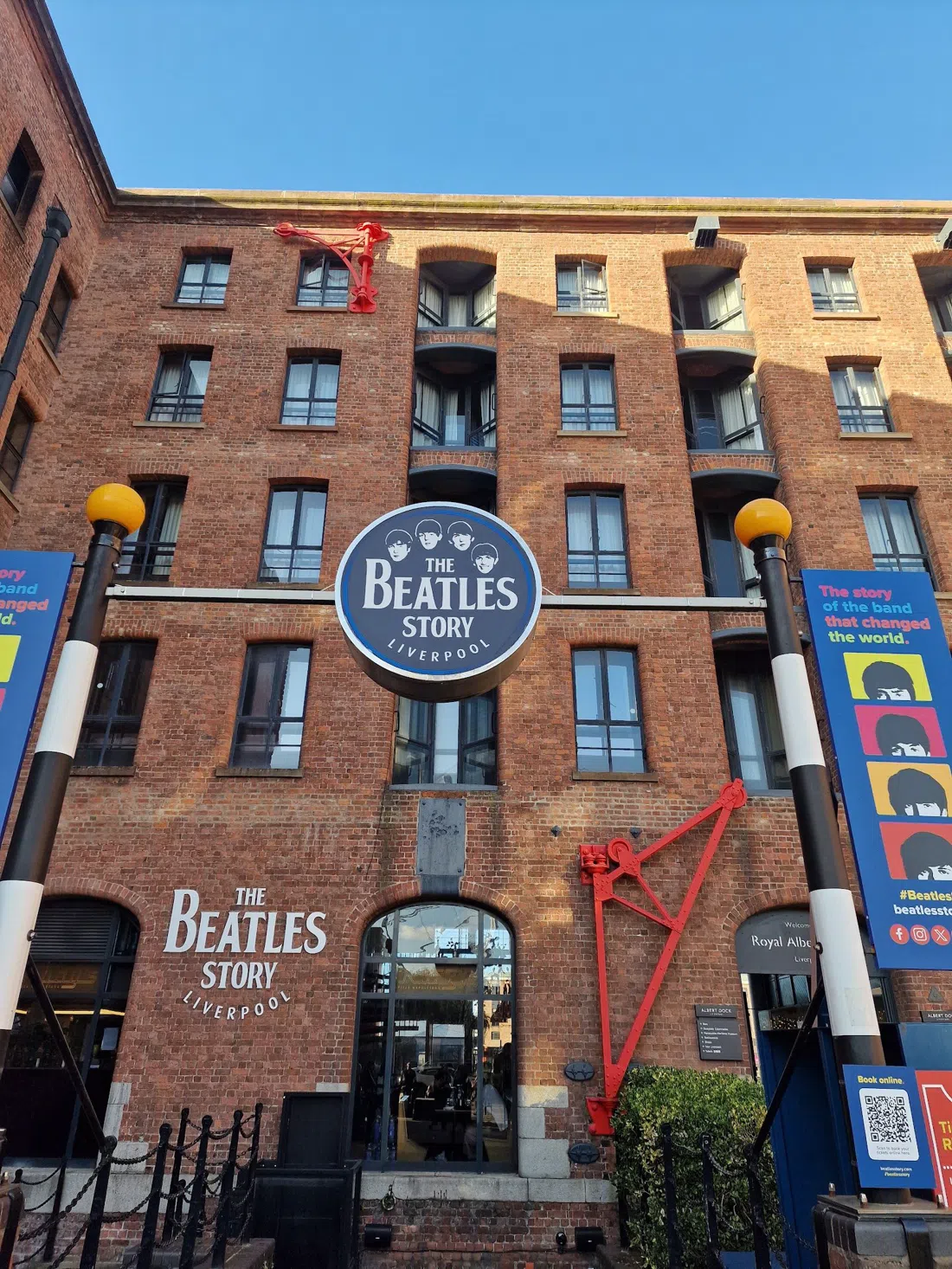
For readers who want the object-and-narrative version after a day spent walking the actual streets, The Beatles Story at Albert Dock is a large-capacity museum with dedicated group ticket rates and an audio guide available in ten languages, priced around £18-20 for an adult. It's a genuinely useful counterweight if you want the timeline laid out chronologically with artifacts rather than pieced together from pavements and pub walls — but it works best as a secondary stop, not a substitute for the streets themselves. Go here to consolidate what you've already seen, not instead of seeing it.
Walking it instead of riding it
If you'd rather not navigate Woolton, Mathew Street and West Derby on your own timetable, the Beatles Liverpool Walking Tour is the explicit antidote to the window-seat coach tour this whole piece has been arguing against: capped at 20 people per group, built for group bookings and cruise-ship arrivals, roughly two hours, £15-20 per person. It covers the geography on foot with a guide who can point at the actual brick rather than a screen, and it's the sensible middle option between doing all of the above solo with a map and being shepherded through a bus window.
The practical stuff: transport, cash, timing, budget
Liverpool's Beatles geography splits into two zones that don't overlap much: the city-centre cluster (Cavern Club, The Grapes, The Jacaranda, Philharmonic, Ye Cracke, Beatles Story) is walkable in a single day, mostly within twenty minutes of each other. Woolton and West Derby (St Peter's Church, Strawberry Field, the childhood homes, the Casbah) are suburban and need either the Speke Hall minibus, a taxi, or Liverpool's Merseyrail and bus network — budget a separate half-day or full day for this side of the story rather than trying to bolt it onto the city-centre walk.
Book ahead for anything with a fixed capacity: the National Trust childhood homes tour and the Casbah both sell out and have no walk-up option, so reserve these before you land rather than on the day. The Cavern, the Beatles Story, Penny Lane, St Peter's and the pubs all take walk-ins. If you're arriving via Liverpool John Lennon Airport, note the childhood homes minibus and Speke Hall are both on that side of the city, so it's worth sequencing that tour close to arrival or departure day rather than crossing back out from the centre twice.
Merseyrail's Northern Line runs a station at Mossley Hill within a short walk of Penny Lane and Strawberry Field, which makes the Woolton cluster easy to reach without a taxi if you don't mind a fifteen-minute walk from the platform; a taxi or rideshare is the more comfortable option for a group carrying bags or short on time.
On cash: the pubs and smaller venues (Ye Cracke, The Grapes, The Jacaranda) function like any normal British pub — cards are accepted everywhere now, but it's still sensible to carry some cash for a round at the bar during a busy live set when the terminal queue backs up.
For timing, evenings suit the Cavern and the pub circuit — that's when the rooms are actually doing what they were built for — while the suburban sites (Strawberry Field, St Peter's, Penny Lane) are a daytime, unhurried walk. A realistic budget for the full circuit, including the minibus tour and the Casbah, runs somewhere between £70 and £100 per person across two days, before food and drink.
If you're building this into a longer stay, sort your base first via Liverpool hotel search, and see the full Liverpool guide for where to eat and sleep around the sites covered here. The songs were written about a real, working city, not a museum piece — and in 2026 it's still recognisably the same one.