The Liverpool issue
Two Days in Liverpool Built Around an Anfield Match
How to book, eat, drink and sleep around a first match at Anfield without losing the weekend to taxi rides and queues.

By Ola ZielinskaMade Liverpool home after twenty other cities
Anfield sits in a grid of terraced streets a couple of miles north of Liverpool city centre, on a ground that has stood on the same patch since 1884 and been the club's home since 1892. The pubs on the walk up were built for the people who live in those streets rather than for visitors, and they still behave that way: no bookings, no fan-zone scaffolding, and a rhythm that starts hours before kick-off. A first football weekend here works when you plan it around the neighbourhood's own timings instead of a hotel lobby's, and the order you book things in matters more than the budget.
Book the stadium before you book anything else
The fixed point of the weekend is Anfield Stadium Tour & The Liverpool FC Story (Anfield Road, Anfield), and the most useful decision you will make is to do it on the day there is no match. The Matchday Tour runs at £28, but the route shrinks on game days because parts of the ground are in use, and those slots sell out long before the standard ones. The regular Stadium Tour and museum is £24 for an adult, £12.50 if you only want the museum, and prices rise if you turn up without pre-booking. Tickets are timed-slot, so put the whole party on one slot rather than trickling in; the entry desk will not hold a group together for you.
Two things to flag when you book. Access is uneven. The Upper Anfield Road areas are stairs only, with no lift, so anyone who cannot manage stairs needs to say so at the point of booking, not at the turnstile. And if someone in the group wants the version with adrenaline in it, the Anfield Abseil is £46 and The Anfield Experience is £150; both are separate bookings with their own limited slots. For a headline league fixture, the good tour slots go months out, so treat the tour and the hotel as one booking decision made on the same evening.
Plan your Liverpool trip
Live prices from our booking partners.
Free cancellation on many rooms. We may earn a commission when you book.
The three pubs at the top of the hill
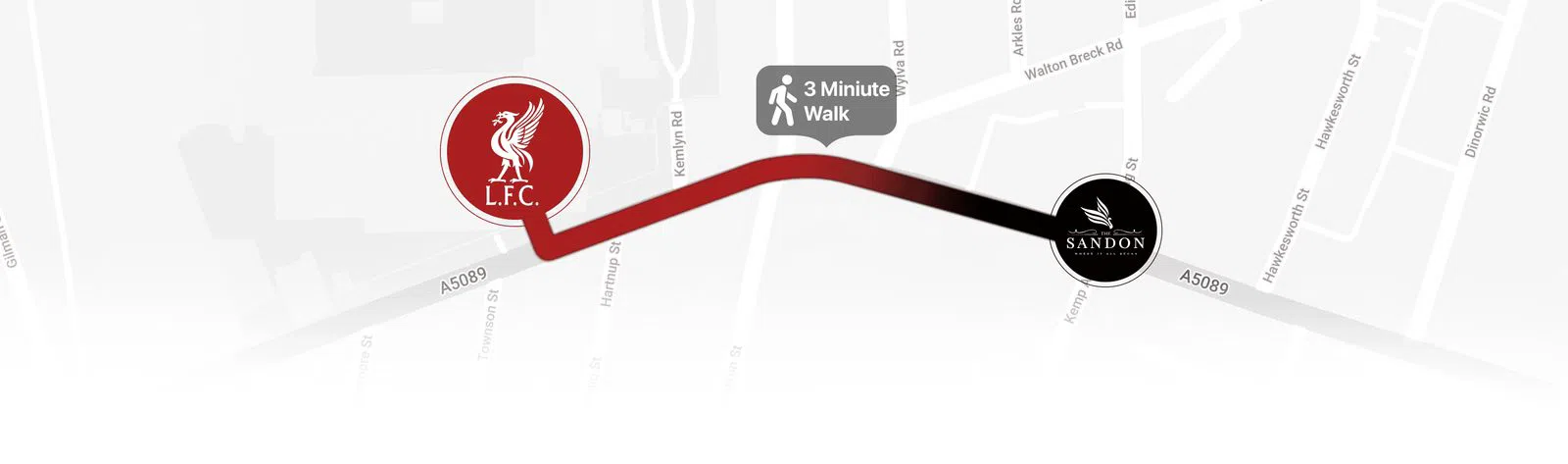
The Sandon (Oakfield Road, Anfield) is the one with a story attached. Liverpool FC was effectively founded in this building in 1892, which is a rare thing to be able to say over a pint. It is also the most group-ready pub on the hill, with big rooms, a marquee and pre-bookable matchday packages that run up into LFC-linked hospitality tiers. A pint is £5–7, with package and entry charges on top on the bigger days. Walk-ups still get in if you go early doors; on a marquee fixture that means arriving three hours before kick-off, not one.
The Arkles (Anfield Road, Anfield) is the recognised away-supporters' pub and the most tolerant of travelling groups. Pints are £5–6, there is pub food, and, unusually for the area, there are actual seats. It takes no reservations and it fills fast, and on big fixtures you can be asked to show proof of a ticket. If you are in the away end, or you simply want a conversation rather than a wall of noise, this is the one that reliably welcomes visiting fans.
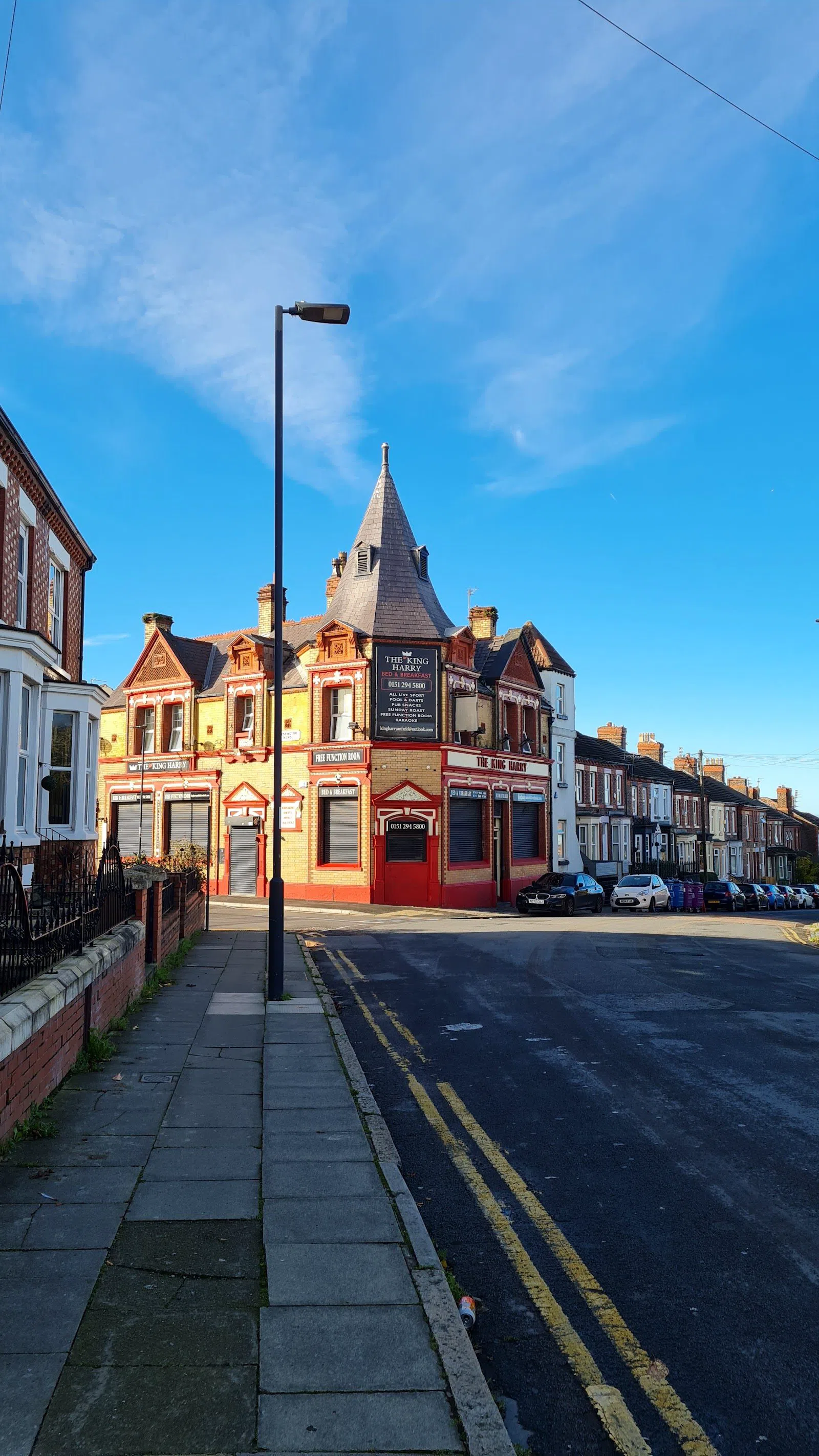
The King Harry (Blessington Road, Anfield) is the least touristed of the three and the most local. Walk-in only, no bookings, no infrastructure for large parties; it opens at 11:00 on matchdays and pints are £4.50–6. A group of three or four blends in without effort. A stag-sized party in matching shirts does not, and will spend the afternoon aware of it. Go here if you want the build-up as the neighbourhood actually does it, and drink at the pace of the room rather than setting your own.
Eating within sight of the ground
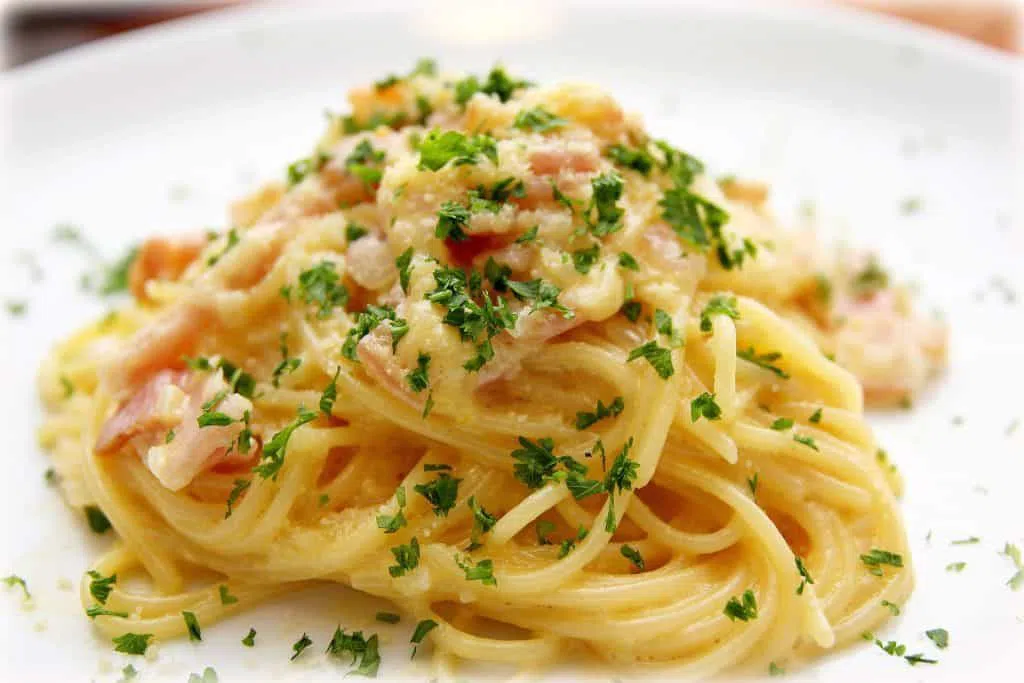
The singing pubs around Anfield do not do food, which catches out most first-timers around 13:00. Homebaked Anfield (Oakfield Road, Anfield) is the answer: a community land-trust bakery that saved its own building from demolition and now wins national pie awards, selling pies at £3–5. It is counter service with essentially no seating, and the queue on a matchday is real, so a group of six should ring ahead and pre-order for collection. A Scouse pie eaten on the walk up is the cheapest good thing you will do all weekend.

For anything that involves sitting down, Cabbage Hall Bar & Grill (Lower Breck Road, Anfield) is the group- and family-friendly option in the area. Tables can be booked, there is function space and a kids' menu, and a cooked breakfast starts around £8 with mains at £10–20. It is walkable to the ground, which makes it the sane place to assemble a party of eight at 11:00, feed everyone properly and then walk up together. It also has rooms, which is worth knowing given how little accommodation there is this close to Anfield.
Where to sleep, and what that decision costs you
Most visitors sleep in the city centre and travel out, which is the right call. The centre has the density of bars, restaurants and stations that Anfield does not. The Shankly Hotel (Victoria Street, city centre) is the obvious themed choice and, unusually, an honest one: the Shankly family sanctioned the memorabilia, so the display cases hold the real thing rather than reproduction tat. Rooms run £110–250, bar mains £14–22, and the building is built for groups, with family and multi-bed suites, a large bar and a rooftop terrace. Stag-type bookings are common and screened, so be straight about your party size when you book. Hotels in this city can smell a hidden fourteen from the deposit stage, and a cancelled booking on the Friday is a bad way to start.
Even if you sleep elsewhere, the Bastion Bar downstairs is worth a drink. For everything else, and for the weeks around a marquee fixture when centre prices roughly double and availability collapses, compare properly with a Liverpool hotel search before you commit, and book the room before the match ticket if you have to choose which to sort first.
The pubs that have nothing to do with football
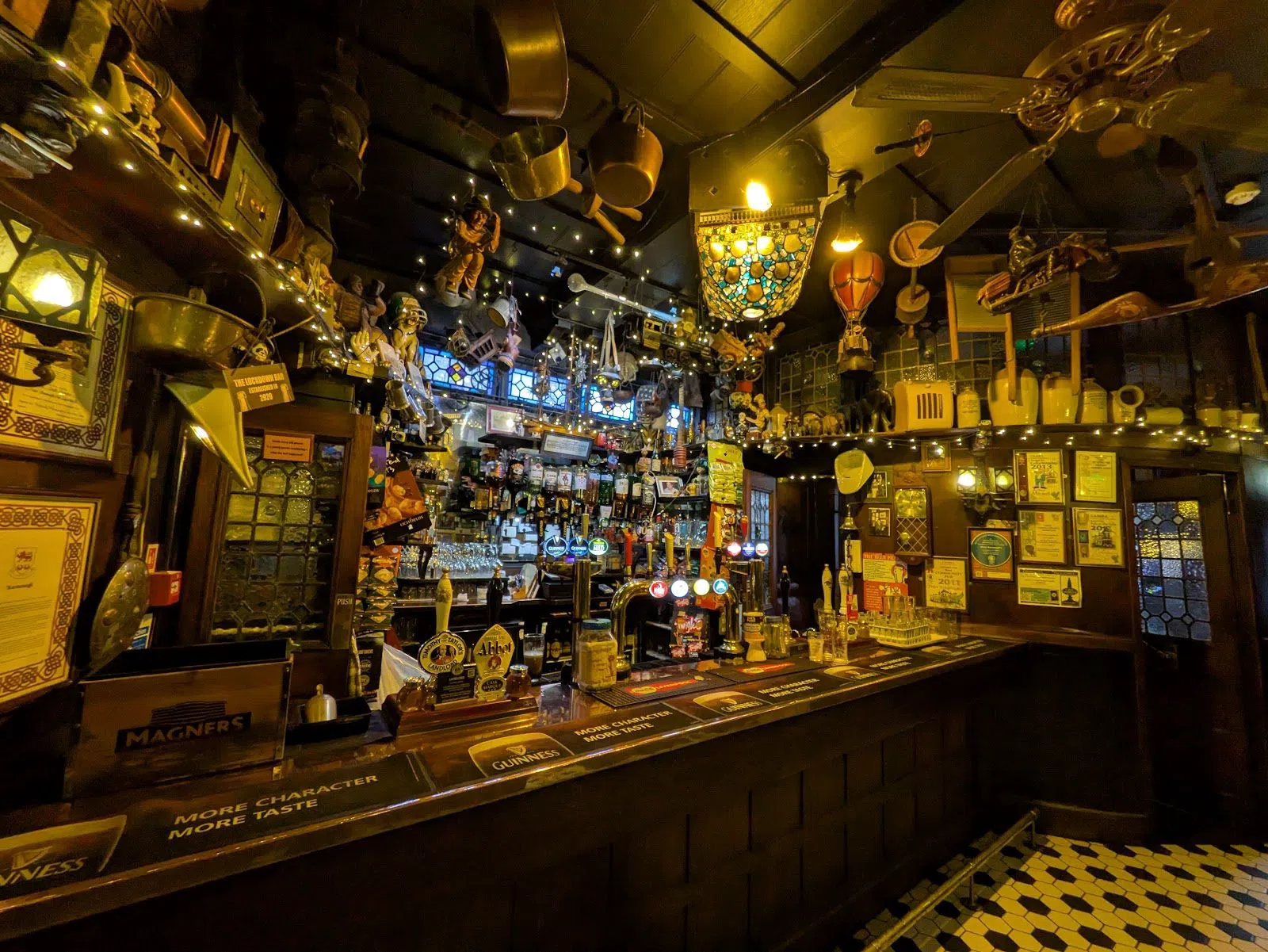
A weekend that is only football gets thin by Saturday night. The Philharmonic Dining Rooms (Hope Street, Georgian Quarter) is the only purpose-built Victorian pub in England listed Grade I: mosaic, wrought iron, carved mahogany, and a gents' that people queue to look at. Pints are £5–7 and pub mains £12–18. The bars take no bookings, though the upstairs dining room does. Six or eight people mid-afternoon is fine; the same group at 21:00 on a Saturday will be standing in a doorway. It is about 25 minutes' walk from the ground and works as the antidote to a day of plastic pint pots.
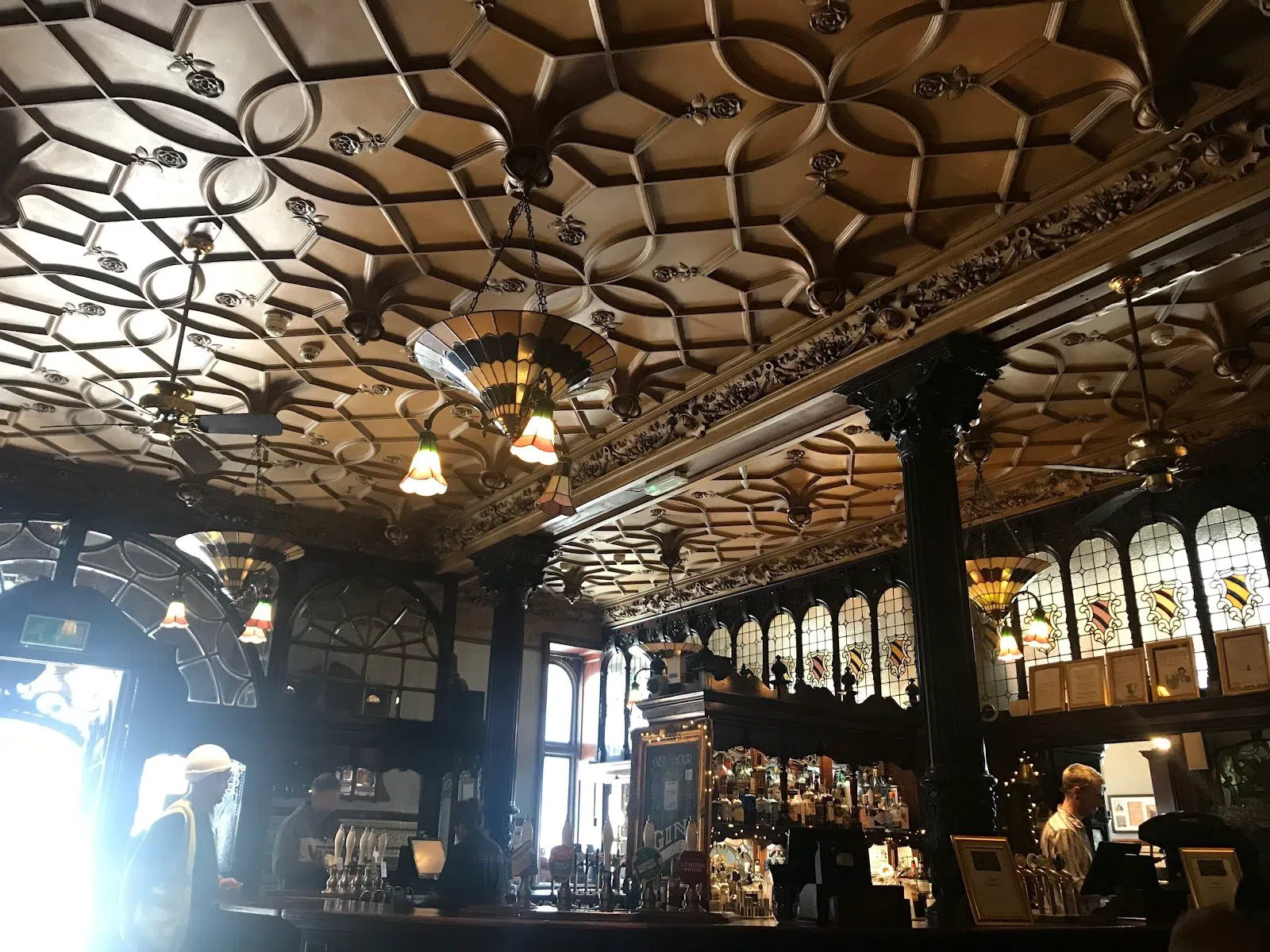
Peter Kavanagh's (Egerton Street, Georgian Quarter) is the other one to make time for: a nationally listed 1929 interior that has simply never been ripped out, murals and snugs intact, and one of the best pubs in England on almost anyone's list. Pints are £4.50–6. It is walk-in only and the rooms are small snugs, so four to six is the practical maximum; a party of ten will break the room and be treated accordingly. It sits ten minutes' walk from the Georgian Quarter restaurants, which makes it the natural pre-dinner stop rather than a destination for the whole night.
Saturday night when nobody in the group agrees
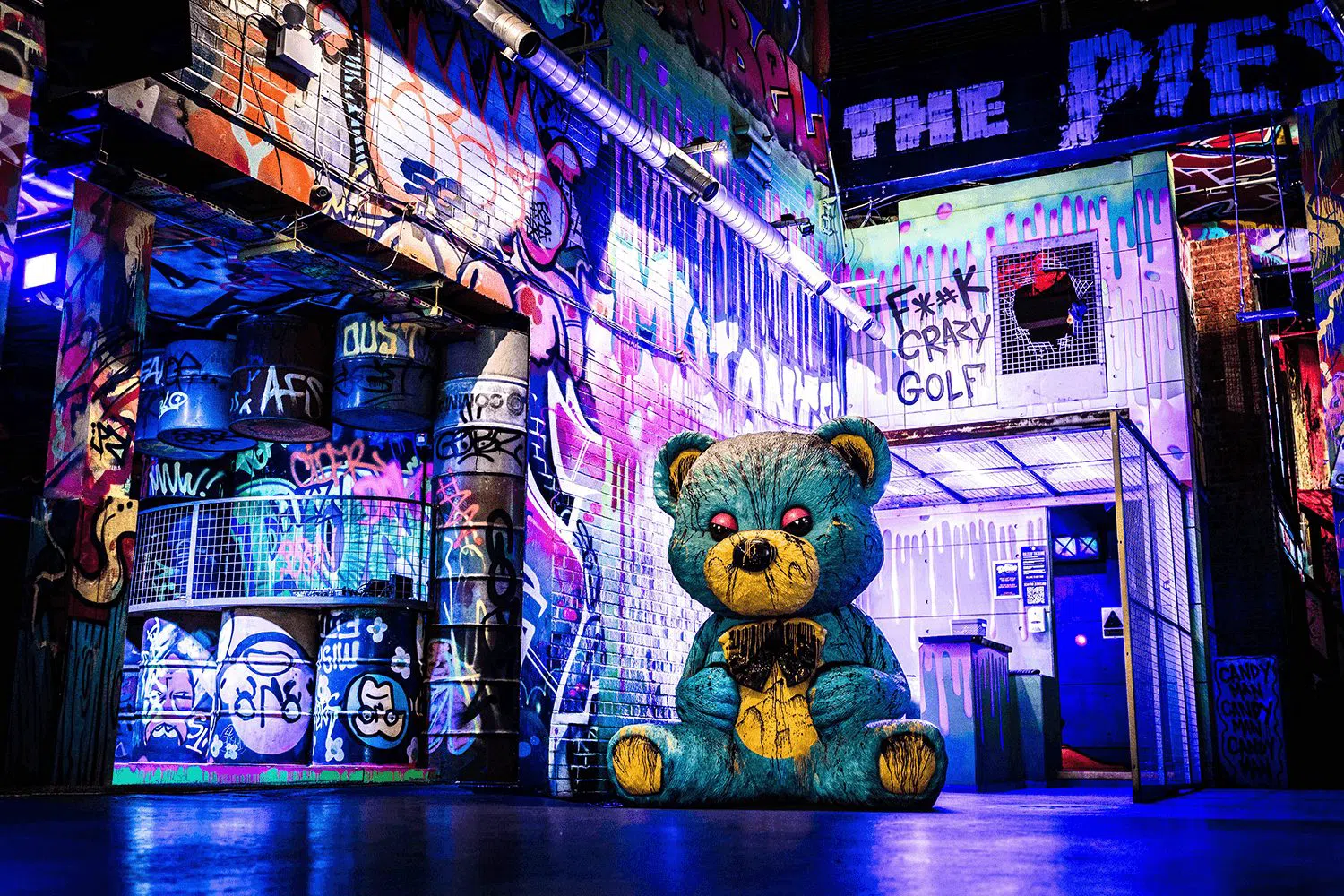
Golf Fang (Bridgewater Street, Baltic Triangle) is the best group booking in the city, and half of Liverpool still calls it Ghetto Golf. Crazy golf built as a graffiti-covered fever dream, £11–16 per player, with karaoke rooms, AR darts and bottomless packages on top. Maximum six per hole, so a larger party splits into teams teeing off a few minutes apart, which works better than it sounds. Book online for Friday to Sunday; walk-ups on a Saturday night are optimistic.
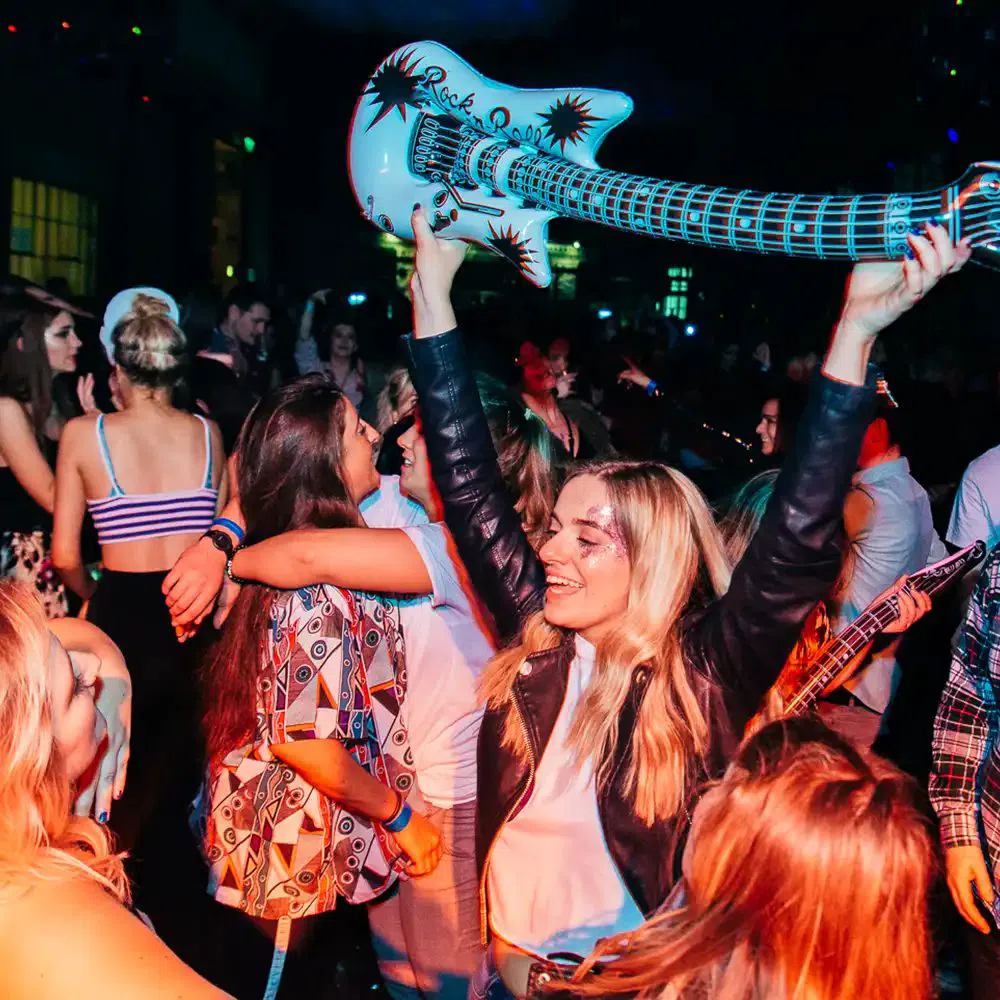
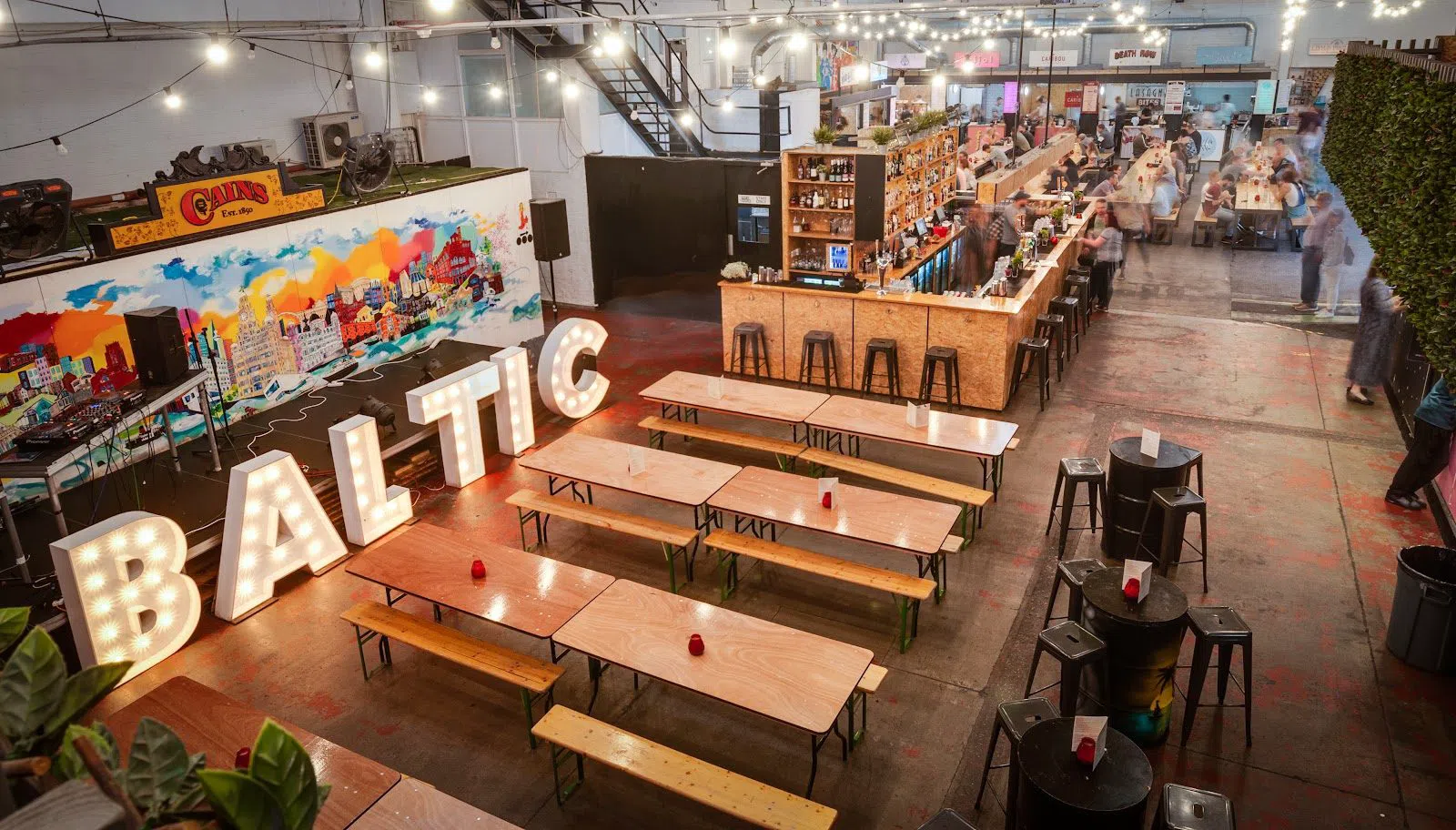
Baltic Market (Baltic Triangle) solves the eating half of the same problem. Communal tables, no bookings needed, eight people ordering eight different things from separate stalls and eating together. Mains are £8–14 and pints £5–6. It runs Thursday to Sunday only, which is worth checking against your dates, and on Friday and Saturday nights it turns into a proper DJ-led drinking room rather than a food hall. In the same district, Camp and Furnace (Greenland Street, Baltic Triangle) is a warehouse venue built for crowds of up to 2,400 and the room where the big football-adjacent singalong gig nights land. Entry is free to about £25 depending on the event, food and drink extra, and gig nights are standing room only with advance tickets. Check what is actually on for your weekend before you build a night around it, because on a quiet Tuesday it is a large empty shed.
One dinner worth sitting down for
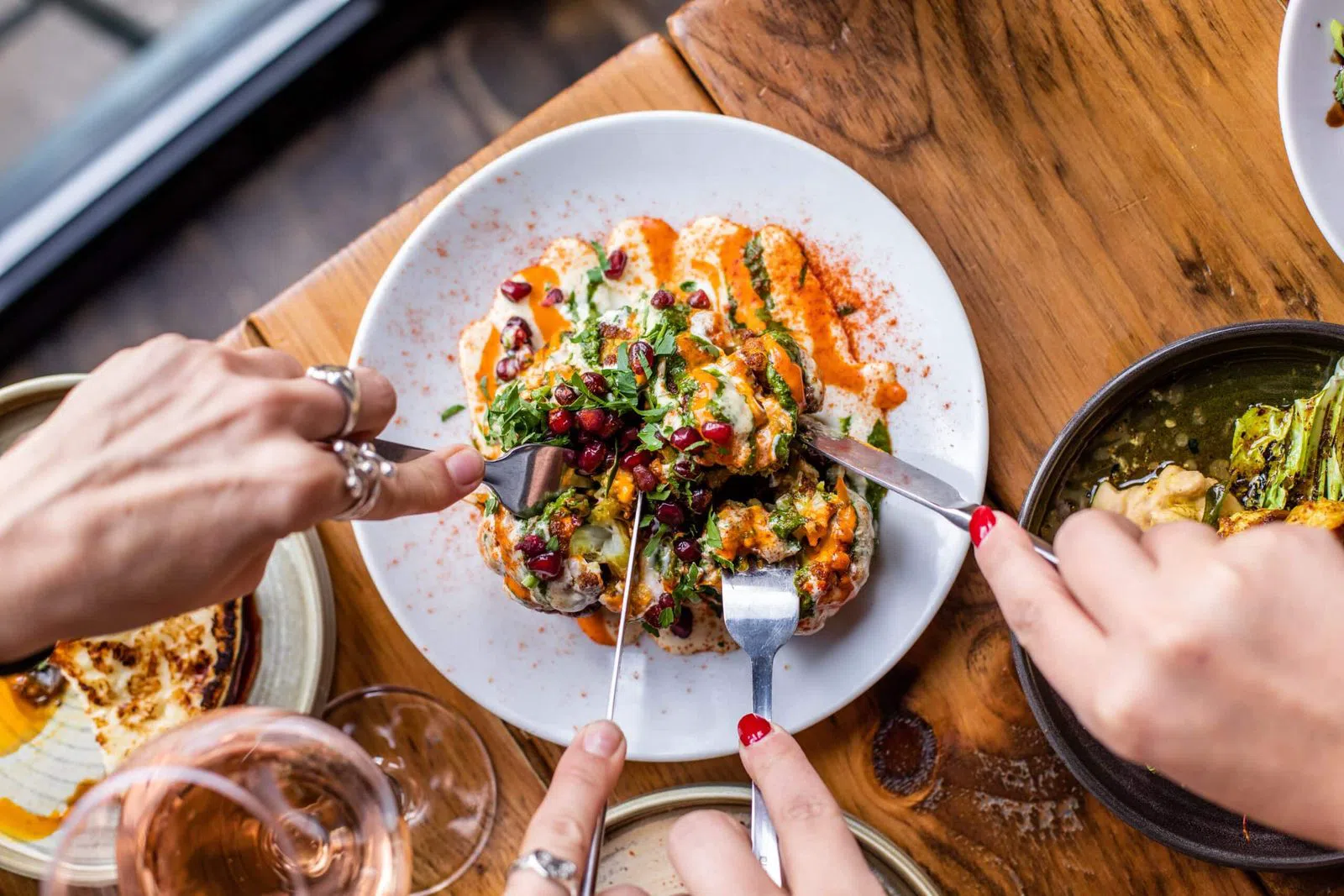
Maray (Bold Street, city centre) is the easy win: Middle Eastern-leaning small plates, largely plant-based and mostly adaptable for gluten-free, at £8–16 a plate or three plates for £12.50 at lunch. It takes bookings and the sharing format suits six to eight. The Bold Street room is intimate, so a bigger party is better served at the Albert Dock or Allerton Road sites. Ask when you book rather than turning up eight-strong on Bold Street on a Saturday.
If the weekend needs one proper dinner, it is The Art School Restaurant (Sugnall Street, Georgian Quarter). Paul Askew's Michelin-recommended room is over a decade in and still the city's benchmark, with tasting menus at £75–120 and a cheaper set lunch. Reservations are essential; there is private dining and a downstairs Cellars space for groups, and the kitchen handles dietary requirements seriously rather than grudgingly. It is not somewhere to arrive loud and eleven-strong without a booking, and the staff will be polite about telling you so.

Sunday, before the train
The Cavern Club (Mathew Street, city centre) is the obvious Sunday fill and worth being clear-eyed about. The room you walk into is a reconstruction; the original cellar was demolished and rebuilt in the 1980s close to the same spot. It works as a music venue rather than a museum piece, with live sets from 11:00 and five a day, every day, at £6 on the door or £8.50 for an all-day pass. Entry is pay-on-the-door with no reservations, so a group gets in as individuals rather than as a party, and under-18s must leave by 20:00. At that price nobody minds if it turns out not to be their thing, which is exactly why it works as the hour before a train. For everything beyond a football weekend, including the waterfront, the galleries and the districts this piece skips, start with the Liverpool guide.
Getting around, paying and timing it
Anfield is not on the underground network. From the city centre it is a 20–30 minute bus along the main road corridors, roughly 45–50 minutes on foot, or a taxi that is quick two hours before kick-off and useless twenty minutes before it. After the final whistle, walk fifteen minutes away from the ground before you order a car, because nothing moves in the streets immediately around it. Buses and trains take contactless; a few of the older Anfield pubs still prefer cash at a busy bar, so carry £20 in notes rather than assuming.
On timing, work backwards from kick-off, not forwards from breakfast. Pubs on the hill fill three hours out on the big fixtures, Homebaked's queue peaks around 12:30, and the stadium tour needs its own clear half-day on the non-match date. Budget-wise, a realistic weekend for one person outside the room rate is about £120–170: tour £24, four or five pints at £5–7, pies and a pub lunch under £25, one sit-down dinner at £25–40 unless you take the tasting menu, and a Saturday-night activity at £11–16. A centre hotel room adds £110–250 a night, and considerably more in the weeks either side of a marquee fixture. Book the room and the tour first, in that order; everything else in this city can be sorted on the day.
Before you go
How far ahead should I book the Anfield stadium tour?
Months, if the weekend is built around a big fixture. Tickets go by timed slot and the Matchday Tour sells out first, so put the standard Stadium Tour and museum (£24 adult, £12.50 for the museum alone) on the non-match day and book the whole party onto one slot. If you have not pre-booked, you pay more.
Which pub near Anfield takes away fans?
The Arkles on Anfield Road is the recognised away-supporters' pub and the easiest on travelling groups, with seats, pub food and pints at £5 to £6. It takes no reservations and fills fast, and on big fixtures you can be asked to show proof of a ticket.
Can a group of eight book a table near the ground before kick-off?
Only at Cabbage Hall Bar & Grill on Lower Breck Road, which takes bookings, has a function room and does a cooked breakfast from about £8. The Sandon sells pre-booked matchday packages. The King Harry and Homebaked are walk-in only, though Homebaked will take a phone order for pies to collect.
Is Anfield accessible if someone in the group cannot manage stairs?
Partly. The Upper Anfield Road areas are stairs only, with no lift, so flag access needs when you book the tour rather than on the day. The route can be adjusted in advance, but not at the turnstile.
How do I get from Liverpool city centre to Anfield on a matchday?
Buses take 20 to 30 minutes and it is a 45 to 50 minute walk. Taxis are fine three hours out and hopeless in the last half hour before kick-off; afterwards, walk ten to fifteen minutes clear of the ground before ordering a car. Transport is contactless, but carry some cash for the older pubs.